AC Maintenance Checklist: Keep Your Cooling System Running All Summer
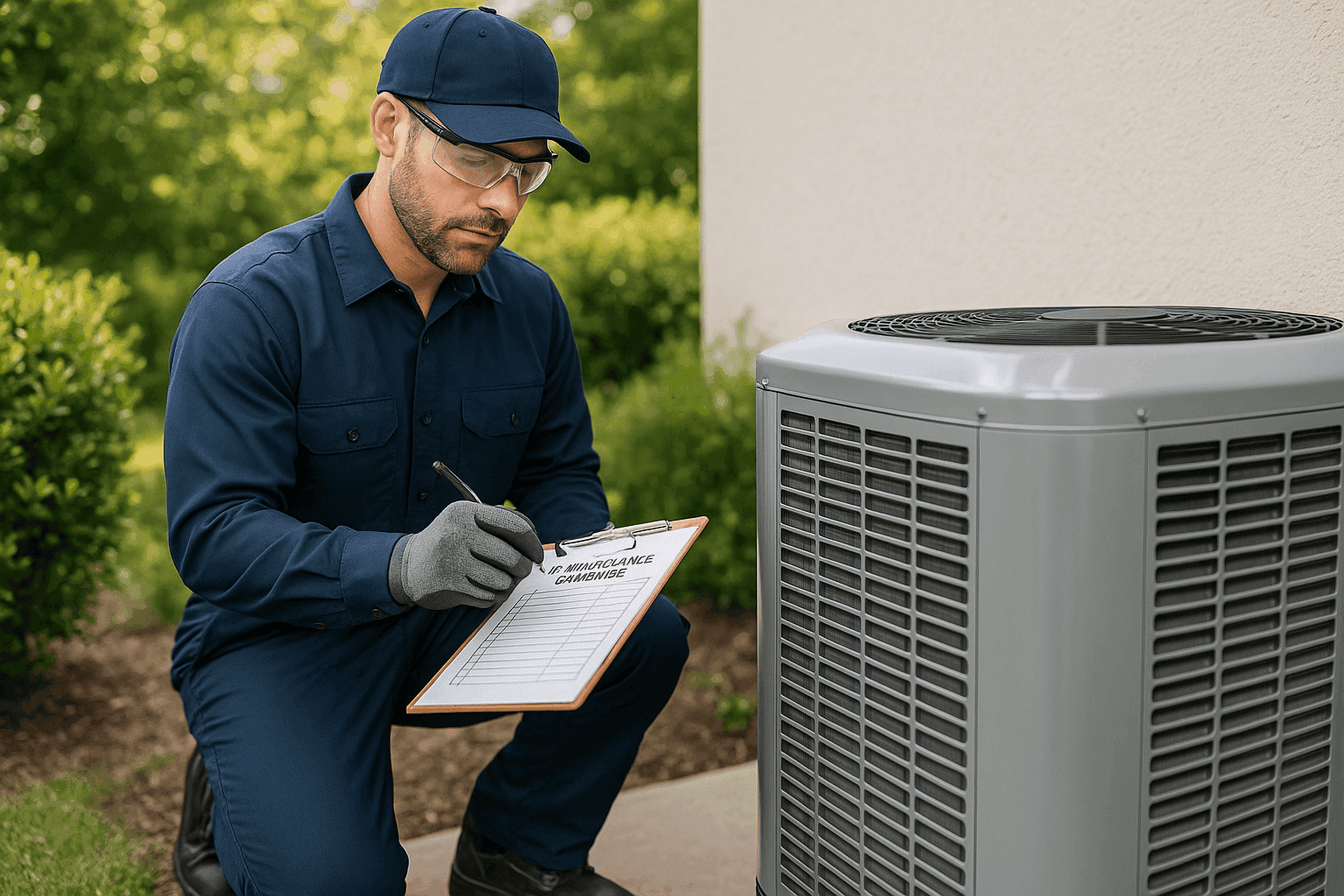
Is your air conditioner ready for the hottest months ahead? If you’re like most homeowners or business managers, you know the sinking feeling of a sweltering day paired with a silent, unresponsive AC. At Mavi HVAC, we’ve seen it all—from sticky summer breakdowns to hidden filter issues that quietly raise your energy bills.
A little preparation goes a long way. Regular AC maintenance isn’t just about comfort. It’s about air quality, efficiency, and keeping costly emergencies at bay. Whether you manage a busy office or want peace of mind at home, this checklist is for you.
Pre-Season Inspection: Start Strong 🛠️
Before the first heatwave hits, take time to prep your cooling system. Think of it like tuning up your car before a long road trip. Early checks can save you from sweating it out later.
Homeowner & Business Pre-Season Checklist
- Power Off First: Always turn off power at the breaker before touching your AC.
- Clear Debris: Remove leaves, grass, or branches around the outdoor condenser.
- Inspect Panels: Make sure all access panels are secure and undamaged.
- Check Thermostat Settings: Test both cooling and fan modes. Consider upgrading to a programmable or smart thermostat for more control.
- Change the Filter: Dirty filters strain your system and reduce air quality. Swap them out now—then check monthly.
- Look for Leaks: Examine visible refrigerant lines for oily spots or wear.
- Listen Up: Turn the system on and listen for unusual rattles, buzzes, or grinding.
- Test Airflow: Confirm strong, even airflow from all vents.
Why This Matters
A smooth start helps prevent mid-season surprises. The U.S. Department of Energy says regular maintenance can reduce AC energy use by 15% or more. That means lower bills and a more reliable system.
Need help with any of these steps? Our AC maintenance pros are just a call away.
During-Season Maintenance: Stay Cool, Stay Efficient 🌬️
Summer’s in full swing. Now’s the time for quick habits that keep your AC humming and your indoor air fresh.
In-Season Checklist
- Monitor Filters: Check every 30 days—replace or clean as needed, especially during high pollen or dust periods. See filters service for details.
- Keep Vents Clear: Don’t block supply or return vents with furniture, rugs, or boxes.
- Check Drain Lines: A clogged condensate drain can cause leaks or water damage—flush with a cup of vinegar every few months.
- Inspect Outdoor Unit: After storms, clear debris and trim any encroaching plants to allow airflow.
- Listen for Changes: Unusual noises, weak airflow, or new odors can signal trouble.
For Businesses
- Review Schedules: Set reminders for building maintenance teams to check rooftop units or split systems.
- Check Thermostat Settings: Adjust for occupancy and peak hours to save energy.
- Monitor Humidity: High humidity means your AC works harder. Consider Dehumidifiers near you to lighten the load.
Routine habits like these extend the life of your HVAC system and keep indoor air quality healthy.
Troubleshooting Common Issues
Even with good habits, things can go wrong. Here’s what to watch for—and when to call Mavi HVAC.
Common AC Problems & Quick Checks
- AC Won’t Turn On: Check the circuit breaker and thermostat batteries before calling.
- Warm Air from Vents: Make sure the thermostat is set to “cool” and the filter isn’t clogged.
- Strange Smells or Noises: Musty odors often signal mold in ducts or drain pans. Buzzing or grinding? Shut down the unit and call for service.
- Poor Airflow: Clean or replace filters. If that doesn’t help, ducts may be blocked or need cleaning.
- Short Cycling: If your AC turns on and off rapidly, it could be a thermostat or electrical issue.
- Water Leaks: Check for a clogged drain line; persistent leaks need professional attention.
When to Call a Pro
If the fix isn’t quick or safe, it’s time for professional help. Electrical issues, refrigerant leaks, or anything beyond basic cleaning should always be handled by certified technicians.
The Power of Professional Tune-Ups
You can do a lot on your own, but some jobs need a trained eye and the right tools. Think of a professional AC tune-up like a health checkup—it spots small issues before they become big problems.
What a Pro Does During a Visit
- Check Refrigerant Levels: Too much or too little affects cooling and energy bills.
- Test System Controls: Make sure your unit starts, runs, and shuts off properly.
- Clean Coils and Blower: Dirty coils reduce efficiency, while a clean blower improves airflow.
- Inspect Electrical Connections: Loose or worn wires are a safety risk.
- Calibrate the Thermostat: Ensures your system responds accurately.
- Check Ductwork: Leaks or blockages waste energy and reduce comfort.
- Evaluate Indoor Air Quality: Recommend solutions like air scrubbers or advanced filters if needed.
In line with ASHRAE and EPA recommendations, scheduling annual maintenance is the gold standard for both homes and businesses.
Extending AC Life: Prevention & Maintenance
Want your AC to last? It’s about more than just repairs. Prevention is the secret weapon.
- Replace Filters Regularly: This is the single easiest way to prevent breakdowns and improve indoor air quality.
- Seal Air Leaks: Door and window gaps force your AC to work harder. Weatherstrip or caulk as needed.
- Use Ceiling Fans: They let you raise the thermostat a few degrees without sacrificing comfort.
- Shade Outdoor Units: Plant shrubs or install awnings (with space for airflow) to reduce strain.
- Schedule Annual AC Maintenance: One visit a year protects your investment.
Costs & Time Factors
How much time and money should you plan for AC maintenance? Let’s break it down.
- Filter Replacement: Most homeowners can do this in 5 minutes; filters cost a few dollars to $30+ depending on type.
- Annual Professional Tune-Up: Typically takes 1–2 hours. Cost varies by system size and condition.
- Repairs: Minor issues (like thermostat swaps or capacitor replacements) are quick. Bigger fixes (compressors, coils) take longer and cost more.
Remember, regular maintenance is less expensive than emergency repairs or early system replacement. Energy savings often cover much of the annual cost.
When It’s an Emergency
Sometimes, you can’t wait. If you notice:
- Burning smells
- Loud electrical noises
- Signs of a refrigerant leak (hissing, ice on lines)
- Complete loss of cooling during extreme heat
Shut down the system and call for 24-hour emergency HVAC service. Safety first—especially in commercial settings or homes with vulnerable occupants.
FAQ
How often should I change my AC filter?
Most systems need a new filter every 1–3 months. If you have pets or allergies, check monthly. For businesses, follow manufacturer or building code guidelines.
Why does my AC smell musty?
It’s usually mold or mildew in the drain pan, ducts, or filter. Change the filter and clean the drain line. If the smell persists, call a pro for duct cleaning or IAQ testing.
Are programmable thermostats worth it?
Absolutely. They help manage cooling, save energy, and reduce wear on your system. Upgrades can often pay for themselves in a single season.
Do I really need annual professional maintenance?
Yes. Even the best DIYers can miss hidden issues. A yearly visit keeps your system efficient and catches problems early.
Local and Seasonal Considerations
Climate and usage matter. In humid regions, consider extra maintenance for drain lines and dehumidifiers. After major storms or heavy pollen, check and clean outdoor units right away.
If you own a business, set a schedule for rooftop unit checks and filter replacements. Seasonal reminders help prevent downtime when you need cooling most.
Ready for a Cool, Worry-Free Summer?
Whether you manage a commercial space or your own home, a proactive approach to AC maintenance pays off. Better comfort. Lower costs. Fewer surprises.
For a thorough tune-up, filter changes, or 24-hour emergency service, reach out to Mavi HVAC.
Call Mavi HVAC now — or reach us anytime at 844-448-3453 .