Ultimate Guide to Dehumidifiers: Benefits, Types, and Maintenance Tips
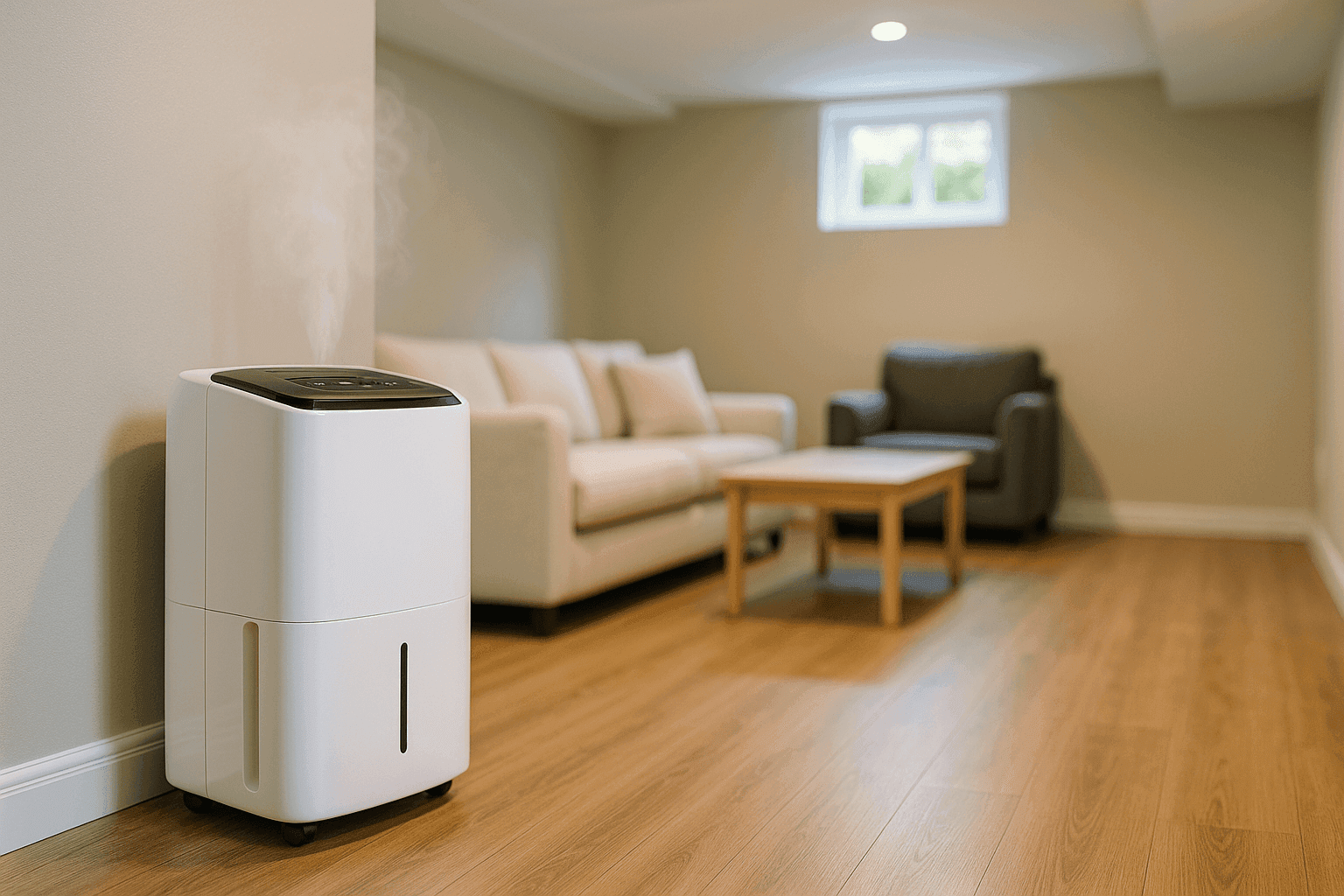
Humidity sneaks into our spaces like an unwelcome houseguest. You might not see it, but you’ll feel its effects. From clammy skin to musty smells, too much moisture indoors can quietly damage comfort, health, and even your property.
At Mavi HVAC, we’ve spent years helping homeowners and businesses keep their air balanced. If you’re wondering whether a dehumidifier belongs in your home or office, or how to keep yours running at its best, you’re in the right place.
Why Use a Dehumidifier? 🌧️
Imagine humidity as invisible rain. Every day, it pools in your basement, steams up your bathroom, or clings to your kitchen walls. Left unchecked, all that moisture can turn a fresh space into a breeding ground for trouble:
- Mold and Mildew: Persistent dampness feeds spores, which can trigger allergies and respiratory issues.
- Dust Mites: These pests love moist environments and can worsen asthma.
- Structural Damage: Over time, excess moisture warps wood, peels paint, and corrodes electronics.
- Unpleasant Odors: Musty smells are a common sign of too much humidity.
According to the U.S. Environmental Protection Agency (EPA), keeping indoor humidity between 30% and 50% is ideal for comfort and health. Dehumidifiers are the workhorses that help you hit that sweet spot, improving your indoor air quality and making your HVAC system’s job easier.
Types of Dehumidifiers
Not all dehumidifiers are created equal. Choosing the right type can feel like picking the right tool from a crowded toolbox. Here’s what you need to know:
Portable Dehumidifiers
These units are like flexible freelancers—easy to move and suitable for single rooms or small spaces. Plug them in where you notice dampness, and they’ll quietly pull moisture from the air.
Whole-House Dehumidifiers
Think of these as the central command. Installed directly into your home’s HVAC system, they control humidity across your entire house. They’re more efficient for larger spaces and work seamlessly in the background.
Commercial/Industrial Dehumidifiers
For businesses, warehouses, or facilities with serious moisture challenges, these heavy-duty units are the answer. They’re built to handle large volumes and tough environments.
Desiccant Dehumidifiers
Instead of cooling coils, these use special drying materials (desiccants) to soak up water from the air. They’re great for lower temperatures where traditional models struggle.
No matter the type, certified ENERGY STAR® dehumidifiers help cut energy costs and reduce environmental impact. Look for models tested and listed by recognized programs like AHAM (Association of Home Appliance Manufacturers) for performance you can count on.
Maintenance and Care
A dehumidifier is like a trusty sponge—effective, but only if you wring it out and keep it clean. Regular maintenance not only keeps your unit running smoothly, but also protects your indoor air quality and extends the lifespan of your investment.
Signs of Excessive Humidity
Before diving into upkeep, know what to watch for:
- Windows fog up or have condensation.
- Musty or earthy smells.
- Mold spots on walls or ceilings.
- Peeling paint or wallpaper.
- Creaky, swollen doors or floors.
If any of these sound familiar, it’s time to take action.
Regular Upkeep Checklist
- Empty the Water Reservoir: If your model doesn’t drain automatically, empty and rinse the tank daily or as needed.
- Clean the Filter: Check and rinse or replace filters every 2–4 weeks, or as recommended by the manufacturer.
- Wipe Down Coils and Grilles: Dust and dirt block airflow. Gently clean with a soft, damp cloth monthly.
- Inspect the Drain Hose: For units with a hose, ensure it’s not kinked or clogged.
- Check Humidistat Settings: Make sure your target humidity is set between 30–50%.
- Test for Leaks: Look for water pooling around the unit or signs of mold growth nearby.
Pro Maintenance
For peace of mind, schedule yearly HVAC maintenance with a licensed technician. They’ll check refrigerant levels, inspect electrical connections, and ensure your dehumidifier is calibrated for maximum efficiency.
Best Practices & Standards
- Follow the manufacturer’s manual for cleaning and part replacement.
- Only use certified replacement filters.
- Always unplug the unit before cleaning.
- Install in a space with good airflow and away from heat sources.
- For built-in or whole-house models, periodic indoor air quality testing is recommended by the EPA and ASHRAE (American Society of Heating, Refrigerating and Air-Conditioning Engineers).
When to Call a Professional
DIY care covers the basics, but sometimes it’s smart to let a pro handle the heavy lifting:
- Unit won’t power on or cycles erratically.
- Unusual noises, burning smells, or leaks.
- Persistent high humidity despite regular use.
- Visible mold growth on or around the unit.
A certified HVAC technician can diagnose deeper issues, repair electrical or refrigerant problems, and recommend upgrades if your current system isn’t keeping up.
FAQs
How do I know what size dehumidifier I need?
Measure the square footage of the space and check for moisture levels. Manufacturers provide sizing charts, but for whole-house or tricky spaces, a professional assessment is best.
Can I run my dehumidifier all year?
Yes—especially in climates where humidity is a year-round problem. Just keep up with cleaning and filter changes to prevent performance dips.
Is a dehumidifier noisy?
Modern portable and whole-house models are engineered for quiet operation, but some noise is normal. If you notice rattling or grinding, it may be time for maintenance.
Will a dehumidifier help with allergies?
Absolutely. By reducing moisture, you limit mold, mildew, and dust mites, which are known triggers for allergies and asthma.
Local & Seasonal Tips
Humidity isn’t just a summer problem. Basements and crawlspaces can stay damp year-round. In colder months, watch for condensation near windows or on pipes. For businesses, high-traffic areas and storage rooms may need extra attention regardless of the season.
If you’re searching for "dehumidifiers near you," consider both capacity and features for your local climate. Smart controls, auto-defrost, and programmable timers can make a real difference in performance and energy savings.
Ready to breathe easier? Call Mavi HVAC now — or reach us anytime at 844-448-3453 . Let’s make your space comfortable, healthy, and worry-free.