AC Repair Troubleshooting: When to DIY and When to Call a Pro
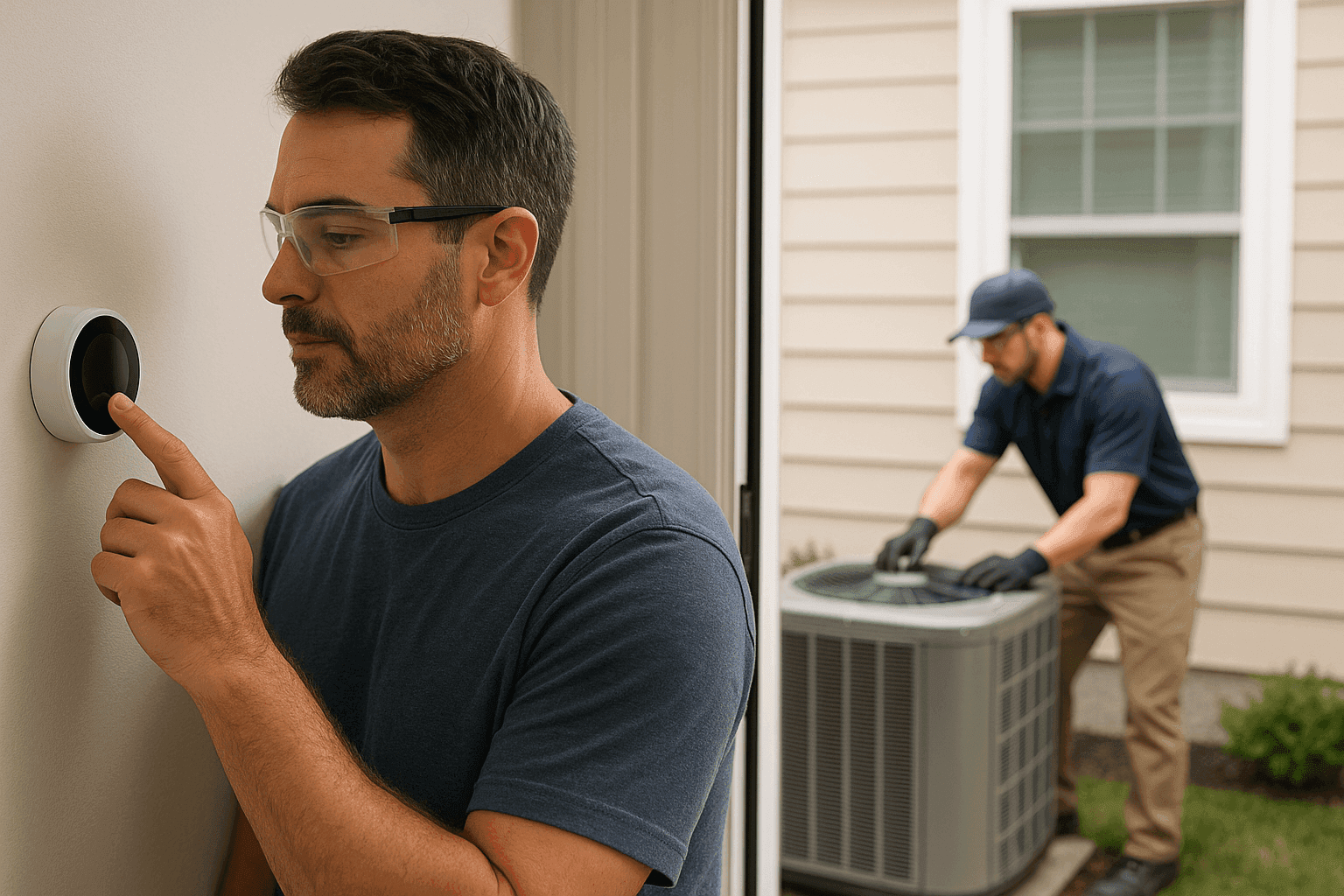
Is your air conditioner blowing warm air, making strange noises, or just refusing to turn on? You’re not alone. When the heat ramps up and your AC fails, it’s easy to feel frustrated—or even a bit panicked. At Mavi HVAC, we help homeowners and businesses find the right fix, fast. Let’s break down what you can handle yourself and when it’s time to call in a pro.
Common AC Issues You Can Fix 🧰
Some AC problems are like a loose shoelace—simple fixes you can handle with a little patience. Here’s where to start before reaching for the phone:
- Check the Thermostat: Make sure it’s set to “cool” and the temperature is lower than the current room temp. Sometimes, the setting gets bumped.
- Inspect Air Filters: Dirty filters are the #1 culprit in weak airflow. If your filter looks clogged, swap it out. It’s an easy way to help your system breathe.
- Breaker Panel: If the AC won’t turn on at all, check your home’s breaker box. Sometimes, a tripped breaker is all that stands between you and cool air.
- Outdoor Unit: Ensure nothing is blocking the outside condenser (like leaves or debris). Give it a gentle clean with a garden hose—never use high pressure.
- Vents & Returns: Walk through your space. Are vents open and unblocked by furniture or curtains? Closed vents can make rooms stuffy and force your system to work harder.
If you solve the problem here, you’ve saved yourself time and money. But if your AC still acts up, read on.
Warning Signs to Call a Professional
Some issues run deeper—like a leak in a garden hose hidden underground. If you spot these symptoms, it’s safest (and often required by building codes) to let a licensed HVAC technician step in:
- Refrigerant Leaks: If you see puddles near the indoor unit, or ice on the refrigerant lines, your system may be low on refrigerant. Handling these chemicals without certification is unsafe and illegal.
- Electrical Issues: Flickering lights, frequent breaker trips, or burning smells can signal serious wiring problems. These require specialized tools and training.
- Unusual Noises: Banging, screeching, or grinding noises may mean worn-out bearings or a motor on its last legs.
- Short Cycling: If your AC turns on and off in rapid bursts, it could be a failing compressor or thermostat—neither is a DIY fix.
- No Cooling Despite Everything: If you’ve checked filters, settings, and breakers, but your AC still blows warm air, something deeper is likely wrong.
Don’t risk your safety or equipment. Trained HVAC professionals at Mavi HVAC follow EPA guidelines and manufacturer protocols when handling refrigerants, electrical, and complex mechanical repairs.
Safety Tips for Homeowners
Before you touch anything, keep these safety basics in mind:
- Power Off: Always turn off the AC at the thermostat and breaker before inspecting or cleaning.
- Dry Hands: Water and electricity are a dangerous mix. Stay dry.
- Protective Gear: Wear gloves and safety glasses when replacing filters or cleaning outdoor units.
- No Forced Repairs: Don’t pry open sealed panels or tamper with wiring.
- Know When to Stop: If you’re unsure, step back. There’s no shame in calling for help!
The National Fire Protection Association (NFPA) and OSHA emphasize the importance of following proper lockout/tagout procedures. Your safety comes first.
DIY vs. Call a Pro: Where to Draw the Line
Think of your AC like a car engine. You might change the oil, but you wouldn’t rebuild the transmission unless you’re a trained mechanic.
DIY:
- Replacing air filters
- Resetting breakers
- Cleaning accessible vents and condenser fins
- Adjusting thermostat settings
Call a Pro:
- Refrigerant charging or leak repair
- Electrical diagnostics and repairs
- Motor, compressor, or capacitor replacement
- Advanced airflow balancing or ductwork fixes
- Control board or sensor troubleshooting
Not every hiccup means disaster—but the wrong move can turn a simple issue into a costly repair.
What Pros Do On Arrival
Wondering what happens when you call Mavi HVAC for AC repair? Here’s a quick walkthrough:
- Thorough Assessment: Technicians check the whole system: thermostat, electrical panels, refrigerant levels, airflow, and more.
- Diagnostic Tools: We use industry-grade gauges, meters, and sensors to pinpoint the problem—no guesswork.
- Code Compliance: All repairs follow manufacturer guidelines and local building codes for safety and efficiency.
- Clear Communication: Before any major repair, you’ll get an explanation of the problem and the next steps.
- Quality Parts: Replacement components meet or exceed original specs.
Prevention & Maintenance
An ounce of prevention beats a pound of repairs. Regular AC maintenance keeps your system running smoothly and can catch small problems before they become big headaches.
- Change filters every 1–3 months.
- Schedule professional tune-ups twice a year (spring and fall).
- Keep condenser and evaporator coils clean.
- Check for leaks and unusual noises regularly.
The U.S. Department of Energy recommends these steps for all residential and commercial systems, including those with air scrubbers, dehumidifiers, and advanced controls.
Costs & Time Factors
Every repair is unique, but here’s what to expect:
- DIY Fixes: Changing a filter or resetting a breaker takes minutes and costs just a few dollars.
- Professional Repairs: Most common AC repairs can be completed in 1–3 hours. More complex jobs (compressor or refrigerant work) may take longer.
- Parts & Labor: Factors like system age, part availability, and time of year can affect total costs.
- Emergency Service: After-hours or urgent calls may come with additional fees due to labor and parts sourcing needs.
When It’s an Emergency 🚨
Some situations can’t wait:
- No cooling during extreme heat (especially for children, elderly, or those with health concerns)
- Sparking, smoke, or burning smells
- Water leaks threatening electrical systems or property
- Repeated breaker trips
In these cases, shut down the system and call Mavi HVAC’s 24 Hour Emergency Service. Safety always comes first.
FAQ: Your AC Repair Questions Answered
Can I add refrigerant myself?
No. Only EPA-certified technicians can handle refrigerants safely and legally.
How often should I replace my AC filter?
Check monthly, replace at least every 1–3 months—or more often if you have pets or allergies.
Is it safe to run my AC with a dirty filter?
No. It can cause overheating and reduce air quality.
My AC is noisy—should I worry?
Sudden or loud noises mean something’s wrong. Call a pro to prevent further damage.
Local & Seasonal Considerations
If you live in a humid area or use dehumidifiers near you, your AC may work harder in summer. Heavy pollen or wildfire smoke? Replace filters more often. For commercial spaces, routine air balancing and IAQ testing can keep your system efficient and air clean.
Extreme winter? Schedule heating maintenance before the cold snap. Each season brings its own challenges—Mavi HVAC is equipped for all.
AC troubles don’t have to ruin your day. Whether it’s a simple fix or a tricky repair, Mavi HVAC is here to help you breathe easy.
Call Mavi HVAC now — or reach us anytime at 844-448-3453 .