Air Scrubbers: How They Work and When You Need One
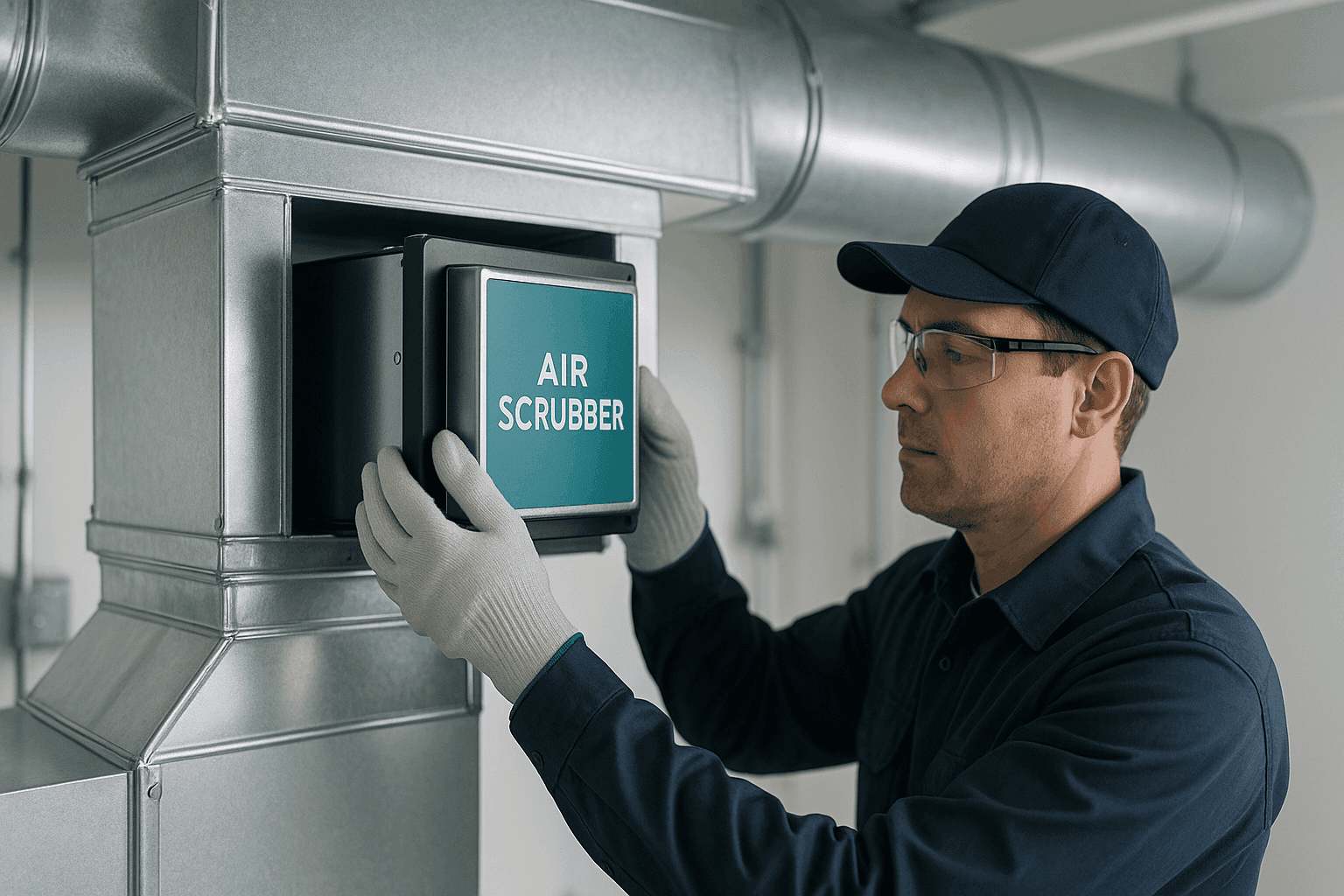
Is your indoor air as clean as it could be? Most folks don’t think about what’s in the air they breathe at home or work—until it starts causing headaches, allergies, or that musty smell that clings to everything. Air quality isn’t just about comfort; it’s about health. At Mavi HVAC, we see firsthand how quickly poor air can impact families and businesses.
If you’re hearing more about “air scrubbers” lately, you’re not alone. Let’s break down what they are, how they work, and when it’s time to consider one for your space.
What Are Air Scrubbers? 🌬️
Imagine your air conditioner or furnace is a river, and the air flowing through is water. Traditional filters are like fishing nets—they catch the big stuff, like dust and pet hair. Air scrubbers, on the other hand, are more like a specialized water treatment plant. They don’t just strain out debris; they actively neutralize, break down, and remove pollutants you can’t see.
Air scrubbers are devices installed directly into your hvac system’s ductwork. Unlike portable air purifiers, these work on the entire airflow—every room, every vent, all the time. They use advanced technologies to target:
- Airborne bacteria and viruses
- Mold spores
- Volatile organic compounds (VOCs) from paints, cleaners, and furniture
- Odors from cooking, pets, or smoke
- Fine dust and allergens
While filters are important, they’re often just step one. Air scrubbers take indoor air quality to the next level.
How Air Scrubbers Work
So, what’s the magic inside an air scrubber? It’s not magic—just smart science and engineering.
Most air scrubbers use a mix of filtration and active air cleaning. Here’s how the process typically works:
- Filtration: As air passes through your hvac ducts, it first hits the standard filter, catching larger particles.
- Active Air Purification: Inside the air scrubber, ultraviolet (UV) light, photocatalytic oxidation (PCO), or ionization technologies go to work. These processes:
- Break down odor molecules
- Neutralize bacteria and viruses by damaging their DNA
- Transform VOCs into harmless byproducts
Think of it like a tiny cleaning crew, working 24/7, scrubbing away what your eyes (and lungs) can’t detect.
Proven Effectiveness
According to studies published by the EPA and ASHRAE, certain air scrubber models can reduce airborne contaminants by up to 99% under controlled conditions. That means fewer germs circulating during cold and flu season, and less chance for allergen buildup. At Mavi HVAC, we only recommend units with proven, third-party test data and compliance with UL 2998 for ozone-free operation.
Who Should Consider an Air Scrubber?
Not everyone needs an air scrubber—but for some, it’s a game-changer. Wondering if it’s right for your home or business? Here are common reasons people make the switch:
- Asthma or Allergy Sufferers: If someone in your home struggles with breathing issues, an air scrubber can remove triggers that standard filters miss.
- Businesses with High Foot Traffic: Offices, gyms, salons, and restaurants benefit from lower germ and odor levels—especially during cold and flu season.
- Homes with Pets or Smokers: Scrubbers eliminate lingering pet dander and smoke smells that filters often leave behind.
- Renovation or New Construction: Dust, fumes, and VOCs spike after remodeling. Air scrubbers help clear the air fast.
- Concerned About Viruses: Some units are shown to reduce airborne pathogens, adding a layer of peace of mind.
If you’re not sure, an IAQ test can measure what’s really in your air—before you invest.
Air Scrubbers vs. Traditional Filters
Let’s clear up the biggest question: Why not just upgrade your filters?
- Filters trap particles based on size—great for dust, pollen, and hair. But they struggle with microscopic threats: bacteria, viruses, chemical vapors.
- Air Scrubbers go after the stuff filters miss. They also neutralize odors and break down volatile compounds.
Think of filters as the bouncer at the door. Air scrubbers? Security cameras and a cleanup crew, working behind the scenes.
When Filters Aren’t Enough
If you’re noticing strange smells, stubborn allergy symptoms, or just want cleaner air throughout your home or business, it may be time to consider an upgrade.
Installation: What to Expect
Air scrubbers are not plug-and-play gadgets. They’re installed by licensed hvac pros right into your central system’s ductwork—usually in less than a day. The process involves:
- Assessing your duct layout and system size
- Choosing the right model based on square footage and needs
- Ensuring everything meets local mechanical codes and manufacturer specs
Once installed, there’s minimal maintenance—often just a bulb or cartridge change every 1–2 years.
Tip: Always have installation done by a certified technician. Incorrect setup can reduce effectiveness or even damage your hvac system.
Practical Tips for Getting the Most Out of Your Air Scrubber
- Change your regular filters on schedule (every 1–3 months)
- Pair with a whole-home dehumidifier for added mold control
- Use exhaust fans during high-odor activities (cooking, painting)
- Schedule annual hvac maintenance to keep airflow optimal
When Is an Air Scrubber Worth the Investment?
An air scrubber isn’t a cure-all, but in the right situations, it can:
- Improve comfort for allergy and asthma sufferers
- Reduce sick days in offices and schools
- Help protect vulnerable family members or customers
- Cut down on lingering odors and airborne contaminants
If your current filters just aren’t cutting it, or you’re seeing more dust and sniffles than you’d like, it’s worth a conversation.
Frequently Asked Questions
Do air scrubbers produce ozone?
The best units are certified ozone-free (UL 2998). Always check before buying—ozone can irritate lungs, especially in children and older adults.
How do air scrubbers impact energy use?
Most models use about as much electricity as a lightbulb. They’re designed to run with your existing hvac airflow, so you won’t see much of a bump in your utility bill.
Will an air scrubber remove pet odors?
Yes! Air scrubbers are highly effective at neutralizing pet smells, smoke, and cooking odors that can linger even after deep cleaning.
How often do air scrubbers need maintenance?
Most require a service check and bulb or cartridge replacement every 12–24 months. Pair this with your routine hvac maintenance for best results.
Local and Seasonal Considerations
While air scrubbers work year-round, they’re especially valuable during allergy season or in areas with high humidity (mold risk). Fire season, renovations, or flu outbreaks are also prime times to boost your air cleaning power.
If you’re searching for “air scrubbers near you” or “Dehumidifiers near you,” Mavi HVAC has you covered with tailored solutions for both residential and commercial needs.
Ready to breathe easier? Call Mavi HVAC now — or reach us anytime at 844-448-3453 .