The Benefits of Regular Duct Cleaning for Allergy Sufferers
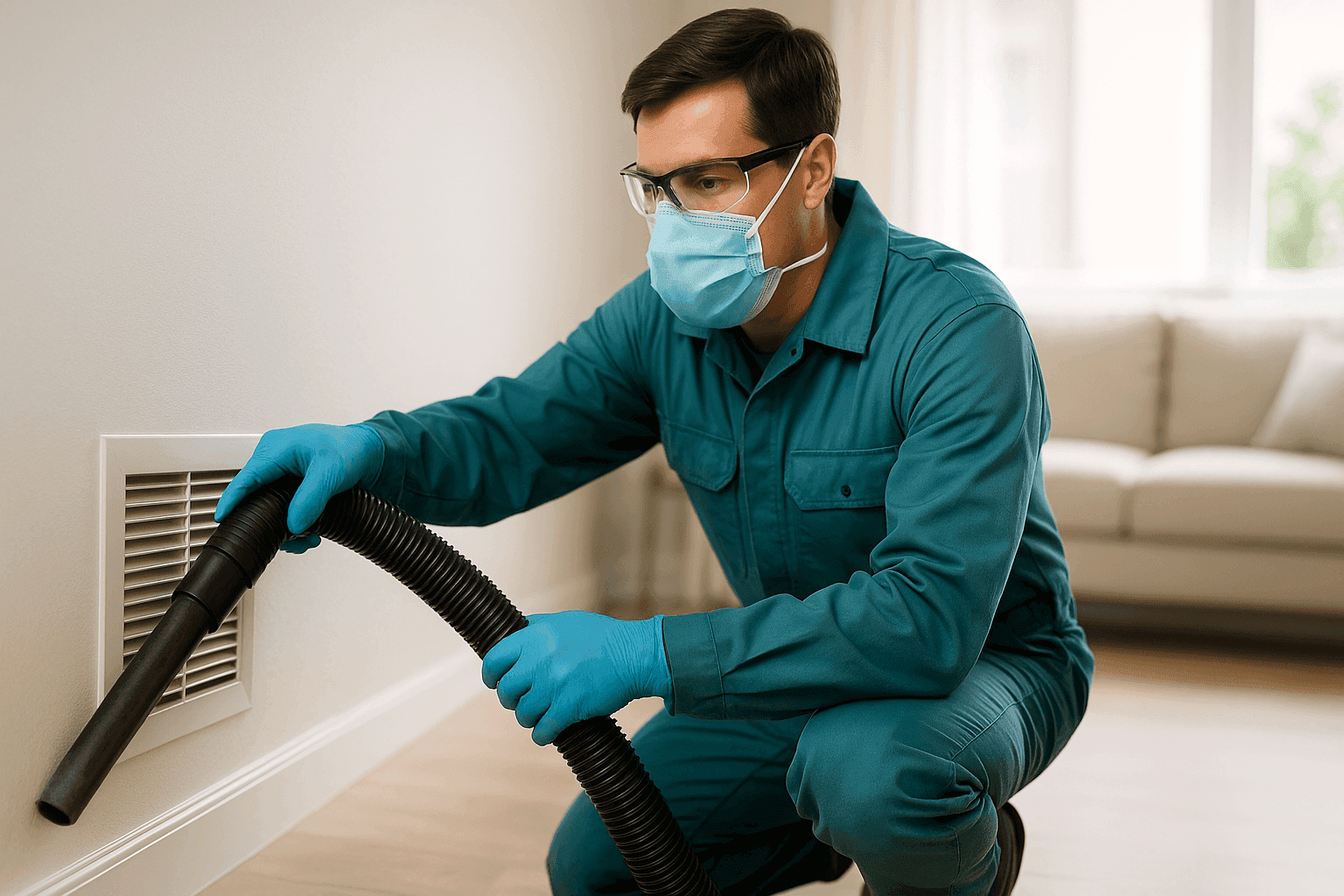
Is your home supposed to be a safe haven—but ends up making you sneeze, cough, or itch? You’re not alone. For allergy sufferers, even the cleanest-seeming house can hide triggers in the air. At Mavi HVAC, we see this every day. Invisible irritants build up in ductwork, making indoor air feel heavy and uncomfortable.
Let’s get to the root of why regular duct cleaning matters for your health—and how you can breathe easier all year round.
Allergies and Indoor Air 🌬️
Think of your home’s air as a river. If the riverbed is clean, water flows clear. But when leaves, twigs, and debris pile up, the current turns murky. This is what happens when dust, pollen, and pet dander collect in your HVAC system’s ducts.
The American Lung Association and the Environmental Protection Agency (EPA) both highlight how indoor air pollution can be two to five times higher than outdoor air. That’s especially true in tightly sealed homes and offices—where allergens swirl and recirculate with every cycle of the heater or AC.
Common Airborne Allergens
Allergens don’t knock on the door—they sneak in:
- Dust mites: Thrive in warm, humid air. Their droppings are a top trigger for sneezing and congestion.
- Pollen: Blown in through open doors and windows, then trapped in the ductwork.
- Pet dander: Tiny flakes from your furry friends’ skin and fur.
- Mold spores: Grow in damp ductwork or around poorly maintained filters.
If you or your loved ones are sensitive, these can turn comfort into misery fast.
How Ducts Affect Allergens
Imagine your ductwork as the lungs of your house or building. When those “lungs” get clogged, every breath carries a bit of the problem with it. Over time, particles settle on the duct walls and in crevices, waiting for the next HVAC cycle to send them airborne again.
Why Buildup Happens
- Filters miss the smallest particles: Even the best filters can’t catch everything. Over months, buildup is inevitable without regular service.
- Humidity and temperature changes: These can create the perfect breeding ground for mold and bacteria.
- Pets and foot traffic: More movement means more debris in the air—and the ducts.
Signs It’s Time for Duct Cleaning
If you notice:
- More sneezing or coughing indoors
- Visible dust puffing out of vents
- Musty or stale smells when the HVAC kicks on
- Worsening allergy symptoms with no other explanation
…it’s likely your ducts need attention.
When to Clean Your Ducts
How often is “regular”? The National Air Duct Cleaners Association (NADCA) recommends a thorough cleaning every 3–5 years for most homes and businesses. But if you have severe allergies, pets, or live in a dusty area, you may need it more frequently.
Factors that Affect Cleaning Frequency
- Local pollen counts: High? More frequent cleaning.
- Recent renovations: Construction dust can clog ducts fast.
- New pets: Dander spikes with each addition.
- Water damage or mold: Immediate cleaning and remediation is vital.
Pair regular duct cleaning with changing your filters every 1–3 months, and consider professional indoor air quality testing for peace of mind.
Practical Tips for Allergy Sufferers
- Vacuum and dust weekly: Use a HEPA filter on your vacuum.
- Keep windows closed during high pollen days: Especially if you’re running heating or air conditioning.
- Change HVAC filters regularly: Don’t let them become part of the problem.
- Use dehumidifiers near you: Lower humidity means fewer dust mites and mold spores.
Check guidelines from the Centers for Disease Control and Prevention (CDC) for tips on allergy management in indoor environments.
Why Professional Duct Cleaning Matters
Duct cleaning isn’t just running a vacuum. Certified HVAC pros use powerful tools to dislodge and remove buildup you can’t reach with standard equipment. They also inspect for leaks, mold, and signs your system needs maintenance.
The process is safe, thorough, and designed to protect sensitive respiratory systems. For allergy sufferers, it’s like hitting the reset button on your indoor air.
FAQ for Allergy Sufferers
Does duct cleaning really make a difference for allergies?
Yes—especially when paired with regular filter changes and humidity control. Studies and guidelines from the EPA show cleaner ducts reduce airborne irritants.
Are store-bought duct cleaning kits effective?
Not for deep cleaning. Professional equipment reaches further and removes more contaminants than DIY tools.
Can duct cleaning help with asthma, too?
Cleaner air is easier on everyone’s lungs. For asthma sufferers, reducing airborne triggers (like dust and mold) can make a big impact.
Breathe Easier—Year Round
Regular duct cleaning is a simple, science-backed way to make your home or business more comfortable for allergy sufferers. It’s not just about dust; it’s about relief, health, and peace of mind.
Ready to see—and feel—the difference?
Call Mavi HVAC now — or reach us anytime at 844-448-3453 .