Best Practices for HVAC Safety: Protecting Your Home and Family
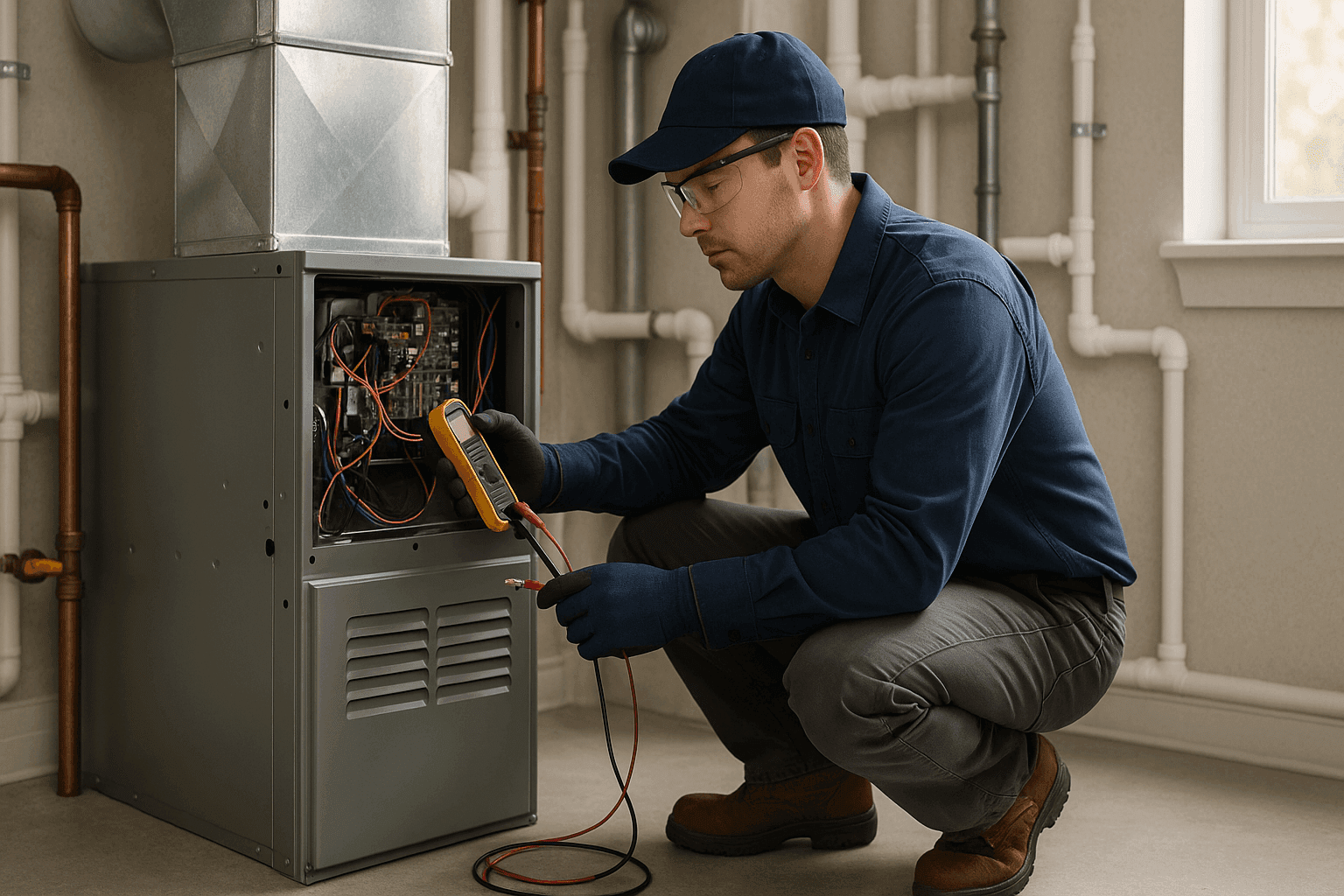
When you think about your home’s comfort, your HVAC system fades into the background—until something goes wrong. But did you know that the way you operate and care for your heating and cooling system can mean the difference between safety and disaster?
At Mavi HVAC, we know that safety isn’t just a checklist. It’s a mindset. Your family’s health, your property, and your peace of mind all depend on how safely your system is maintained.
Why HVAC Safety Matters 🏠
HVAC safety isn’t just about staying warm in winter or cool in summer. It’s about protecting your family from silent threats—like electrical issues, carbon monoxide leaks, and even fire hazards. Think of your HVAC as the heart and lungs of your home. If it’s not healthy, the whole house suffers.
Every year, incidents linked to HVAC malfunctions lead to property damage, injuries, and even worse. According to the National Fire Protection Association (NFPA), heating equipment is a leading cause of home fires. The U.S. Consumer Product Safety Commission highlights the risks of carbon monoxide poisoning from faulty furnaces and exhaust systems. And electrical malfunctions? They can happen in the blink of an eye.
Neglecting proper hvac maintenance doesn’t just hit your wallet—it puts everyone under your roof at risk.
Top Safety Tips for Homeowners
Staying safe doesn’t have to be complicated. Here are practical steps you can take right now:
- Change your filters regularly. Dirty filters restrict airflow, overwork your system, and can even cause overheating. Aim for every 1–3 months, or as recommended by your manufacturer. For the best results, use high-quality filters—find them on our filters service page.
- Install and test carbon monoxide detectors. Place them near sleeping areas and test monthly. Never ignore that beep.
- Keep vents and exhausts clear. Blocked vents can trap deadly gases inside.
- Don’t ignore weird smells or noises. A burning smell, gas odor, or rattling sounds mean it’s time to shut down the system and call a professional.
- Never block airflow. Avoid stacking boxes or furniture in front of vents or returns.
- Check for water leaks. Puddles near your furnace or AC can signal trouble.
- Schedule annual professional maintenance. Regular checkups catch problems before they escalate.
Electrical, Carbon Monoxide & Fire Hazards
Electrical Hazards
Your HVAC system draws serious power. Frayed wires, overloaded circuits, or DIY wiring jobs can spark electrical fires or shock hazards. If you notice flickering lights, tripped breakers, or buzzing from your unit, shut it off and get it checked.
Carbon Monoxide Dangers
Carbon monoxide is colorless, odorless, and lethal. Cracked heat exchangers, blocked chimneys, or poorly vented appliances are common culprits. Always ensure your system is properly vented and inspected annually. The CDC recommends checking detectors and scheduling regular service to prevent CO poisoning.
Fire Risks
Dust, lint, or debris inside your furnace or ducts can ignite if temperatures climb. Faulty parts or skipped maintenance also raise the danger. Clean filters, regular hvac maintenance, and prompt repair of odd smells or noises go a long way toward preventing disaster.
When to Call a Pro 🛠️
Some things you can handle. Others need a certified technician.
Call Mavi HVAC if you notice:
- Burning smells or smoke from your system
- Gas odors (leave the house and call emergency services first)
- Repeated tripped breakers or blown fuses
- Carbon monoxide detector alarms
- Loud banging, screeching, or hissing noises
- Water leaks you can’t explain
Certified technicians know building codes, manufacturer specs, and the safest way to handle repairs. Don’t risk your safety or your warranty by going it alone.
The Homeowner’s Quick Safety Checklist
- Change filters (every 1–3 months)
- Test CO and smoke detectors monthly
- Keep vents/exhausts clear
- Check for leaks, puddles, or rust
- Don’t block airflow around equipment
- Schedule yearly professional maintenance
DIY vs. Call a Pro
Some maintenance tasks are safe for homeowners:
- Swapping out filters
- Clearing debris from outdoor units
- Testing detectors
But for anything involving gas lines, wiring, refrigerant, or major disassembly—bring in a pro. HVAC techs use specialized tools, follow strict safety protocols, and know how to spot trouble before it starts.
What Pros Do On Arrival
When you call Mavi HVAC, here’s what our certified technicians focus on:
- Full safety inspection of electrical connections
- Checking for gas leaks or carbon monoxide hazards
- Examining heat exchangers and burners
- Clearing drain lines and condensate pans
- Verifying thermostat calibration
- Measuring airflow and system balance
- Recommending filter upgrades or IAQ enhancements
Our team follows the latest standards from OSHA, NFPA, and the Air Conditioning Contractors of America (ACCA).
Prevention & Maintenance
An ounce of prevention is worth a pound of cure—especially with HVAC safety. Here’s what to focus on:
- Annual tune-ups: Catch issues before they spiral.
- Duct cleaning: Removes dust, dander, and fire hazards.
- Filter replacements: Keeps air clean and equipment healthy.
- Monitor humidity: Proper use of humidifiers and dehumidifiers near you can prevent mold and allergy problems.
- Smart thermostat use: Prevents overheating and wasted energy.
Regular maintenance isn’t just about comfort. It’s about protecting what matters most.
Costs & Time Factors
- Filter changes: $10–$50 each, 5 minutes of your time.
- Professional tune-up: Takes 1–2 hours. Prices vary based on unit and condition.
- Emergency repairs: Can range in time and cost depending on complexity and time of day.
Investing in maintenance saves you from costly breakdowns and keeps your family safe.
When It’s an Emergency 🚨
If you smell gas, see smoke, or your carbon monoxide detector goes off—get everyone outside immediately. Don’t return until emergency crews or certified HVAC techs give the all-clear.
For sudden breakdowns, water leaks, or electrical issues, call our 24-hour emergency service. Day or night, we’re ready to help.
FAQ
Q: How often should I schedule HVAC maintenance?
A: At least once a year—ideally before peak heating or cooling season.
Q: Why does my furnace smell like burning dust?
A: It’s common at first startup after a long rest. If it lasts more than an hour or smells sharp, call a pro.
Q: Are portable heaters or humidifiers safer than whole-house systems?
A: Not always. Portable devices can tip, overheat, or leak. Whole-house systems installed by professionals are generally safer and more efficient.
Q: What’s the safest way to improve indoor air quality?
A: Use high-quality filters, schedule duct cleaning, and consider IAQ testing for your home.
Local & Seasonal Considerations
Winter brings increased furnace use and carbon monoxide risk. Summer heat stresses AC systems and can expose wiring or electrical weaknesses. In damp climates, dehumidifiers near you help control mold and moisture. Each season brings its own challenges—schedule maintenance to stay ahead.
Your family’s safety starts with a healthy HVAC system. Don’t wait for a problem to make you wish you’d acted sooner.
Call Mavi HVAC now — or reach us anytime at 844-448-3453 .