Commercial vs. Residential HVAC: Key Differences Every Buyer Should Know
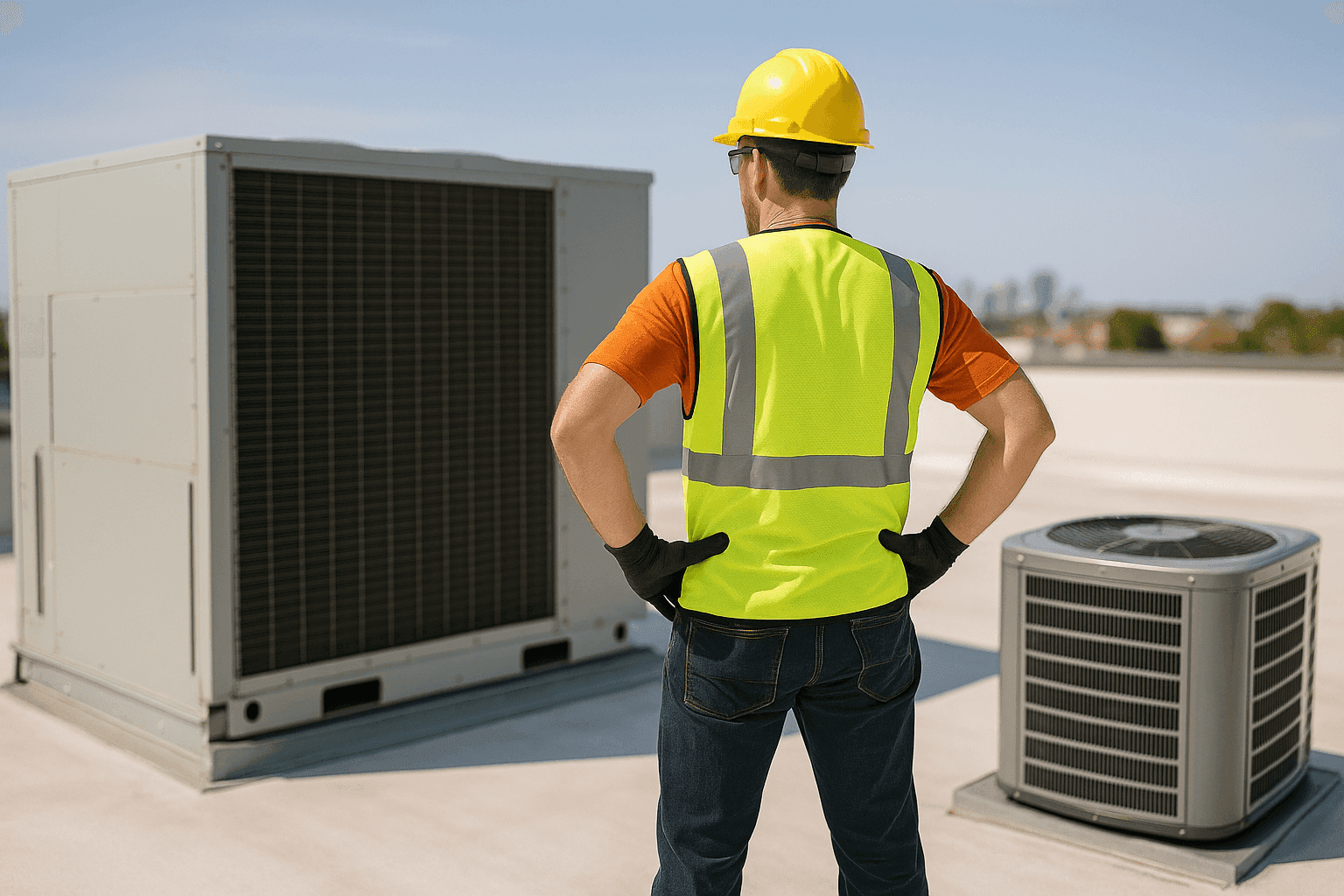
When it comes to HVAC, the stakes are high—whether you’re keeping your family cozy at home or creating a healthy, comfortable workplace. The right system can save money, improve air quality, and avoid those “why is it so hot in here?” moments.
But the path is different for every building. At Mavi HVAC, we’ve helped homeowners and business owners alike cut through the confusion. Let’s make sure you understand the essentials before your next investment.
How Commercial and Residential HVAC Differ 🏢🏠
It’s not just about size—though size matters, too. Think of residential and commercial HVAC like two very different vehicles: a compact car for quick trips around town, and a semi-truck built for heavy loads and long hauls.
Sizing & Capacity
- Homes usually need smaller HVAC units, sized for comfort and efficiency in a few rooms or floors.
- Businesses often require powerful, scalable systems to handle large spaces, higher ceilings, and greater occupancy. Think rooftop units, split systems, or even chillers.
A misstep in sizing means wasted energy or rooms that never quite feel right. The Air Conditioning Contractors of America (ACCA) provides guidelines for proper load calculations—something a certified installer should always follow.
Zoning & Layout
- Residential HVAC might have a single thermostat and basic ductwork.
- Commercial systems rely on complex zoning, with multiple thermostats and dampers controlling airflow to different areas. This is critical, especially in offices or multi-use spaces where one side might be packed with people and another nearly empty.
Controls & Automation
- Homeowners want simplicity: programmable thermostats or smart controls are usually enough.
- Commercial properties demand advanced building management systems (BMS), integrating HVAC with lighting, security, and more for real-time control and energy tracking.
Service Demands
- Residential repairs are often straightforward—think AC repair or furnace tune-ups.
- Commercial service is more demanding: rooftop access, heavy equipment, and strict code compliance. That’s why many property managers search for certified commercial HVAC installers who know local and national regulations.
What Buyers Must Consider
Before signing off on a new HVAC system, weigh these key factors:
- Purpose of the property: Is this a family home, a small business, or a large commercial facility?
- Occupancy & usage: More people and longer hours can mean bigger, more robust systems.
- Air quality needs: Consider Dehumidifiers, Humidifiers, and IAQ Testing for sensitive environments.
- Energy goals: Commercial buyers often prioritize efficiency—think Home Energy Audits, smart air balancing, and programmable controls.
- Expansion: Will you need to add capacity later? Commercial systems are often built for modular upgrades.
Small details matter. For example, a restaurant may need specialized Hood & Exhaust Installation, while a home may simply require a solid AC and furnace.
Maintenance and Longevity 🛠️
Great HVAC isn’t “set and forget.” Like any major investment, care keeps it running longer and better.
Maintenance Needs
- Residential Systems: Seasonal hvac maintenance like filter changes, coil cleaning, and simple thermostat checks go a long way.
- Commercial Systems: Expect a more in-depth schedule: Duct Cleaning, Air Balancing, and regular inspections of rooftop units, generators, and exhaust fans.
Neglect can mean higher utility bills, poor air quality, or even system breakdowns at the worst moment.
Longevity
- Home systems can last 10–15 years with proper care.
- Commercial equipment can run longer but demands stricter adherence to manufacturer and code guidelines—such as those from ASHRAE or the U.S. Department of Energy.
Certified commercial installers aren’t just a nice-to-have—they’re essential. A misstep can lead to costly downtime or even safety issues.
Practical Tips for Every Buyer
- Always use certified installers for both home and business jobs.
- For businesses, ask about modular upgrades and advanced controls from the start.
- Schedule annual maintenance—don’t wait for a breakdown.
- Consider IAQ Testing and Air Scrubbers if occupants have allergies or health concerns.
- Use local resources and follow code—like the International Mechanical Code (IMC) or NFPA for generator setups.
Frequently Asked Questions
How do I know if my property needs a commercial system?
If you have large open spaces, multiple floors, or serve many people daily, a commercial system is likely needed. When in doubt, request a professional assessment.
Is it more expensive to maintain commercial HVAC?
Generally, yes. Commercial systems require more frequent and thorough checks, but this investment protects property value and keeps tenants or employees comfortable.
Can I install a residential system in a small business?
Sometimes—but it depends on space, occupancy, and code requirements. Restaurants, medical offices, and retail spaces usually benefit from dedicated commercial setups.
What about indoor air quality?
Both homes and businesses can benefit from Dehumidifiers, Humidifiers, and advanced filtration. Ask your installer what options are best for your property and health needs.
Local and Seasonal Considerations 🌦️
Climate and local codes shape every installation. For example, high humidity? Dehumidifiers near you become essential. Harsh winters? Radiant Heating or Furnace Installation may top your list. Always check seasonal demands and consult local code officials or the EPA’s HVAC guidelines before making a decision.
Ready to upgrade your comfort—at home or work? Call Mavi HVAC now — or reach us anytime at 844-448-3453 .