The Complete Guide to HVAC Filters: Types, Replacement, and Air Quality
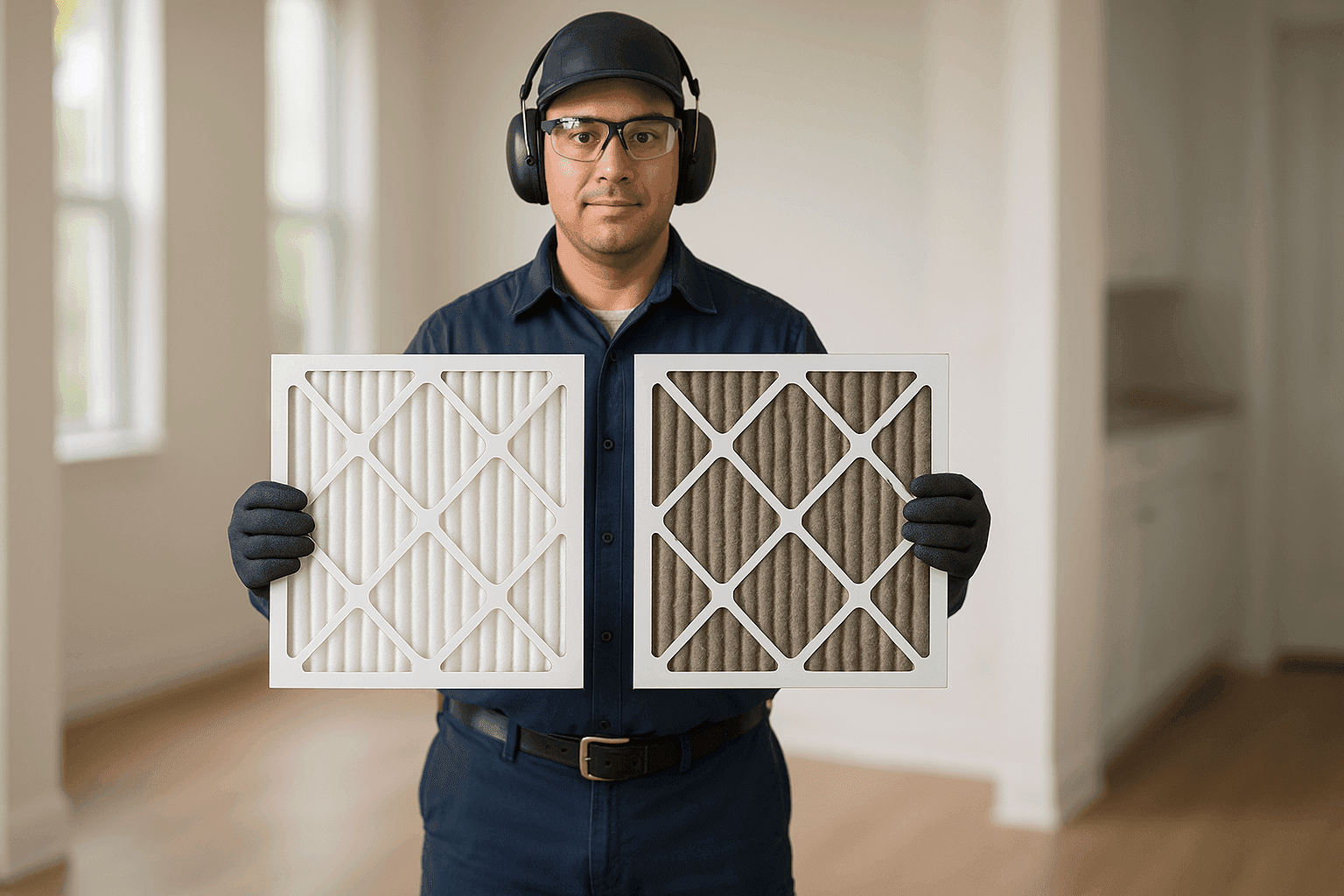
Do you remember the last time you changed your HVAC filter? If you had to pause and think, you’re not alone. Most people forget this simple step—until the dust piles up, allergies flare, or the system starts wheezing like an old accordion.
Clean air at home or work isn’t a luxury. It’s as important as fresh water or a sturdy roof. At Mavi HVAC, we know a filter's job is more than trapping dust. It's the front line for your lungs and your heating and cooling system’s health.
HVAC Filter Types Explained 🏠
Choosing a filter can feel like picking cereal in a massive aisle. There are boxes and brands everywhere, each promising something different. Let's break down the main types you’ll see in homes and businesses:
Fiberglass Filters
These are the basic, blue panel types. Think of them as the screen door of filters—they’ll keep out big bugs (dust and lint), but not much else. They’re inexpensive and need frequent changing. Not the top pick for allergy sufferers.
Pleated Filters
A step up, pleated filters look like folded paper fans. More surface area means they can snag smaller particles: pollen, pet dander, even some mold spores. They’re a solid choice for most homes and offices.
Electrostatic Filters
These use static electricity—yes, like that zap you get on a dry day—to attract particles. Some are washable, which saves money and waste. They’re effective for dust and allergens, but may not catch everything.
HEPA Filters
HEPA stands for High Efficiency Particulate Air. Imagine a net so fine it catches nearly everything, down to tiny particles like smoke and bacteria. Popular in hospitals and clean rooms, but not all HVAC systems can handle them due to their density. Always check manufacturer guidelines before installing.
Activated Carbon Filters
These are the odor-busters. They trap smells, gases, and some chemicals. Often used with other filters for maximum effect. Great for households with pets, smoke, or cooking odors.
Washable/Reusable Filters
Eco-friendly and cost-saving over time, but they must be cleaned regularly. Miss a cleaning, and they can become a problem rather than a solution.
Comparing Filter Ratings: MERV, HEPA, and More
- MERV (Minimum Efficiency Reporting Value): This scale runs from 1–20. Most residential systems use filters rated 8–13. The higher the number, the smaller the particles it catches.
- HEPA: Equivalent to MERV 17+. Captures 99.97% of particles 0.3 microns and larger. Not always compatible with standard HVAC units.
- Manufacturer’s Recommendations: Always check your HVAC manual or the sticker on your unit. Using the wrong filter can choke airflow, making the system work harder and costing you more.
When and How to Change Filters
Changing your filter is like brushing your teeth. It’s a small habit with big rewards.
How Often Should You Change Your Filter?
- Fiberglass filters: Every 30 days.
- Pleated filters: Every 60–90 days.
- Pets or allergies? Change every 20–45 days.
- Commercial spaces: More frequent changes, depending on usage and occupancy.
If you run Dehumidifiers near you, or live in a high-dust area, check monthly.
Signs It’s Time for a New Filter
- Dust builds up quickly on vents.
- Musty smells linger.
- Allergy symptoms spike.
- HVAC system sounds strained or cycles more often.
Step-by-Step: How to Replace Your Filter
- Turn off the HVAC unit.
- Locate the filter slot—usually behind a vent grille or inside the air handler.
- Slide out the old filter. Take note of the airflow direction arrow.
- Insert the new filter with the arrow pointing toward the blower motor.
- Turn the system back on and set a reminder for next time.
Tip: Write the date on the filter edge before installing. No more guesswork!
Filters and Air Quality
Think of your HVAC filter as the goalie for your indoor air. It stops dust, pollen, and even some germs from circulating. But its impact goes beyond clean vents.
Health Benefits: What the Experts Say
According to the U.S. Environmental Protection Agency (EPA), indoor air pollution can be two to five times worse than outdoor air. A good filter reduces airborne irritants that trigger asthma, allergies, and other health issues.
The American Lung Association recommends upgrading to the highest efficiency filter your system allows. It’s a simple step with lasting effects for your family or employees.
Filters vs. Airborne Threats
- Dust & Dander: Caught by pleated and electrostatic filters.
- Pollen & Mold: Higher MERV ratings or HEPA filters work best.
- Smoke & Odors: Activated carbon is your ally.
- Viruses & Bacteria: Only top-tier filters (HEPA or hospital-grade) are effective, and not all systems can use them.
Filters: System Lifespan and Efficiency
A dirty filter is like running with a sock in your mouth. Your HVAC system strains to breathe, which can lead to overheating, breakdowns, and higher bills. Clean filters support longer equipment life and lower repair costs.
Want even better results? Combine regular filter changes with routine HVAC Maintenance and Indoor Air Quality services for a one-two punch against indoor pollutants.
Quick Safety Checklist
- Always turn off power before changing filters.
- Use filters approved by your HVAC system’s manufacturer.
- Never operate your system without a filter.
- Dispose of used filters according to local guidelines.
- For reusable filters, dry thoroughly before reinstalling to prevent mold.
DIY or Call a Pro?
Changing a filter is usually DIY—no tools, no fuss. But if your system uses custom sizes, odd locations, or you spot mold or excessive dirt, it’s time to call in the pros at Mavi HVAC.
What Pros Do On Arrival
Our team doesn’t just swap filters. We:
- Inspect for leaks, gaps, or improper fit.
- Check for dust buildup inside ducts.
- Advise on the best filter for your needs and system capacity.
- Test airflow and indoor air quality.
- Offer maintenance plans for year-round peace of mind.
Prevention & Maintenance
Keep a stash of filters on hand. Mark your calendar. Pair filter changes with other home routines—like paying bills or grocery shopping. Regular attention prevents expensive repairs and keeps your air fresh.
Schedule annual HVAC maintenance. Technicians can spot early warning signs and optimize your system for peak efficiency.
Costs & Time Factors
- Filter costs: $5–$20 for basic, $15–$50 for high-efficiency or specialty filters.
- Time: 5–10 minutes for most filter changes.
- Neglect: Can lead to hundreds in repair bills, increased energy use, or even system failure.
When It’s an Emergency
If your filter is clogged and your HVAC stops blowing cold or hot air, shuts down, or you smell burning, turn off the system and call for 24 hour emergency service. Don’t risk damaging your equipment or your health.
FAQ: Common Questions
What does MERV mean?
It stands for Minimum Efficiency Reporting Value—a filter’s ability to trap particles. The higher the number, the finer the filtration.
Will a better filter fix my allergies?
A higher-rated filter helps, but it’s part of a bigger plan: regular cleaning, humidity control, and air quality checks.
Can I run my HVAC without a filter?
Never. Running without a filter can allow dust into the system, leading to clogs, damage, and poor air quality.
Do I need a pro to pick a filter?
Most homeowners can handle standard filters. If you’re unsure, have unique needs, or want to maximize indoor air quality, a professional can help you choose and install the right filter.
Local and Seasonal Considerations
Pollen counts soar in spring and fall. Construction or wildfire smoke can spike particles year-round. Adjust your filter change schedule to match local conditions, and consider adding [Dehumidifiers near you] when humidity is high.
Cleaner air is just a filter change away. Protect your family, employees, and your investment in comfort.
Call Mavi HVAC now — or reach us anytime at 844-448-3453 .