Duct Cleaning Demystified: Health, Efficiency, and What to Expect
Are you tired of chasing dust bunnies or feeling like allergy season never ends—no matter how often you clean? You’re not alone. Many homeowners and business managers wonder if the air inside is as fresh as it could be, and what’s really moving through their ducts.
At Mavi HVAC, we’ve seen it all: from mysterious odors to energy bills that just won’t budge. Duct cleaning may not be glamorous, but it’s a behind-the-scenes hero for cleaner air, lower dust, and more efficient heating and cooling. Let’s break down what really matters, what to expect, and how to know when your ducts need some attention.
Why Duct Cleaning Matters 🌀
Think of your ductwork as the lungs of your home or office. Every time your HVAC system runs, air moves through those passages—carrying with it more than just a breeze. Over time, dust, pollen, pet dander, and even mold spores can settle in. Some of it gets blown back into your living spaces.
Why should this matter? Here’s the reality:
- Health First: According to the U.S. Environmental Protection Agency (EPA), indoor air can be two to five times more polluted than outdoor air. Dirty ducts can circulate allergens and irritants, aggravating asthma and allergies.
- Efficiency Boost: Dust buildup in ducts forces your HVAC system to work harder. That’s like trying to breathe through a scarf—more effort, less result. Clean ducts can help the system run smoother, using less energy.
- Dust and Debris: Ever notice a fine layer of dust settling hours after cleaning? Some of that may be coming from your ducts—especially if you see little “puffs” when your system kicks on.
The National Air Duct Cleaners Association (NADCA) recommends duct cleaning as part of a comprehensive indoor air quality strategy, especially after renovations, water damage, or if you notice persistent allergy symptoms.
What the Duct Cleaning Process Involves
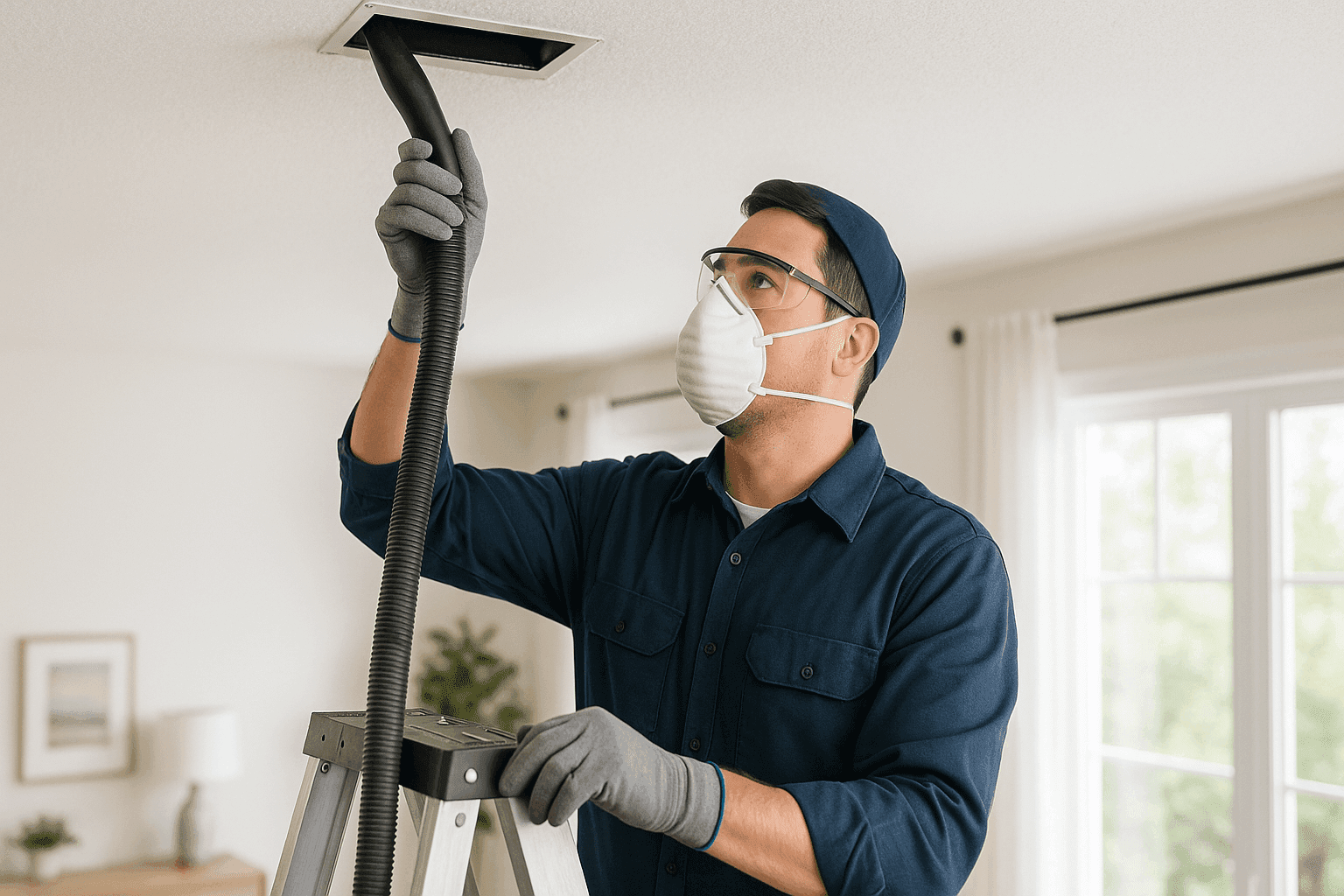
Wondering what’s actually involved in cleaning air ducts? Picture a pro with specialized equipment—not just a regular vacuum. The process is thorough, methodical, and built to get deep into the system.
Step-by-Step Breakdown
- Inspection: Before any cleaning, a certified tech will inspect your ducts. This can involve cameras or mirrors, looking for buildup, mold, or even signs of pests.
- Preparation: Vents and registers are covered to contain dust and keep your spaces clean.
- High-Powered Vacuuming: Industrial vacuums—often truck-mounted—create negative pressure to pull debris from the entire duct network.
- Brushing & Agitation: Flexible brushes or air whips break loose stubborn dust clinging to duct walls.
- Component Cleaning: Pros also clean crucial parts of your HVAC system, like the blower, coils, and drain pans.
- Filter Replacement: A fresh filter is installed, vital for ongoing hvac maintenance.
- Final Inspection: A last check ensures all debris is gone and airflow is restored.
Throughout, certified pros (look for NADCA or similar credentials) follow guidelines to protect your system and indoor air.
Signs You Need Duct Cleaning
Not sure if your ducts are due? Here’s what to look for:
- Visible Mold: If you spot mold growth inside ducts or on other HVAC parts, it’s time for a professional cleaning—and possibly more.
- Excessive Dust: When dust returns quickly after cleaning, or you see debris around vents.
- Unexplained Allergies: Increased coughing, sneezing, or allergy symptoms that clear up when you leave the building.
- Odors: Musty, stale, or “dirty sock” smells when the HVAC runs.
- Recent Renovations: Construction dust and debris can linger long after the job is done.
- Vermin or Insects: Droppings or evidence of pests in the ductwork.
If you notice any of these, it’s worth having your system checked.
Health, Energy, and Dust Concerns
Let’s get real. Your HVAC system is a circulation system for your space. If contaminants settle in your ducts, they don’t just stay put—they travel every time the fan turns on. This means:
- Health Risks: Mold spores, bacteria, or dust mites in ducts can trigger or worsen asthma, allergies, and respiratory issues.
- Energy Waste: A clogged system has to work harder. According to ENERGY STAR, clean systems can use 15–20% less energy.
- Dust Control: Routine duct cleaning, paired with proper filtration, means less dust on furniture and surfaces.
For those with pets, allergies, or in high-pollen regions, regular checks are especially important.
Industry Certifications & Realistic Expectations
Not all duct cleaning is created equal. Look for technicians certified by organizations like NADCA or the Institute of Inspection Cleaning and Restoration Certification (IICRC). These groups set the standards for safety and effectiveness.
But, be wary of “too good to be true” claims. Duct cleaning is a valuable service, but it’s not a cure-all. Regular cleaning helps, but ongoing hvac maintenance and proper filtration are just as important for air quality and system health.
What the Duct Cleaning Process Involves
When professionals arrive, here’s what you can expect:
- Preparation: Access panels may be opened; furniture or belongings are protected.
- System Shutdown: For safety, your HVAC system is turned off during cleaning.
- Thorough Work: Each main supply and return duct is addressed, not just the ends.
- Respect for Your Space: Debris and dust are controlled—no mess left behind.
- Report: Many pros provide before-and-after photos or a summary of findings.
Most jobs take 2–5 hours, depending on system size and complexity.
Signs You Need Duct Cleaning
How do you know it’s time? Watch for:
- Mold or Moisture Stains: Especially near vents or on walls.
- Unusual Noises: Rattling or whistling can mean obstructions or loose debris.
- Frequent Filter Changes: If filters clog faster than usual, ducts may be the culprit.
DIY vs. Professional Duct Cleaning
It’s tempting to tackle duct cleaning yourself. However, household vacuums and simple tools can’t reach deep inside, and improper cleaning can damage ducts or release more dust than before. Some tasks—like changing filters or vacuuming registers—are perfect for DIY. For whole-system cleaning, it’s best to call a certified pro.
Practical Tips for Healthier Air
- Change filters every 1–3 months (more often with pets or allergies).
- Keep vents and returns unblocked by furniture or rugs.
- Schedule annual HVAC maintenance to catch issues before they grow.
- Use dehumidifiers near you if your area is prone to mold or high humidity.
- Consider an air quality test if you have ongoing health or dust issues.
What to Watch Out For: Industry Scams
Beware companies offering “whole house duct cleaning” for prices that seem too low. Quality work takes time and the right equipment. Always ask about certifications and references.
Costs & Time Factors
Duct cleaning cost varies with home size, system complexity, and region. Most residential jobs range from a few hundred to over a thousand dollars. Commercial jobs vary more.
- Smaller homes: 2–4 hours
- Large homes or businesses: 4–8 hours or more
Frequency depends on local conditions—plan for every 3–5 years, or sooner if you have special concerns.
When It’s an Emergency
Certain situations call for immediate action:
- Flood or water damage: Wet ducts can harbor mold within days.
- Fire or smoke damage: Soot and particles can linger in ducts.
- Sudden, unexplained illnesses: If multiple people fall ill, have air and ducts checked ASAP.
FAQ
How often should I clean my ducts?
Most homes benefit from cleaning every 3–5 years. More often if you have pets, allergies, or recent renovations.
Will duct cleaning reduce dust in my house?
It can help, especially if your ducts are very dusty. But ongoing dust is often a sign that filters need changing or there are air leaks.
Can dirty ducts damage my HVAC system?
Yes. Buildup can force your system to work harder, shortening its lifespan and raising energy bills.
Is duct cleaning safe for all systems?
A certified professional will assess your ductwork and use methods that are safe for your specific system and materials.
Local & Seasonal Considerations
In areas with high pollen counts, frequent storms, or lots of construction, more frequent duct inspections may be wise. If you use your HVAC year-round, schedule cleaning before peak heating or cooling seasons for best results.
Ready for Cleaner Air?
If you’re noticing dust, strange smells, or just want peace of mind, Mavi HVAC is here to help. We’re certified, thorough, and committed to cleaner, healthier air—whether you manage a business or care for your family at home.
Call Mavi HVAC now — or reach us anytime at 844-448-3453 .