Emergency Generator Maintenance: What to Do When the Power Goes Out
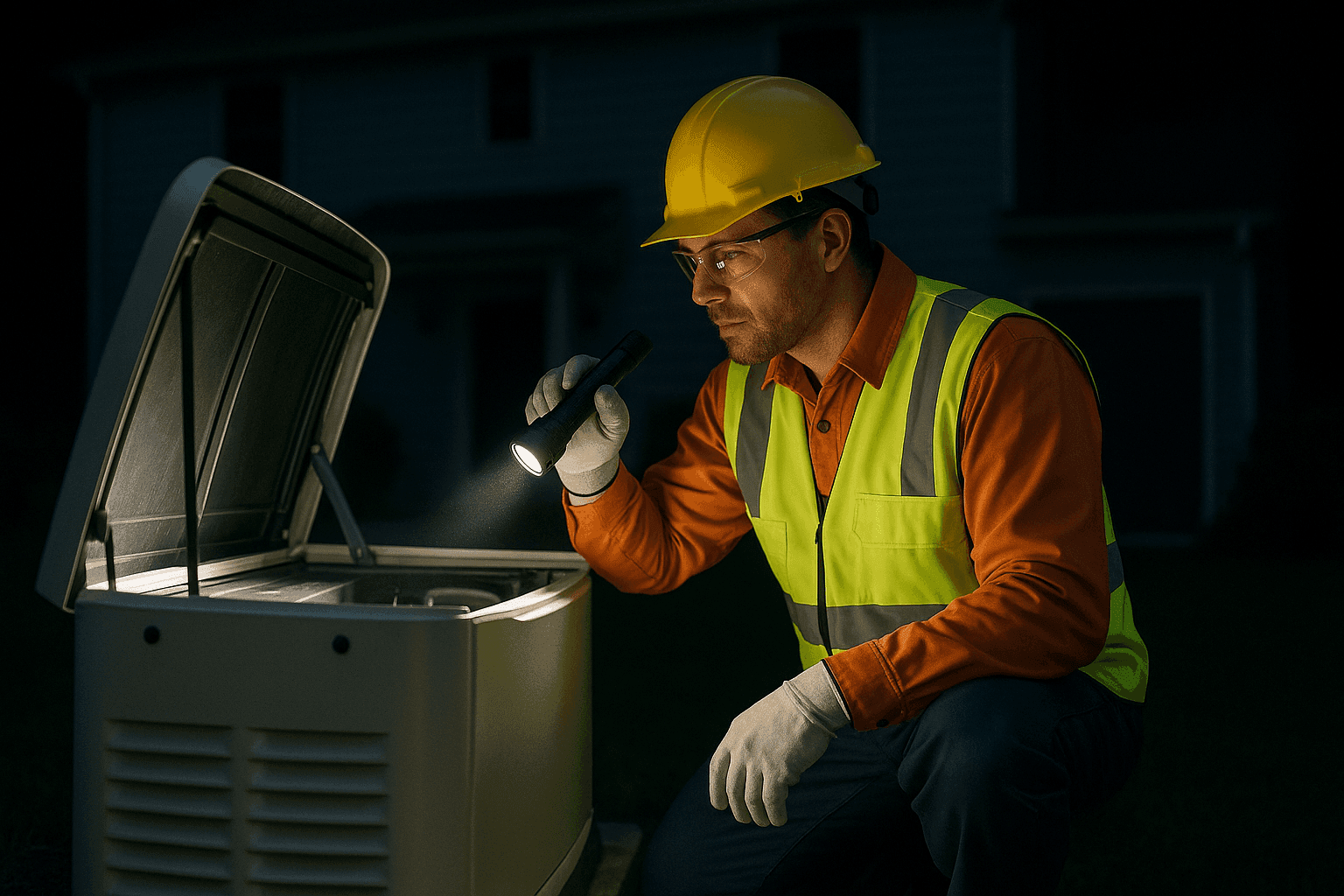
When the lights go out, anxiety flickers on. Whether it’s a sudden storm or an unexpected grid failure, a power outage turns your world upside down. At Mavi HVAC, we know the feeling. Families and businesses count on backup generators to keep essentials running, but what happens when that generator sputters or stalls?
Seconds count during an outage. Knowing what to check, what’s safe, and when to call for help can make all the difference. Here’s what you need to know to keep your power — and your peace of mind.
Immediate Generator Checks During Outages ⚡
Picture this: You hear the wind howl, the lights snap off, and silence follows. Your generator should roar to life — but it doesn’t. Before panic sets in, run through these quick steps:
- Check the fuel: Is there enough gas, diesel, or propane? Sometimes, it’s as simple as a refill.
- Inspect the power switch: Make sure the generator is actually switched on and set to “Auto” or “On.”
- Look for warning lights: Many modern generators display error codes. Jot these down.
- Listen: Is the engine struggling to turn over, or is there total silence?
- Smell for leaks: If you detect gas or burning odors, stop immediately.
If you’re comfortable and it’s safe, try resetting the generator according to the manufacturer’s instructions. Sometimes, a simple reset brings everything back to life.
Safety Precautions
Safety isn’t just a buzzword — it’s your shield. Generators pack serious power, and mishandling them can be dangerous. Here’s what to keep in mind:
- Never run generators indoors or in garages. Carbon monoxide kills silently.
- Keep the area dry: Water and electricity mix as well as oil and vinegar.
- Wear gloves and eye protection: Even quick checks can get messy.
- Avoid overloading: Only plug in essentials. Too many devices can trip the system.
- Check cords and plugs: Frayed wires or loose connections are a fire hazard.
- Stay clear of moving parts: Belts and fans can catch loose clothing or fingers.
If you notice smoke, sparks, or unusual sounds, shut down the generator right away. For safety rules, the National Fire Protection Association (NFPA) and Occupational Safety and Health Administration (OSHA) provide clear guidelines.
When to Call for Emergency Service 🚨
Sometimes, even the best DIY approach falls short. If your generator:
- Won’t start after basic checks
- Runs but doesn’t power your home or business
- Shows warning codes you don’t recognize
- Emits smoke, strange noises, or strong odors
…it’s time to call for help. Our 24-hour emergency service is always on standby for situations just like this.
Certified technicians have the tools and training to safely diagnose and repair advanced problems — fast. Don’t risk your safety or equipment. Trust the pros at Mavi HVAC to handle the heavy lifting.
Quick Troubleshooting Steps
Before you pick up the phone, here are a few things you can safely try:
Check the Breakers
Sometimes, the generator’s internal breaker or your main panel breaker trips. Reset these breakers (if safe to do so).
Inspect Air Filters
A clogged filter can choke your generator, just like a blocked nose during allergy season. Replace if dirty.
Examine Fuel Lines
Look for visible cracks, leaks, or kinks. If you spot any, stop and call for service.
Battery Connections
Loose or corroded battery cables are a common culprit. Tighten and clean, but only if you know how.
If none of these steps work, don’t push your luck. That’s when professional generator maintenance becomes essential.
What Pros Do On Arrival
When our Mavi HVAC technicians arrive, they follow a systematic process:
- Assess generator installation and environment
- Decode error messages using diagnostic equipment
- Inspect fuel systems, air filters, and spark plugs
- Test voltage output and transfer switch operation
- Check for carbon buildup and worn parts
- Perform load tests to simulate real-world demand
We use certified methods that meet or exceed local codes and manufacturer standards. Our experience covers residential homes, restaurants, schools — anywhere power matters.
Prevention & Maintenance
The best outage is the one that never happens. Regular maintenance keeps your generator humming and your worries at bay.
- Run your generator monthly: Even a quick 10-minute cycle keeps parts lubricated.
- Change oil and filters: Follow manufacturer schedules — usually every 50–100 hours of use.
- Keep fuel fresh: Old fuel gums up engines. Rotate stock, and add stabilizers if storing for long periods.
- Test transfer switches: Make sure the system switches over smoothly.
- Schedule annual professional service: Like your HVAC system, your generator deserves a yearly checkup.
These habits don’t just protect your investment. They protect your comfort and safety.
Costs & Time Factors
Emergency generator repairs can vary. Minor fixes, like a filter swap or breaker reset, might take just 15 minutes. More complex repairs — such as replacing a starter or fuel pump — can stretch to a few hours.
Costs depend on parts, labor, and the urgency of the call. After-hours service or special-order components may add to the bill. Remember: regular maintenance often costs less than emergency repairs.
When It’s an Emergency
A generator issue becomes an emergency when:
- Medical equipment is involved
- Commercial refrigeration fails
- Security systems go offline
- Extreme heat or cold threatens safety
If you’re ever in doubt, don’t hesitate — reach out. That’s what our 24-hour emergency service is for.
FAQ: Emergency Generator Maintenance
What’s the most common reason generators fail during an outage?
Old fuel, dead batteries, and clogged filters top the list. Scheduling regular maintenance helps prevent these issues.
Can I handle small repairs myself?
Some basic checks — like adding fuel or resetting a breaker — are safe for most. But when in doubt, call a certified technician.
How often should I run my backup generator?
Run your generator for 10–15 minutes once a month. This keeps the engine lubricated and helps spot problems early.
Is generator maintenance different for commercial properties?
Yes. Larger systems have more complex controls and higher power loads, requiring specialized knowledge and tools.
Local and Seasonal Considerations
Storm season, wildfire threats, and heat waves all put extra stress on generators. In humid climates, moisture can corrode components — making services like dehumidifiers near you and regular HVAC inspections even more important.
If you rely on your generator through hot summers or icy winters, schedule pre-season checkups. It’s like packing a raincoat before the clouds roll in.
When your world goes dark, Mavi HVAC brings the light back. Don’t wait for the next outage to find out your generator needs help. Keep our number handy — day or night, we’re ready when you are.
Call Mavi HVAC now — or reach us anytime at 844-448-3453 .