Energy-Efficient HVAC Upgrades: What Really Lowers Your Bills?
Is your energy bill climbing higher each month? You’re not alone. Many homeowners and businesses are surprised by how much heating and cooling costs add up, especially when old or inefficient HVAC systems are at play.
At Mavi HVAC, we know that comfort shouldn’t come with sticker shock. We’re here to guide you through upgrades that actually deliver real savings—without the guesswork.
Which HVAC Upgrades Save the Most? 🛠️
Not every upgrade is created equal. Some changes make a small dent in your bill; others can cut costs dramatically, all while improving air quality and comfort. Here’s where your dollar stretches furthest:
1. Smart Thermostats
Think of smart thermostats as cruise control for your comfort. They learn your schedule, adjust temps automatically, and let you control settings from your phone. According to ENERGY STAR®, upgrading to a qualified smart thermostat can save up to 8% on heating and cooling.
2. High-Efficiency HVAC Units
If your system is over a decade old, it’s likely running at a fraction of today’s efficiency. Look for units with ENERGY STAR® or AHRI (Air-Conditioning, Heating, & Refrigeration Institute) certification. These units use less energy for the same output—sometimes cutting energy use by 20-40%.
3. Insulation and Duct Sealing
Your HVAC is only as good as your home’s “envelope.” Poor insulation and leaky ducts are like leaving windows open year-round. Sealing and insulating can slash energy waste and help your system work less for better results.
4. Zoning Systems
Why heat or cool unused rooms? Zoning divides your space into areas, each with its own temperature controls. The result: comfort where you need it, savings where you don’t.
5. Upgraded Filters and Clean Air Solutions
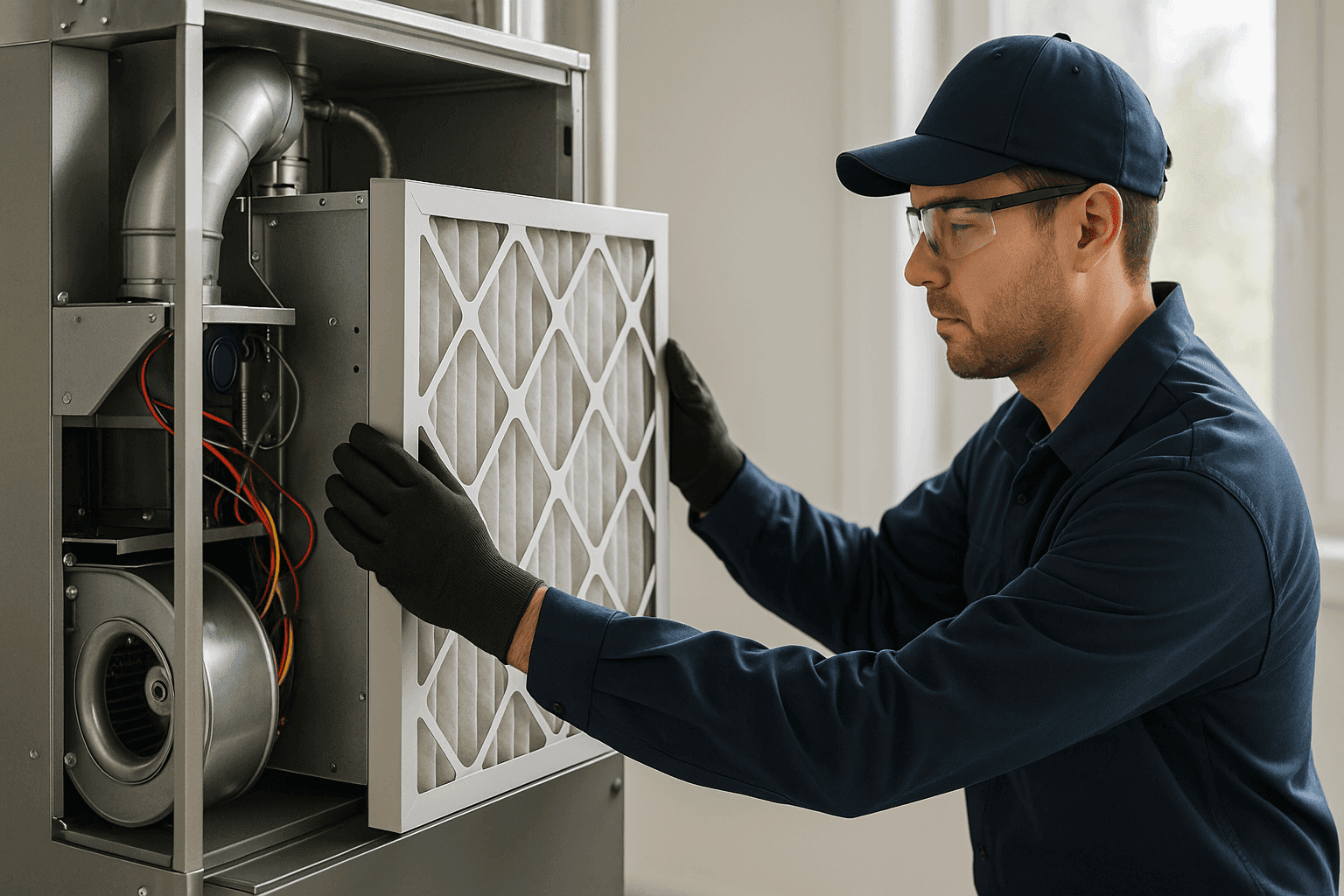
A clogged filter forces your system to work harder, burning more energy. Upgraded filters and indoor air quality (IAQ) solutions—like Dehumidifiers near you or air scrubbers—keep air moving efficiently and cleanly.
How to Prioritize Upgrades
With so many options, it’s tempting to tackle everything at once. But real savings come from a clear plan.
- Start with an HVAC Maintenance check: Professional maintenance spots inefficiencies and wear before they spiral into costly problems. Schedule an HVAC maintenance visit to get a full system review.
- Get a Home Energy Audit: This is the “treasure map” for finding leaks, poor insulation, and system issues. Mavi HVAC offers home energy audits to pinpoint where you’ll get the most bang for your buck.
- Replace the weakest link: A new thermostat won’t save much if your ducts leak like a sieve. Tackle the basics—insulation, air sealing, and filters—before jumping to bigger equipment upgrades.
- Consider your comfort goals: If allergies or humidity are issues, prioritize IAQ solutions like dehumidifiers, upgraded filters, or air scrubbers.
Getting the Best ROI
Every upgrade is an investment, but not all pay back at the same pace. Here’s how to maximize your return on investment:
Certified Efficiency Ratings Matter
Always look for third-party certifications:
- ENERGY STAR®: Ensures products meet strict efficiency guidelines set by the EPA.
- AHRI Certified: Guarantees performance claims are independently verified.
- AFUE / SEER Ratings: The higher the rating, the better the efficiency. (AFUE for furnaces; SEER for cooling.)
Layer Upgrades for Compounding Savings
Think of efficiency like layers on a cake: combine a high-efficiency unit with smart thermostats and solid insulation for results that add up, year after year.
Don’t Forget Maintenance
Even the best system needs regular care. Dirty filters, loose connections, or neglected parts mean you’re losing money every month. Schedule HVAC maintenance at least once a year.
Real-World Tips:
- Change filters every 1–3 months, especially during peak use.
- Use programmable or smart thermostats to avoid heating/cooling empty spaces.
- Seal visible duct leaks with mastic or foil-backed tape (never standard duct tape).
- Upgrade insulation in attics and crawlspaces for faster payback.
Practical Safety Checklist
Before you start any upgrade project, keep safety first:
- Always turn off power to HVAC equipment before inspecting or replacing parts.
- Wear eye and hand protection when working around insulation or filters.
- Use ladders and tools according to manufacturer guidelines.
- For electrical or gas line work, hire a licensed technician.
DIY vs. Call a Pro
Some upgrades are DIY-friendly—like swapping filters or installing a smart thermostat. But when it comes to duct sealing, high-efficiency system installs, or electrical work, it’s much safer (and more effective) to call a certified HVAC technician.
What Pros Do On Arrival
When you book a professional upgrade or audit, here’s what to expect:
- Full system inspection for wear, leaks, and code compliance.
- Efficiency testing using industry tools and meters.
- Clear, jargon-free explanations of what’s needed—and what isn’t.
- Documentation for rebates, warranties, and energy credits.
Prevention & Maintenance
An ounce of prevention is worth a pound of cure. Ongoing maintenance keeps small issues from snowballing into big repairs:
- Clean coils and blower components.
- Lubricate moving parts.
- Test thermostat accuracy.
- Inspect insulation and duct connections regularly.
Costs & Time Factors
Upgrade costs vary by system size and home layout, but here are general ranges:
- Smart thermostats: 1–2 hours for install, moderate cost, fast ROI.
- High-efficiency units: A day or two for full replacement, higher upfront cost, major long-term savings.
- Duct sealing and insulation: Can be done in a few hours to a day, cost depends on home size.
- Zoning systems: More complex; may require several days and system redesign.
Remember: rebates, tax credits, and utility incentives can offset some costs. Check ENERGY STAR® and local utility programs for details.
When It’s an Emergency
If your system fails in extreme weather, don’t try to patch a complex issue yourself. Emergency HVAC repair is available 24/7 from Mavi HVAC. We’ll get you back to comfort—safely and efficiently.
FAQ
Q: Will a smart thermostat work with my old system?
A: Most smart thermostats are compatible with older systems, but it’s best to have a pro confirm wiring and voltage.
Q: How often should I replace my HVAC filter?
A: Every 1–3 months, or more often if you have pets or allergies.
Q: Does upgrading HVAC really increase home value?
A: Yes—buyers value energy efficiency and lower monthly bills.
Q: What’s the best upgrade if I have a tight budget?
A: Start with a programmable thermostat and improved insulation, then consider higher-efficiency equipment as your budget allows.
Local & Seasonal Considerations
Seasonal changes mean your system works harder at different times. In humid climates, Dehumidifiers near you can reduce strain and keep air healthy. During winter, furnace maintenance and filter changes prevent breakdowns during cold snaps.
Ready to Start Saving?
You don’t have to navigate the maze of upgrades alone. The right investment pays you back every month—with lower bills, cleaner air, and lasting comfort.
Call Mavi HVAC now — or reach us anytime at 844-448-3453 .