Generator Installation: What to Expect Before, During, and After
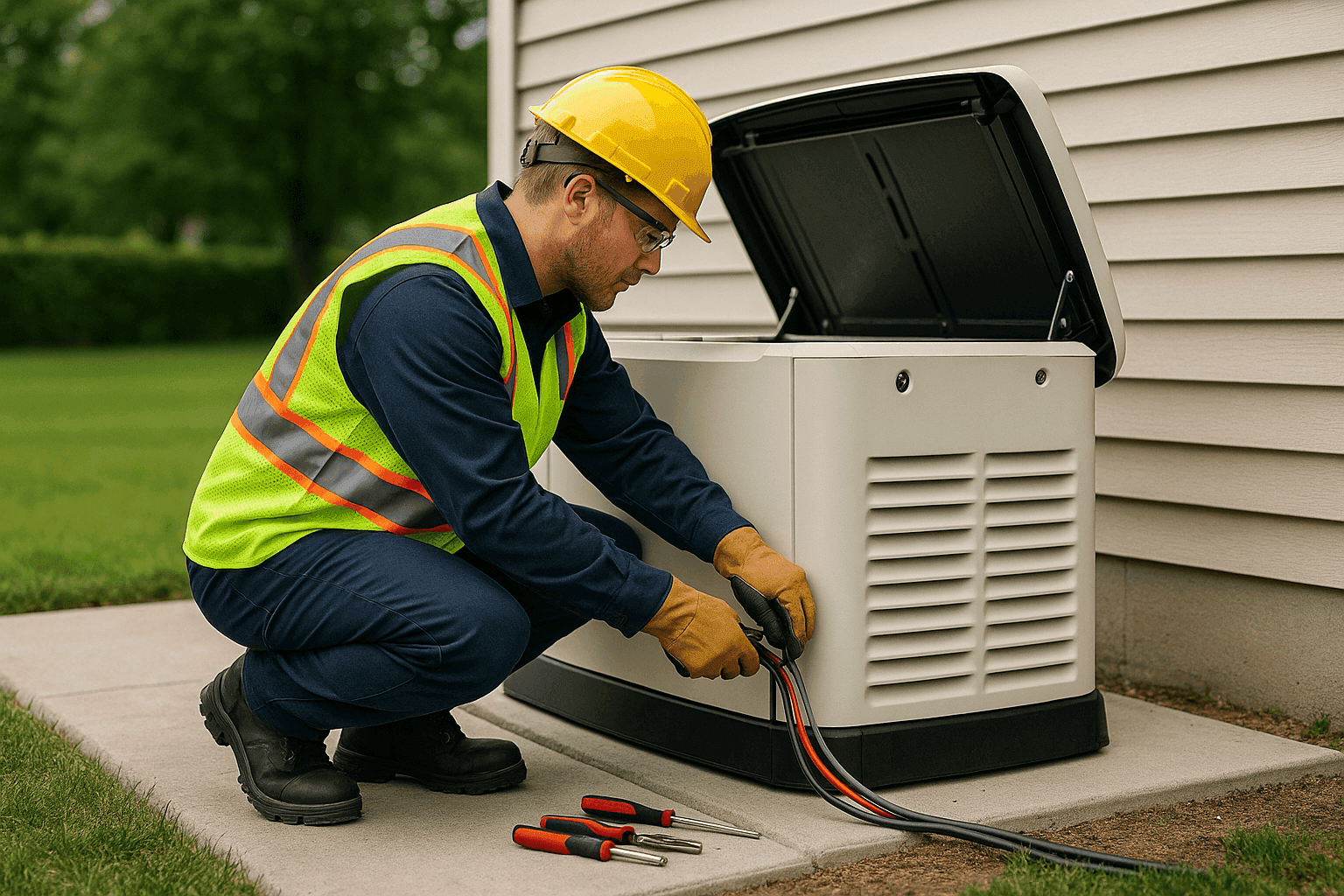
When the lights go out, life doesn’t have to stop. A professionally installed generator can be the difference between comfort and chaos—at home or work. But what's it really like to get a generator installed? Mavi HVAC is here to break down every step, so you know exactly what to expect and why it matters.
Whether you’re preparing for storm season or just tired of losing power, understanding this process helps you stay in control. Let’s pull back the curtain on generator installation, from first planning to the final test.
Planning and Permitting
Getting a generator is a bit like building a safety net—strong, stable, and ready when you need it most. But before the installation crew arrives, there’s homework to do.
Site Selection: Where Does It Go?
- Clearance: Generators need space to breathe. We help you pick a spot that meets manufacturer guidelines and the National Fire Protection Association (NFPA) codes—usually outside, away from doors, windows, and vents.
- Access: It should be easy to reach for future generator maintenance, repairs, or quick checks.
- Noise: Placement matters for peace and quiet. We look for locations that keep the hum away from living or working spaces.
Power Needs: Sizing Up Your Safety Net
- Wattage Calculation: We’ll ask what you want powered during an outage—just the essentials or the whole building? This helps us size the generator correctly.
- Fuel Source: Standby generators often run on natural gas or propane. We verify your fuel supply is safe, reliable, and code-compliant.
Permitting & Codes
- Permits: Local building codes require permits for generator installations. Our team handles the paperwork and ensures your project meets all legal standards.
- Inspections: From electrical to fuel lines, everything must pass inspection. We coordinate with inspectors, so you don’t have to.
Pro tip: Always check with your municipality for specific code requirements. The International Residential Code (IRC) and National Electrical Code (NEC) are good starting points.
Day of Installation ⚡️
The big day arrives. It’s like setting up the heart of your backup power system. Here’s what to expect:
Arrival & Site Prep
- Safety First: Our crew inspects the site for hazards—gas lines, electrical panels, and clearance.
- Protecting Your Property: Drop cloths and barriers keep your yard and floors clean.
Installation Steps
- Set the Pad: A concrete or composite pad gives your generator a solid, level base.
- Position the Generator: Placed carefully to meet codes and maximize efficiency.
- Electrical Connections: Certified electricians connect your generator to your home’s main panel using an automatic transfer switch. This switch is the brain that senses outages and flips power on or off.
- Fuel Hookup: Licensed professionals connect the generator to your gas or propane line, following all fire and building codes.
- System Integration: The system is checked for safe, seamless operation with your existing electrical setup.
Safety: No Shortcuts
- Double-Check Everything: Connections are checked (and checked again) for leaks, shorts, or code violations.
- Circuit Testing: Only the circuits you want powered get connected, keeping the rest of your system safe.
According to the Electrical Safety Foundation International (ESFI), improper generator installation is a leading cause of home fires during power outages. Always leave this part to the pros.
Post-Installation Testing
Installation isn’t done until we know it works—every time.
First Run
- Startup Test: We start the generator and simulate a power outage. You’ll see the transfer switch in action as power shifts smoothly.
- Load Test: We monitor the system under real load, ensuring it can handle everything you need—without tripping or overheating.
Final Walkthrough
- System Demo: We show you how to use your new generator, reset the system, and shut it down in an emergency.
- Safety Review: You’ll get a rundown of safe operating practices and maintenance reminders.
- Documentation: Manuals, warranty info, and maintenance schedules, all in hand before we leave.
Ongoing Peace of Mind
- Maintenance Scheduling: Like any engine, generators need regular care. We’ll help you set up a maintenance plan—or you can check out our generator maintenance services for ongoing peace of mind.
Safety Checklist for Your New Generator
- Keep area around generator clear—no leaves, debris, or snow.
- Never run a portable generator indoors.
- Test your generator monthly as recommended by manufacturers.
- Schedule annual inspections and maintenance.
- Store fuel safely, away from heat sources and in approved containers.
DIY vs. Call a Pro
Tempted to DIY? It’s easy to think, “How hard could it be?” But a generator is more like the electrical heart of your building than a new coffee maker.
- Risks: Incorrect installation can cause fires, carbon monoxide poisoning, or void your warranty.
- Building Codes: Many municipalities require licensed electricians and plumbers for generator hookups.
- Insurance: Improper installation may affect your policy or claims in an emergency.
When it comes to backup power, shortcuts can leave you in the dark.
What Pros Do On Arrival
When Mavi HVAC arrives, we come prepared—tools in hand and safety on our minds.
- Review your property layout, electrical panel, and fuel supply.
- Confirm equipment specs and placement.
- Follow a detailed installation checklist for every step.
- Use code-compliant materials and up-to-date techniques.
- Explain every step before, during, and after the work is done.
You’ll always know what’s happening and why.
Prevention & Maintenance
A generator is like a good insurance policy—it only works if it’s kept in shape.
- Run It Regularly: Most manufacturers recommend a monthly test run.
- Change Oil and Filters: Follow your manual’s schedule or ask us to handle it.
- Check for Leaks: Gas and oil leaks are serious—report them right away.
- Annual Inspections: A professional checkup ensures you’re ready when storms hit.
Read more about our 24-hour emergency service if you ever need urgent repairs.
Costs & Time Factors
No two installations are exactly the same. Here’s what can affect the price and timeline:
- Generator Size: Larger units for whole-building backup cost more.
- Fuel Source: Running new gas lines or upgrading your panel can add to the bill.
- Permitting: Some towns process permits quickly; others take longer.
- Site Prep: Extra concrete, trenching, or electrical upgrades can affect timing.
Expect the process—from planning to first run—to take anywhere from a few days to a couple of weeks.
When It’s an Emergency
Power out and no generator yet? We get it—sometimes the need sneaks up on you. Mavi HVAC offers emergency assessments and temporary solutions while we plan your permanent backup.
- 24/7 Response: Our team is available around the clock, so you’re never left in the dark.
- Safe Temporary Power: We’ll help you get through the outage with safe, code-compliant solutions until your new generator is ready.
FAQ: Generator Installation
Q: Do I need a permit for generator installation?
A: Yes, local codes almost always require permits and inspections for generators.
Q: How often should I maintain my generator?
A: Most manufacturers recommend annual professional service, with monthly test runs.
Q: Can a generator power my entire home or business?
A: With the right size and installation, yes. We’ll help you choose the best fit for your needs.
Q: Are standby generators loud?
A: Most modern units are quieter than a lawnmower, especially with smart placement.
Local and Seasonal Considerations
- Storm Season: Install before severe weather hits. Don’t wait for the first outage.
- Cold Climate: Cold-weather kits help generators start in freezing temps.
- Humidity: In damp regions, check for corrosion—pair your system with dehumidifiers near you for best results.
- Wildfire Zones: Some areas require specific clearances to reduce fire risk.
Ready for Reliable Power?
Whether you’re a homeowner or business owner, a professionally installed generator is a smart investment. You’ll stay comfortable, safe, and productive—no matter what the weather throws your way.
Call Mavi HVAC now — or reach us anytime at 844-448-3453 .