Generator Maintenance for Homeowners and Businesses: Top Tips & Schedules
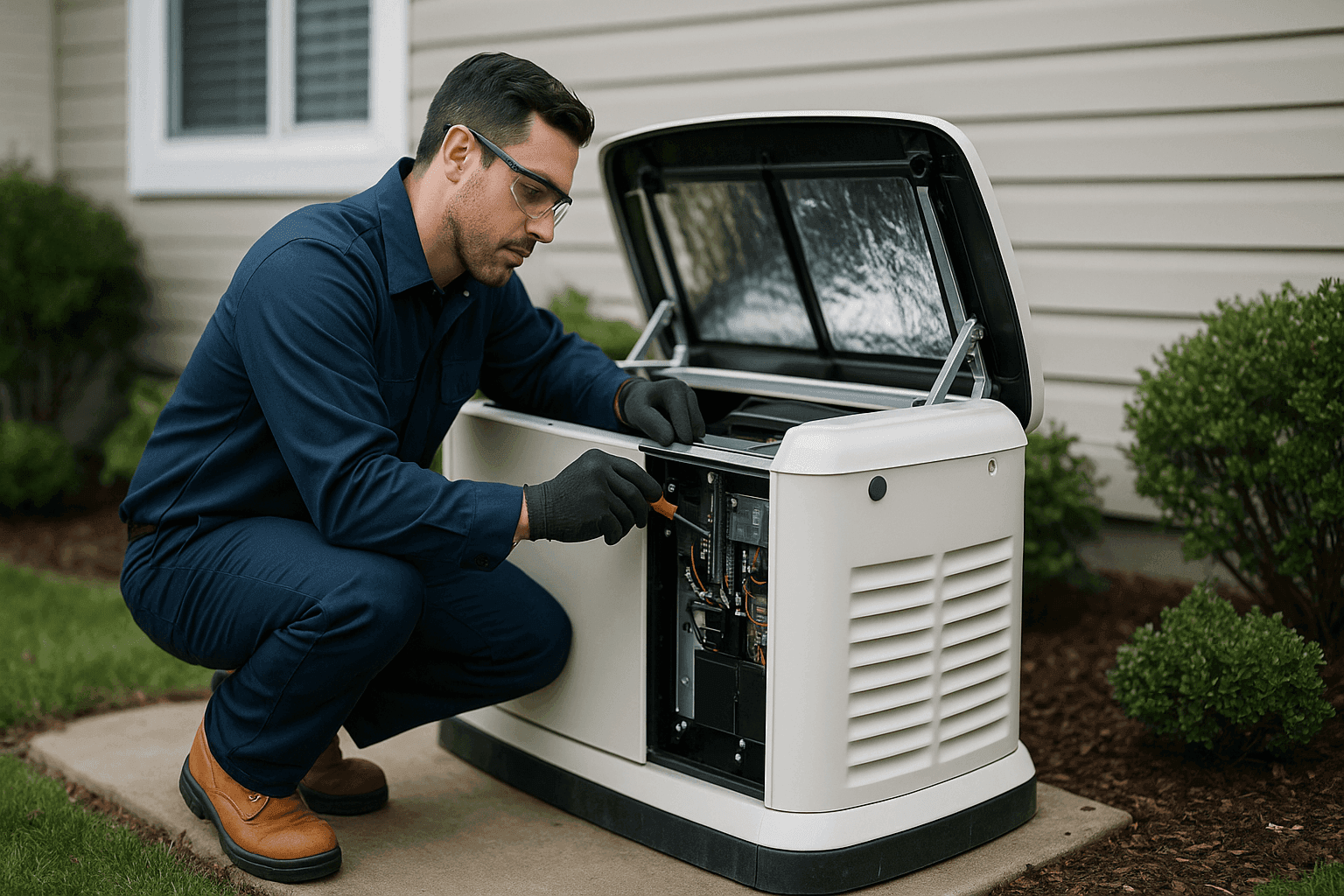
Unexpected storms. Power outages. Business disruptions. For many homeowners and businesses, a generator isn’t just a backup plan—it’s peace of mind. But that peace only lasts as long as your generator is ready when you need it most.
At Mavi HVAC, we see it every season: generators that sputter or stall because they’re neglected. Let’s change that with some straightforward, practical advice.
Why Regular Generator Maintenance Matters ⚡
Imagine your generator as the goalie between you and a blackout. If it’s out of shape, you’re left exposed. A well-maintained generator stands guard against spoiled food, lost revenues, or even safety risks during an extended outage.
Routine care isn’t just about keeping the lights on. It’s about ensuring the system runs safely, quietly, and efficiently, protecting everything from your servers to your family’s comfort. Ignoring maintenance can void warranties and even violate certain building codes (NFPA 110 for commercial properties, for example).
DIY Checks vs. Professional Service
You wouldn’t skip a car’s oil change and expect it to run forever. Generators need the same attention. But not every task is a DIY job.
DIY Maintenance: Safe Steps for Homeowners & Facility Managers
- Visual Inspection: Check for leaks, corrosion, or frayed wires.
- Check Oil & Fuel Levels: Top off if needed, and look for contamination.
- Test the Battery: Weak batteries are a top cause of failure.
- Start Up Monthly: Run the generator for 10–15 minutes to keep parts lubricated.
- Listen & Smell: Odd sounds or fuel odors mean it’s time for a pro.
What To Leave to the Pros
Some jobs need certified technicians. It’s not just about tools—it’s about safety and code compliance.
- Load Bank Testing: Simulates real electrical loads to ensure reliability.
- Electrical Connections: Tightening and thermal imaging to spot hidden issues.
- Coolant System Service: Flushing, topping up, and leak checks.
- Exhaust System Inspection: Carbon monoxide leaks are deadly.
- Comprehensive Diagnostics: Adjusting settings, updating firmware, and more.
Following manufacturer schedules (like Cummins or Generac’s guidelines) is key. Skipping steps could mean trouble when you need power most.
Seasonal Maintenance Schedules
Just as you’d prep your HVAC system for summer or winter, your generator needs seasonal attention. Here’s how to keep it ready year-round.
Spring & Fall
- Change engine oil and filters.
- Inspect air filters; replace if dirty.
- Clean dust, leaves, and debris around the unit.
- Test automatic transfer switch operation.
- Inspect and tighten battery terminals.
Summer
- Check coolant system for overheating risks.
- Inspect ventilation and exhaust for blockages.
- Review load requirements—air conditioning adds demand.
Winter
- Test cold-weather starting systems (block heaters, battery warmers).
- Ensure fuel isn’t gelling (for diesel units).
- Clear snow and ice from intake/exhaust areas.
Residential Generator Maintenance Checklist
- Test run once per month.
- Check and top off fluids (oil, coolant, fuel).
- Replace oil and air filters every 100–200 hours (or as manufacturer recommends).
- Inspect spark plugs annually.
- Keep area clear of clutter and combustibles.
Commercial Generator Maintenance Checklist
- Weekly visual inspections and log entries.
- Monthly battery and charger checks.
- Quarterly coolant and oil analysis.
- Semi-annual load bank testing.
- Annual full system inspection and code compliance review.
Sticking to these schedules means fewer surprises—and fewer frantic calls for 24-hour emergency service.
Safety and Reliability: The Heart of Scheduled Care
Generator maintenance isn’t just about convenience. It’s about safety. Poorly maintained units can leak carbon monoxide, spark fires, or fail at the worst moment. OSHA, NFPA, and local building codes all stress regular care for good reason.
A reliable generator is like a sturdy umbrella—you don’t want it full of holes when a storm hits. Whether you’re protecting a data center or a cozy living room, safe, scheduled maintenance makes all the difference.
Quick Safety Checklist 🛑
- Never operate a generator indoors or in an attached garage.
- Test CO detectors regularly.
- Keep children and pets away during operation.
- Allow the unit to cool before refueling.
- Store fuel in approved containers, away from heat sources.
When to Call for Professional Generator Maintenance
If you notice any of these, pause and call a pro:
- Strange noises, vibrations, or alarms.
- Error codes or warning lights.
- Repeated failure to start.
- Fuel or oil leaks.
- Age (over 5 years old and never professionally serviced).
Need installation or a system upgrade? Mavi HVAC handles generator installation with precision and care.
FAQ: Generator Maintenance
How often should I service my generator?
Most manufacturers recommend professional service every 6–12 months, even if the unit isn’t used often.
Can I perform all maintenance myself?
Basic checks are fine, but critical inspections, load testing, and electrical repairs should be left to certified technicians.
Will regular maintenance extend my generator’s life?
Absolutely. Like any mechanical system, routine care prevents wear and tear, saving money over time.
What if my generator is under warranty?
Many warranties require proof of regular, professional maintenance to remain valid. Check your manual.
Local and Seasonal Considerations
Climate matters. High humidity can corrode parts—consider dehumidifiers near you for both comfort and generator longevity. In colder climates, winterization is essential. Dusty or coastal environments demand more frequent air filter changes. Always tailor your schedule to both your location and your generator’s specific model.
Final Thoughts
Don’t wait for the next outage to find out your generator needs help. Scheduled maintenance is your insurance policy against downtime and danger. Whether you’re a homeowner or a business manager, Mavi HVAC is ready to help you build a schedule that fits your needs—and keeps your power on, no matter what the forecast says.
Call Mavi HVAC now — or reach us anytime at 844-448-3453 .