Geothermal HVAC Explained: Energy Savings, Installation, and Maintenance
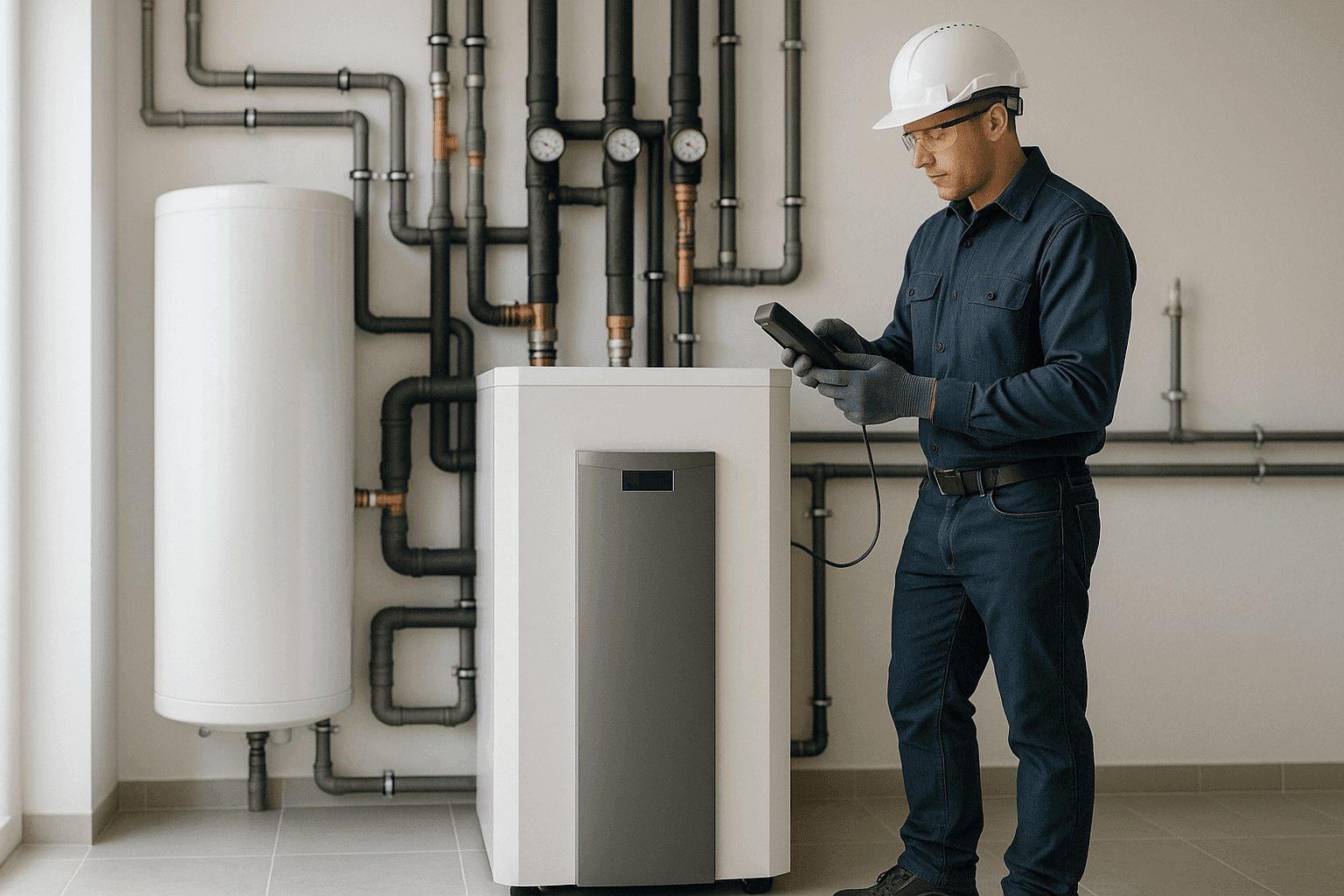
Is your energy bill creeping higher every season? Wondering if there’s a better way to heat and cool your home or business—one that’s efficient, reliable, and kinder to the planet? Geothermal HVAC might be the missing piece you’re looking for. At Mavi HVAC, we help property owners cut costs and upgrade comfort with advanced solutions like geothermal systems.
Let’s break down what geothermal HVAC really means for your energy use, wallet, and daily comfort.
How Geothermal HVAC Works 🌱
Think of geothermal HVAC as a refrigerator in reverse, but instead of just one appliance, it powers your entire building’s climate. Rather than burning fuel or using outside air, it taps into the steady temperature beneath the earth’s surface—usually around 50°F to 60°F year-round.
Here’s how it happens:
- Underground loops: Pipes buried in your yard circulate water or refrigerant, absorbing heat from the ground in winter and carrying it up to your heat pump.
- Heat pump magic: Inside, the geothermal heat pump moves that heat into your home for warmth. In summer, the system reverses, pulling heat out of your building and sending it into the earth.
- Consistent comfort: Because the ground temperature stays stable, your HVAC system doesn’t struggle as much as traditional systems during extreme cold or heat.
According to the U.S. Department of Energy, geothermal heat pumps can reduce energy use for heating and cooling by up to 65% compared to conventional systems. That’s not a small difference—it’s a whole new ballgame for comfort and efficiency.
Benefits and Cost Savings
Switching to geothermal HVAC is like planting a money tree in your yard. It’s an investment up front, but the payoff comes year after year.
Why do home and business owners love geothermal?
- Lower utility bills: Most people see their heating and cooling costs shrink by 30–60%.
- Long system life: Ground loops can last 50+ years; indoor components commonly run for 20–25 years.
- Quiet operation: No noisy outdoor compressors—just peaceful comfort inside.
- Eco-friendly: It uses renewable energy from the ground, slashing your building’s carbon footprint.
- Improved indoor air quality: Geothermal systems often include better filtration and humidity control, pairing well with solutions like Dehumidifiers near you.
Typical payback period: Most property owners recoup their initial investment in 5–10 years, depending on system size, local energy rates, and available incentives (like federal tax credits).
Installation and Care: What to Expect
Installing a geothermal HVAC system isn’t a weekend project. It’s more like adding a foundation to your comfort plan.
Is Your Property Right for Geothermal?
Not every building is a good fit. Here’s what helps:
- Yard space: There needs to be enough room for horizontal or vertical ground loops. Vertical loops work even on smaller lots.
- Soil and landscape: Soft soil is easier (and cheaper) to drill than rocky terrain. Wet soils conduct heat better.
- Existing ductwork: Geothermal works with many types of duct systems, but some older homes may need upgrades.
A professional Home Energy Audit is a great first step. This assessment pinpoints your building’s current efficiency and reveals if geothermal makes sense.
The Installation Process
- Site evaluation: Mavi HVAC’s team reviews your property, soil, and current HVAC setup.
- Loop field installation: Technicians drill or trench for the ground loops. This can take a few days, depending on weather and soil.
- Heat pump setup: We install the indoor unit—usually where your old furnace or air handler was located.
- System connection and testing: Everything is tied together, pressure-tested, and powered up.
All work follows International Mechanical Code (IMC) and local safety guidelines.
Maintenance and Longevity
Geothermal systems need less routine care than traditional HVAC, but they’re not “set it and forget it.” Here’s how to keep yours humming:
- Change filters regularly: Just like any HVAC system.
- Annual checkup: Have a pro inspect the heat pump and ground loop pressure.
- Watch for warning signs: If your system isn’t keeping up or making odd sounds, call for service.
With proper maintenance, geothermal systems can outlast most traditional units by decades.
Understanding Payback and Cost Factors
The up-front cost for geothermal is higher than a standard furnace or air conditioner, mostly due to the ground loop installation. But here’s what affects your total investment and payback period:
- Property size and insulation: Well-insulated homes need smaller systems.
- Local energy rates: Higher utility costs mean faster savings with geothermal.
- Incentives: Federal, state, and utility rebates can greatly reduce your net cost.
- System size: A bigger space, or one with high heating/cooling loads, will need a more powerful (and pricier) setup.
Real-world payback: According to ENERGY STAR and the Department of Energy, most residential geothermal systems pay for themselves in 5–10 years, with commercial properties seeing similar returns.
Maintenance Needs: Keeping Your System Efficient 🛠️
A geothermal system is like a marathon runner—it’s built for endurance, but it needs support along the way.
Simple steps you can take:
- Keep vents and returns unblocked.
- Change air filters every 1–3 months.
- Don’t ignore new noises or performance drops.
Professional maintenance:
- Annual inspections by certified HVAC technicians.
- Periodic checks of loop pressure, refrigerant, and electrical connections.
- System performance testing to ensure efficiency.
Regular care keeps your geothermal system running quietly, efficiently, and reliably through all seasons.
Frequently Asked Questions
How long does it take to install a geothermal system?
Most residential projects take 2–5 days, weather and ground conditions permitting.
Can geothermal heat my whole building?
Yes—properly sized systems can heat and cool even large homes and commercial spaces.
What if I need repairs?
Most issues are with the indoor heat pump, which is easily accessible. Ground loops are extremely durable and rarely need service.
Are geothermal systems noisy?
No. They’re among the quietest HVAC options available.
Next Steps: Is Geothermal Right for You?
Every property is unique. Before you dig, get a professional assessment—starting with a home energy audit or consultation from an experienced HVAC installer. Our team at Mavi HVAC is ready to help you compare options, understand the process, and make a smart investment in lasting comfort.
Ready to explore geothermal HVAC or upgrade your comfort?
Call Mavi HVAC now — or reach us anytime at 844-448-3453 .