Heating Installation: Steps to a Smooth, Stress-Free Upgrade
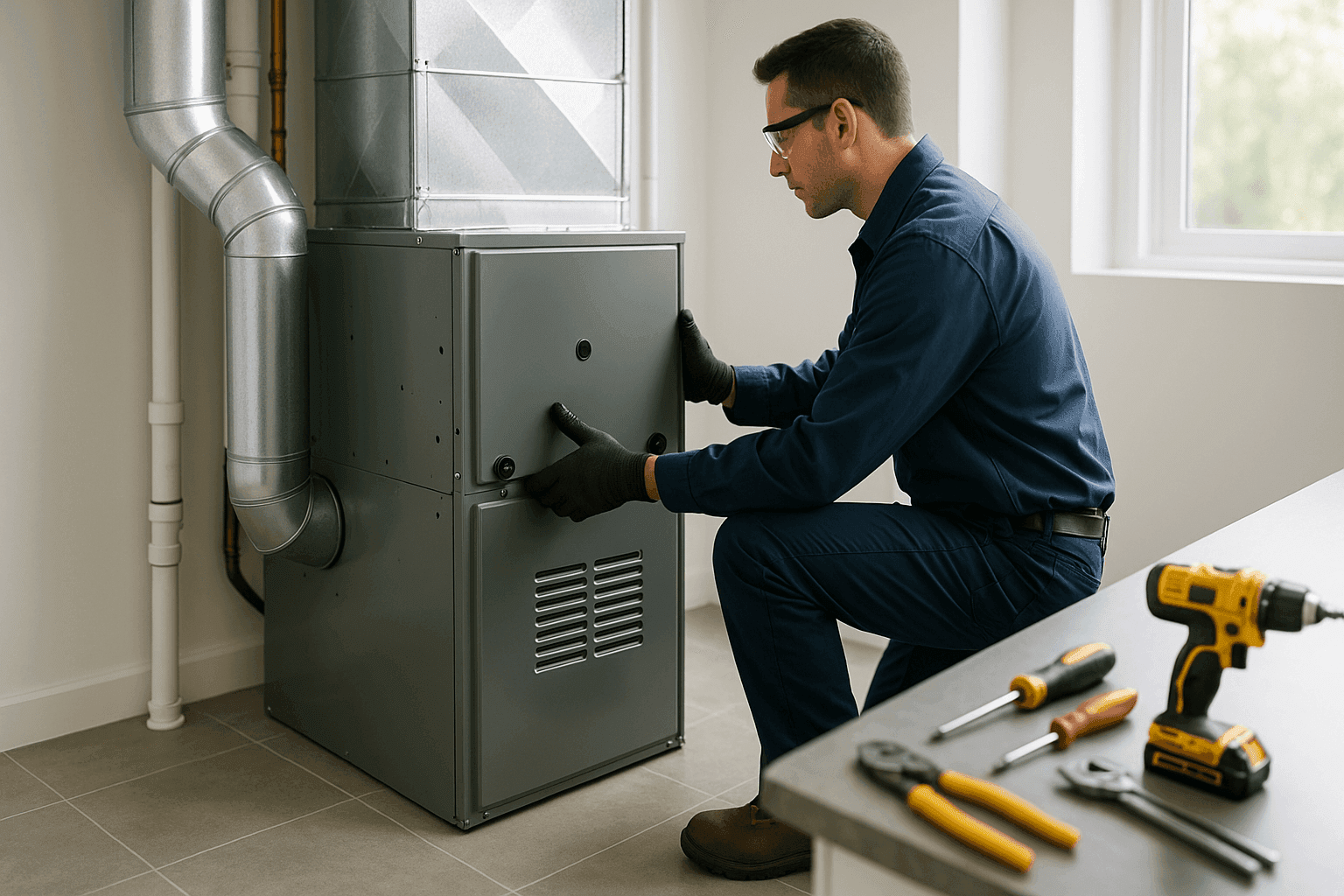
Upgrading your heating system is a big decision. Maybe winter’s chill has crept inside, or your old system just can’t keep up. Whether you own a home or manage a busy commercial space, the process can feel overwhelming. But with clear steps and the right team, it doesn’t have to be stressful.
At Mavi HVAC, we’ve guided countless customers through heating installations—step by step, question by question. Here’s how it unfolds, what to expect, and how to make sure your upgrade is smooth and worry-free.
Pre-Installation Planning 📝
Think of heating installation like preparing for a long road trip. The better the map, the easier the journey. Before the first screw is turned, planning is key.
1. Assessment & Sizing
- Home or Business Walkthrough: A licensed HVAC professional will visit your space. They’ll look at square footage, insulation, windows, ceilings—every detail that affects comfort.
- Load Calculations: Using national HVAC standards (like those set by ACCA Manual J), they’ll calculate the exact heating needs. Too big and your system wastes energy. Too small and you’re left shivering.
- System Recommendations: Options range from high-efficiency furnaces to geothermal systems. Your installer will explain the pros and cons, factoring in your budget, goals, and local code requirements.
2. Choosing the Right System
You might hear terms like “two-stage” or “variable speed.” Don’t get lost in the weeds. What matters is picking a system that fits your building, lifestyle, and future needs. For commercial properties, zoning and controls become even more important for balancing comfort and reducing energy waste.
3. Scheduling & Permits
- Timeline: Most heating installations for homes take a full day. Larger or more complex commercial spaces might need a few days.
- Permits: Your installer will handle city or county permits, making sure everything meets local building and fire codes.
4. Prepping the Space
- Clear pathways to your utility room or mechanical area.
- Move valuables or delicate items.
- For businesses, coordinate with staff or tenants to minimize disruption.
Day-of Installation Process 🛠️
The big day arrives. What should you expect? Here’s what a typical installation looks like, step by step.
1. Arrival & Setup
- Team Briefing: Licensed installers review the plan, safety protocols, and double-check equipment.
- Protecting Your Space: Drop cloths, shoe covers, and careful prep keep your floors and belongings safe.
2. Removing the Old System
- Power is shut off for safety.
- Old furnace or heater is disconnected and removed.
- Technicians inspect ductwork, vents, and wiring for wear or problems.
3. Installing the New System
- Positioning: The new unit is set in place, leveled, and secured.
- Connections: Electrical, gas, and venting lines are installed to meet code. For commercial jobs, this may include building management system integration.
- Ductwork & Airflow: Existing ducts are sealed or repaired as needed. Proper airflow is checked—critical for efficiency and air quality.
4. System Start-Up & Testing
- Testing: The system is powered up. Technicians check for leaks, proper operation, and safety device function.
- Air Balancing: Airflow is measured in each room or zone. Adjustments are made for even heating.
- Thermostat Setup: New thermostats (including smart models) are programmed.
5. Clean-Up
- Old equipment and debris are removed.
- Work areas are swept and wiped down, leaving your space as clean as (or cleaner than) before.
What Happens After Installation ✔️
Your new heating system is in. But the process isn’t over yet.
1. Quality Assurance & Walkthrough
- Your installer reviews the new system with you.
- Explains how to use the thermostat, change filters, and what to expect with your first bill.
- Commercial clients may receive written documentation for building records.
2. Final Inspections
- City inspectors may visit to confirm code compliance.
- Your installer may also schedule a follow-up visit to ensure everything’s running smoothly.
3. Ongoing Maintenance
Like a car, your heating system runs best with regular checkups. Mavi HVAC recommends professional heating maintenance at least once a year—before winter sets in. Change filters, clear vents, and watch for warning signs like odd smells or noises.
4. Warranty Registration & Support
- Most systems require registration for full warranty coverage.
- Keep your installer’s contact info handy for future service or questions.
Residential vs. Commercial Considerations
The steps above apply to both homes and businesses, but there are differences:
- Residential: Usually quicker installs, standard ductwork, and simpler controls.
- Commercial: May require after-hours work, larger equipment, multiple zones, and integration with building automation systems.
- Air Quality: Both can benefit from add-ons like Dehumidifiers near you, air scrubbers, and smart thermostats for better comfort and efficiency.
Typical Timelines & What Impacts Them
A straightforward residential furnace installation can be completed in 6–8 hours. Larger homes or commercial sites may take 1–3 days, especially if ductwork or controls need upgrades. Weather, parts availability, and permit timing can all add a day or two—so a little flexibility helps.
Quality Checks That Matter
- Safety First: Licensed installers follow codes from the National Fire Protection Association (NFPA) and local authorities.
- Performance Testing: Proper airflow, gas pressure, and electrical connections are measured.
- Combustion Analysis: Ensures efficiency and safety—no dangerous carbon monoxide leaks.
- Final Sign-Off: Nothing is left to chance.
Tips for a Smooth Installation
- Schedule early, especially before peak seasons (late fall and early winter).
- Ask questions—no detail is too small.
- Keep pets and children away from the work area.
- For commercial installs, alert building occupants of the project schedule.
FAQ
How do I know it’s time to replace my old heater?
If repairs are frequent, energy bills are rising, or comfort is inconsistent, it may be time to consider furnace installation. Most units last 15–20 years.
Can I install a new heater myself?
Heating installation is not a DIY project. Improper setup risks fire, carbon monoxide, and voids manufacturer warranties. Always use a licensed installer.
What brands do you install?
Mavi HVAC works with several leading brands. We recommend the right system based on your needs, not just the name on the box.
What about indoor air quality?
Upgrades are a great time to add air filters, dehumidifiers, or air scrubbers. Ask about options to improve your air and protect your investment.
Local & Seasonal Considerations 🌨️
In colder regions, heating upgrades are best done before winter’s arrival. For commercial properties, plan around business hours or slow periods. Be aware of local codes—some areas require specific venting or emissions controls. Your installer should always be familiar with local and national safety standards.
Ready for a Worry-Free Heating Upgrade?
A new heating system is an investment in comfort, safety, and peace of mind. With planning, licensed professionals, and regular maintenance, you’ll enjoy reliable warmth for years to come.
Call Mavi HVAC now — or reach us anytime at 844-448-3453 .