Heating Repair: Common Issues and Solutions for Homes & Businesses
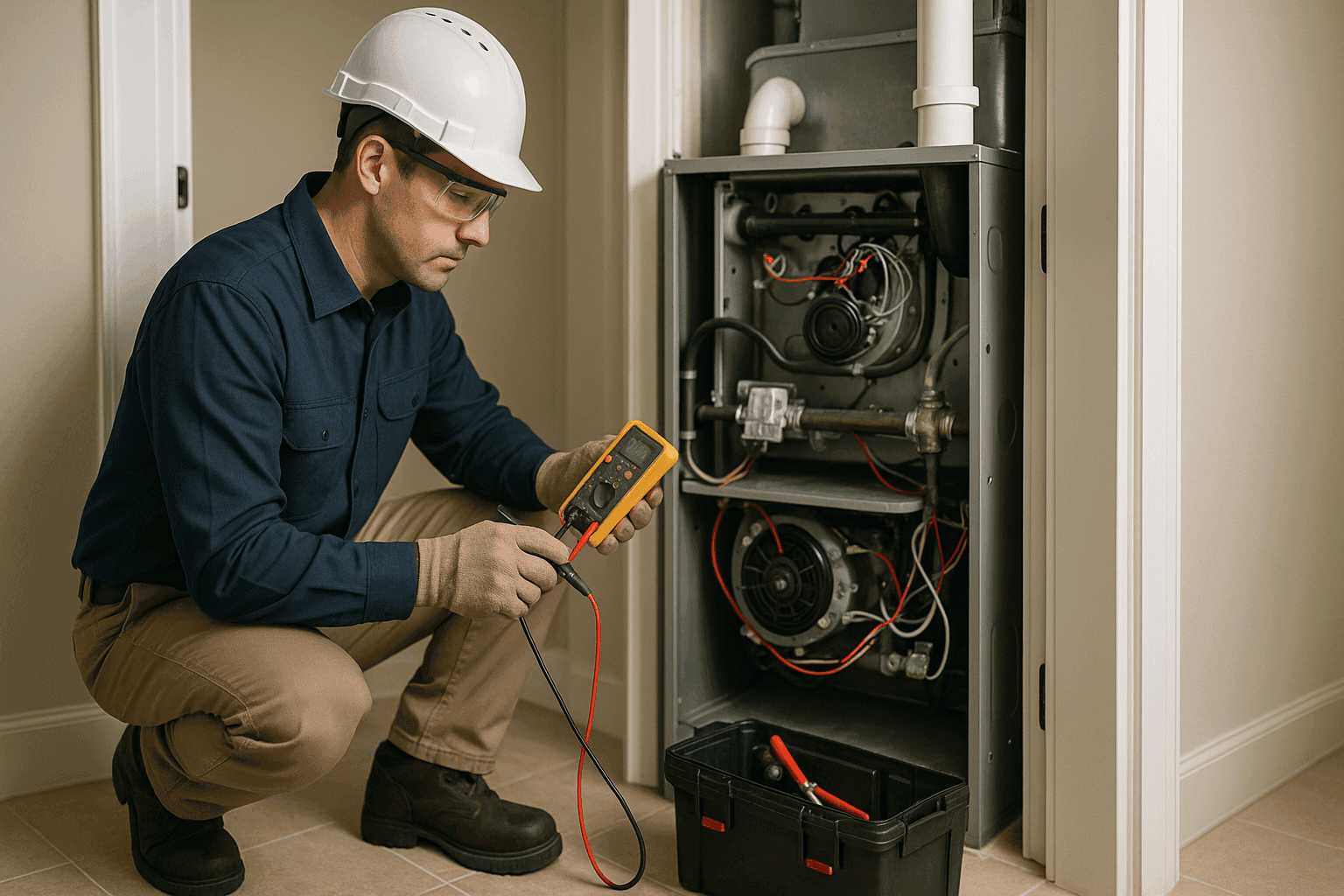
When the chill sneaks in, a broken heater can feel like a door left open in winter. Whether you’re managing a busy household or keeping a business cozy for customers, heating issues disrupt comfort, productivity, and safety. At Mavi HVAC, we know how stressful it is when your furnace or heat system falters—especially when you need it most.
Most heating repairs start with a few warning signs. Some are easy to spot, while others lurk quietly until bigger problems emerge. Knowing what to look (and listen) for helps you act quickly, prevent damage, and restore warmth fast.
Frequent Heating Problems 🛠️
Let’s break down the most common heating issues faced by homes and businesses. Some are gentle nudges—others demand swift attention.
1. Furnace Won’t Turn On
- Symptoms: No heat, silent system, thermostat unresponsive.
- Potential Causes: Tripped circuit breaker, dead thermostat batteries, blown fuse, safety switch engaged.
2. Uneven Heating
- Symptoms: Some rooms are toasty, others feel like walk-in freezers.
- Potential Causes: Dirty filters, blocked vents, leaky ductwork, incorrect air balancing.
3. Strange Noises
- Symptoms: Banging, rattling, or whistling from the unit.
- Potential Causes: Loose panels, worn blower bearings, expanding ducts, debris in the fan.
4. Short Cycling
- Symptoms: Heater turns on and off rapidly, never finishing a full cycle.
- Potential Causes: Dirty flame sensor, clogged filter, malfunctioning thermostat, oversized unit.
5. Weak or No Airflow
- Symptoms: Heater runs, but little or no air comes from vents.
- Potential Causes: Clogged filter, blower motor issues, blocked return duct.
6. Burning Smell or Odd Odors
- Symptoms: Acrid, dusty, or burning smell when system turns on.
- Potential Causes: Dust burning off after a long period, overheated components, electrical issues.
7. Constantly Running Blower
- Symptoms: Blower fan never shuts off, even when desired temperature is reached.
- Potential Causes: Fan set to “on” at thermostat, faulty limit switch.
DIY Troubleshooting Steps
Before you reach for the phone, there are a few safe, simple checks you can do yourself. Like checking if the light switch is flipped before changing a bulb—sometimes the fix is easier than you think.
- Check the Thermostat: Make sure it’s set to “heat” and the temperature is above the current room reading.
- Inspect Power Sources: Verify your system’s circuit breaker hasn’t tripped. Replace thermostat batteries if needed.
- Swap the Filter: A dirty filter is like a blocked nose—air can’t get through. Replace or clean it regularly.
- Look at Vents & Registers: Are they open and unblocked? Furniture, rugs, or dust can choke airflow.
- Reset the System: Some systems have a reset button—give it a gentle press after checking your manual.
Important: If you smell gas, hear electrical buzzing, or see smoke—leave the area and contact emergency services before calling for heating repair.
When to Call an Expert
There’s a line between handy homeowner and certified pro. Crossing it can risk safety, void warranties, or worsen the issue.
Call Mavi HVAC if:
- The system won’t turn on after basic checks
- You detect burning, electrical, or gas odors
- You hear loud, persistent banging or grinding
- There’s visible water, rust, or soot
- Short cycling doesn’t resolve after filter and thermostat checks
- Heating repair involves wiring, gas lines, or structural components
Licensed HVAC technicians follow strict safety codes (like those from the International Mechanical Code and NFPA) to keep your equipment—and your property—safe.
What Pro Technicians Do On Arrival
When you contact Mavi HVAC, here’s what happens next:
- Visual Inspection: Checking for signs of wear, corrosion, and loose connections.
- System Testing: Running the heater through cycles to spot irregularities.
- Code Compliance: Ensuring repairs meet current local and national safety standards.
- Component Diagnostics: Using meters and gauges to test electrical and gas systems.
- Clear Communication: Explaining findings and options before starting any repair.
We’re thorough because your safety and comfort come first.
Prevention & Maintenance
Just like oil changes keep cars running, regular heating maintenance heads off most breakdowns. Here’s what you can do:
- Replace filters every 1–3 months
- Schedule annual checkups with licensed HVAC pros
- Keep vents and returns dust-free
- Listen for new noises or odd smells
- Check thermostat programming at the start of each season
Routine care helps catch small problems before they grow—saving time, money, and chilly nights.
Costs & Time Factors
Repair costs depend on the issue, parts, and system age. Simple fixes (like thermostat adjustments or filter changes) can take minutes. More involved repairs—such as blower motor replacements or heat exchanger work—may take several hours.
Keep in mind:
- Older systems may need more frequent care or part replacements.
- Complex problems (like wiring, sensors, or gas valves) require certified handling.
Transparency matters. At Mavi HVAC, we explain the scope and options up front, so you know what to expect.
When It’s an Emergency
Some situations can’t wait:
- No heat during freezing temperatures
- Suspected carbon monoxide leaks (headaches, dizziness, or CO detector alarms)
- Major water leaks from the furnace
- Electrical burning smells or visible sparks
In these cases, shut off the system, leave the area, and contact emergency services. Then call for 24 hour emergency HVAC repair.
FAQ
What’s the most common cause of heating failure?
Clogged filters top the list. Dirty filters restrict airflow, overwork the blower, and can even cause the heat exchanger to overheat and shut down.
How often should I service my heating system?
At least once a year, ideally before heating season. This keeps it efficient and safe.
Is it okay to close vents to unused rooms?
Not always. Closing too many vents can increase pressure in your ducts and damage the system. Use with caution.
Can I use a space heater as a backup?
Temporarily, yes—but never leave it unattended and keep it away from flammable materials.
Local & Seasonal Considerations 🍂
Whether you’re prepping for a deep winter or a sudden cold snap, heating needs change with the seasons. In areas with high humidity, pairing your system with Dehumidifiers near you or air purifiers can improve comfort and indoor air quality. For commercial spaces, regular furnace repair keeps your business compliant and comfortable for staff and customers.
Heating repair isn’t just about staying warm—it’s about peace of mind, health, and safety for everyone under your roof.
Call Mavi HVAC now — or reach us anytime at 844-448-3453 .