Why Home Energy Audits Are Critical Before Major HVAC Upgrades
Is your home always too hot, too cold, or just never quite right? Thinking about that new AC or furnace, or maybe a whole-house air scrubber? Before jumping into a major HVAC upgrade, it’s smart to hit pause. There’s a secret step—one that could save you thousands and actually make your home feel comfortable year-round.
Let’s talk about home energy audits. At Mavi HVAC, we see it every week: families and businesses investing in powerful new systems, only to find out their real problem was leaky ducts or missing insulation. An energy audit is like turning on the headlights before you drive at night—you see the road ahead, avoid costly wrong turns, and get where you need to go.
Why Energy Audits Come First 🏠
Think of your building like a bucket. If it’s full of holes, pouring in more water (or in this case, a bigger HVAC system) won’t help much. Energy audits plug those holes first.
Here’s why an audit is the first step, not the last:
- Sizing: HVAC equipment isn’t “one size fits all.” An audit measures your actual needs, so you don’t overspend on an oversized furnace or underserve your space with a too-small AC. According to the U.S. Department of Energy, right-sizing is the #1 way to boost comfort and efficiency.
- Insulation and Air Leaks: Why pay to heat or cool the outdoors? Drafty windows, thin attic insulation, or hidden duct leaks waste more energy than old appliances. An audit locates these invisible money pits.
- Savings: Fixing the basics can cut energy bills by 5–30%—before you even touch your HVAC. That’s real money left in your wallet.
- Health and Safety: Poor ventilation means stale air and high humidity. That’s a recipe for mold, allergies, and even carbon monoxide risks. Audits boost indoor air quality and peace of mind.
Skip the audit, and you risk buying expensive equipment that fights an uphill battle. Get the audit, and your upgrades work smarter—not harder.
How Audits Guide HVAC Upgrades
You wouldn’t buy shoes without knowing your size. HVAC is no different. Here’s how a certified energy audit shapes your upgrade plan:
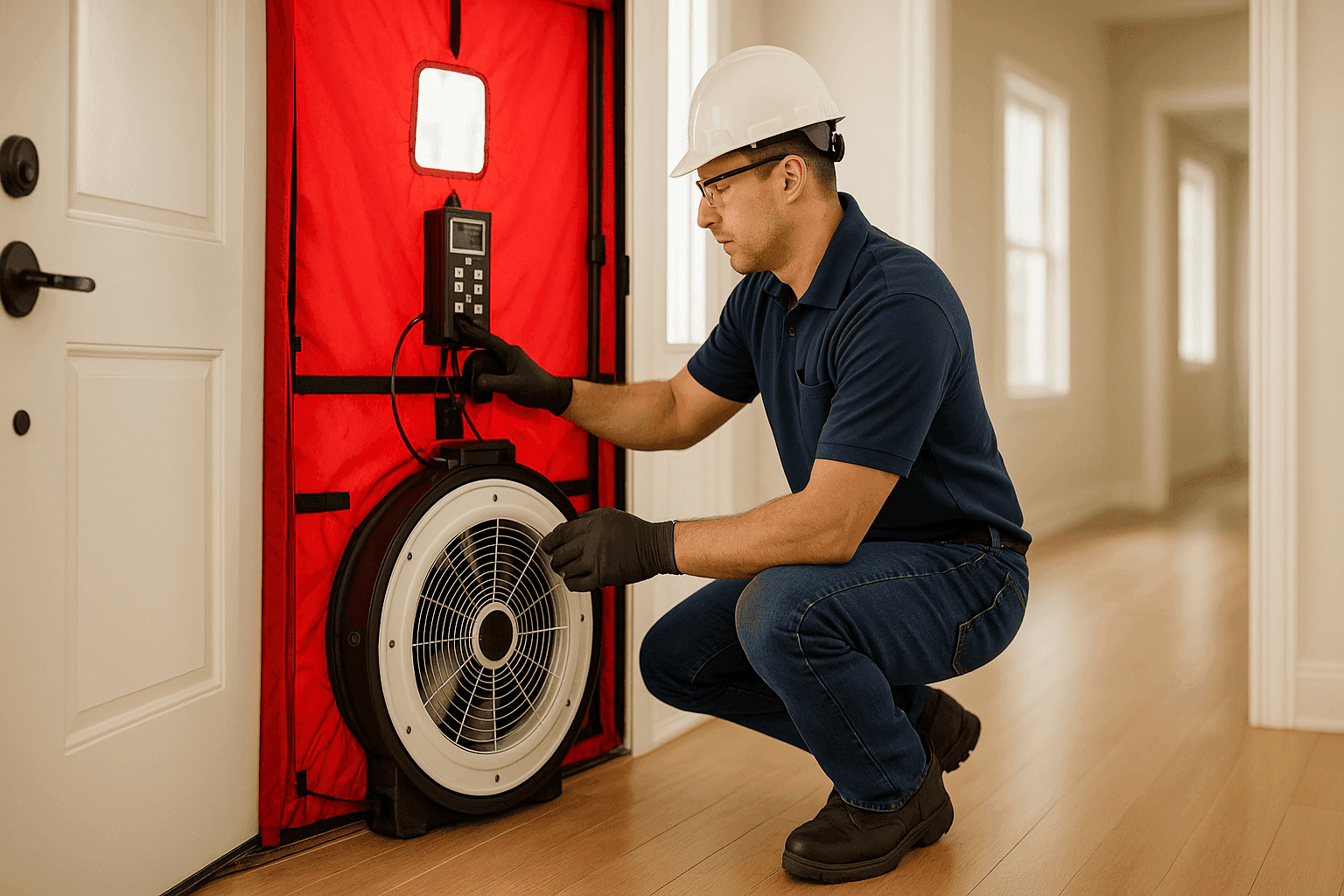
- Blower Door Test: This tool shows exactly how much air leaks in and out of your home. It’s like a stethoscope for your building’s “lungs.”
- Thermal Imaging: Infrared cameras spot where heat sneaks in or out. Walls, ceilings, and windows get checked for hidden gaps.
- Ductwork Review: Leaky ducts can lose 20–40% of your heated or cooled air. Auditors measure airflow and pressure to find weak spots.
- Insulation Inspection: Auditors check attics, walls, floors, and basements. Missing or compressed insulation shows up fast.
- System Assessment: Your current heating, AC, Dehumidifiers, and Ventilation systems are reviewed for efficiency, age, and safety.
- Custom Report: You’ll get a clear, written plan. It spells out what needs fixing first, which upgrades deliver the biggest return, and how to move forward—step by step.
This roadmap means no guesswork. You’ll know if you need a new HVAC installation, duct cleaning, or just a few simple upgrades.
What to Expect from Your Audit
Wondering what happens during a pro energy audit? Here’s what you’ll see, from start to finish:
- Walkthrough: Your auditor asks about cold spots, high bills, and comfort issues. Every space—basement to attic—is inspected.
- Testing: Equipment like blower doors, smoke pencils, and thermal cameras come out. It’s high-tech, but quick and non-invasive.
- Data Review: Numbers matter. Auditors check utility bills, square footage, and system age to create a full energy profile.
- Safety Checks: Combustion appliances are tested for backdrafts and carbon monoxide, following industry safety guidelines (like ASHRAE standards).
- Recommendations: You’ll receive a prioritized list—what to seal, insulate, repair, or replace. It’s ranked by impact and cost, so you can plan upgrades wisely.
Most audits take 2–4 hours for a typical home or small business. Larger buildings may run a bit longer.
Sizing, Insulation, and Savings: The Big Three
Let’s dig into the three pillars that every audit covers:
1. Sizing
Oversized HVAC units cycle on and off too often. That means wasted energy, uneven temperatures, and early breakdowns. Undersized systems just can’t keep up. Audits use Manual J calculations (the gold standard) to get it right.
2. Insulation
Think of insulation as a warm winter coat for your home. Not enough? You’ll always feel the draft. Audits show where to add or upgrade, following U.S. Department of Energy recommendations for your region.
3. Savings
Energy audits pay for themselves. By sealing leaks and adding insulation, utility bills drop. According to ENERGY STAR, a properly sealed and insulated home can save an average of 15% on heating and cooling costs.
Choosing Certified Professionals
Not all audits are created equal. At Mavi HVAC, our auditors are certified by organizations like BPI (Building Performance Institute) and RESNET. They follow strict standards—no guesswork, no shortcuts.
A professional audit isn’t just a checklist. It’s a science-backed process designed to keep your family safe and comfortable, while protecting your investment in new HVAC equipment.
Real-World Tips for Homeowners and Businesses
- Always ask for credentials. Certified auditors mean accurate results.
- Schedule audits before major renovations, not after.
- Keep audit reports handy for future upgrades—especially if you plan to sell.
- Consider “Dehumidifiers near you” or “Whole-house fans” as part of your improvement plan for indoor air quality.
Ready to Get Started?
If you’re thinking about any major HVAC upgrade—AC, furnace, heat pump, or even Geothermal—start with a professional home energy audit from Mavi HVAC. You’ll get a clear plan, honest answers, and real savings.
Call Mavi HVAC now — or reach us anytime at 844-448-3453 .