Home Energy Audits: What They Are and How They Save You Money
Is your home or business leaking money through the walls, windows, or ceiling? Every draft, uneven room temperature, or unexplained spike in your electric bill could be a clue. Most people have no idea just how much energy (and comfort) they’re losing—until the proof shows up in dollars and cents.
At Mavi HVAC, we help you uncover those hidden problems. A home energy audit is like giving your building a health checkup. It’s not just about saving money (though you will). It’s about making your space healthier, cozier, and smarter for the long haul.
What Is a Home Energy Audit? 🔎
Think of a home energy audit as detective work for your property. Instead of searching for clues to a crime, we look for places where energy slips away unnoticed. We use specialized tools—not just a keen eye—to measure, test, and analyze how your home or business uses power.
Some folks imagine an energy audit is just a quick walk-through. In reality, it’s a deep dive. Certified auditors from Mavi HVAC investigate everything from attic insulation to the age of your furnace. The goal? Find out where you’re wasting energy and how to fix it, often with simple changes that pay you back over time.
The Typical Audit Process
- Initial Consultation: We talk about your energy concerns, comfort issues, and recent utility bills.
- Exterior Inspection: Checking windows, doors, rooflines, and siding for visible gaps or wear.
- Interior Assessment: Looking at insulation, HVAC systems, ductwork, and ventilation.
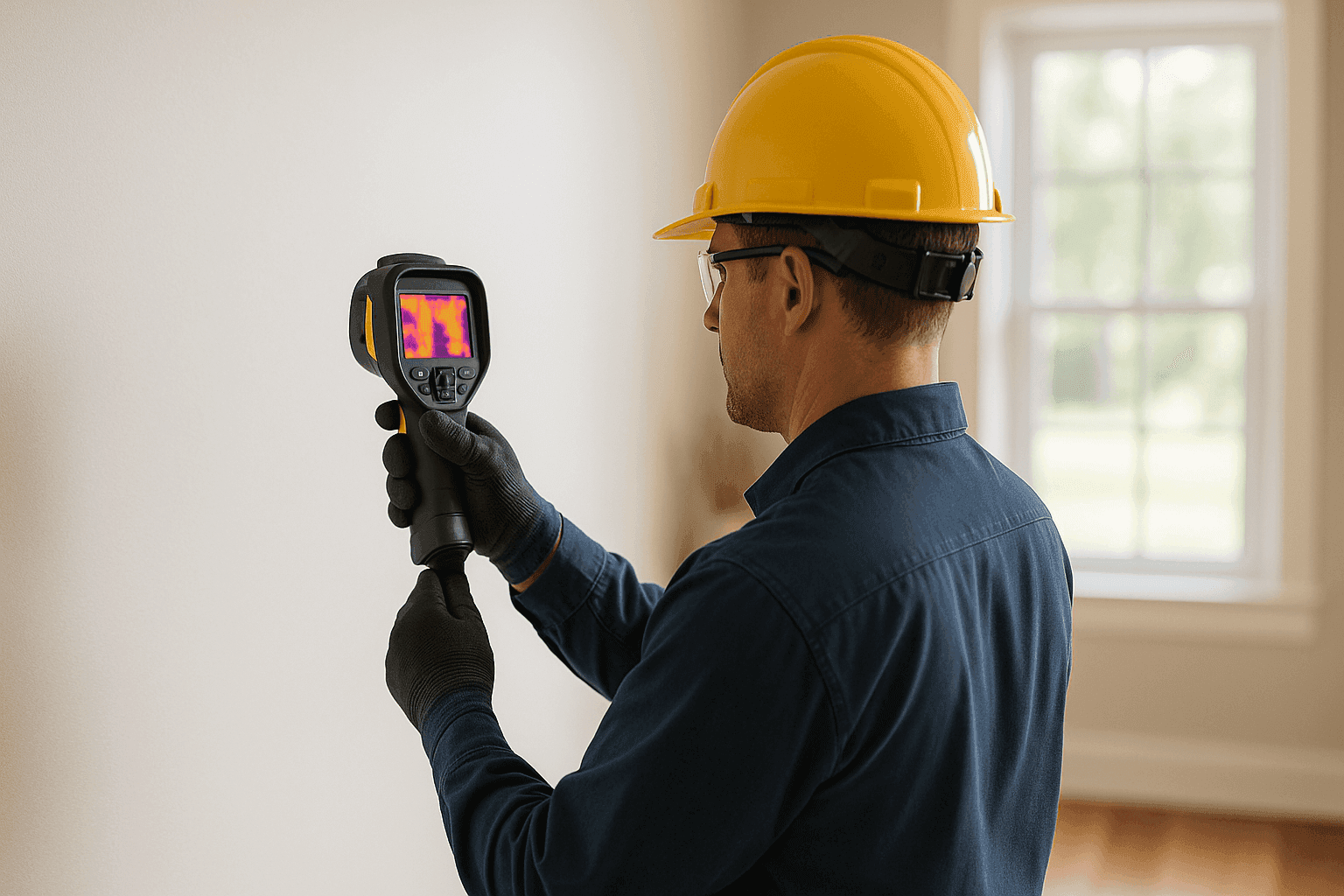
- Diagnostic Testing: Using blower doors (to find air leaks) and infrared cameras (to spot hidden hot or cold spots).
- Review and Report: You get easy-to-understand recommendations, ranked by cost and impact.
This process follows guidelines from the U.S. Department of Energy and Building Performance Institute (BPI), so you know it’s thorough and safe.
Key Areas Assessed
During a home energy audit, Mavi HVAC focuses on the places that matter most for comfort and efficiency:
- Insulation: Gaps in the attic or walls are like holes in a winter coat—heat escapes fast.
- Windows & Doors: Old seals or loose frames can bleed energy.
- HVAC Systems: Outdated or poorly maintained units run harder and cost more.
- Ductwork: Leaky ducts can lose up to 30% of heated or cooled air before it reaches your rooms.
- Ventilation & Air Quality: Poor airflow means stale air, humidity problems, or even mold.
- Lighting & Appliances: Inefficient bulbs and outdated appliances can quietly drain your power.
Our team uses tools like thermal cameras, manometers, and smoke pencils. These help us spot problems you can’t see or feel. For those concerned about air quality, we may also recommend indoor air quality testing.
Common Findings
- Drafty rooms or cold floors
- Excessive dust or humidity (hinting at ventilation issues)
- High energy bills with little comfort to show for it
- HVAC systems cycling on and off too often
How Audits Lower Bills (and Boost Comfort)
A home energy audit is an investment that pays you back. Here’s how:
- Pinpointing Problems: You stop guessing and start fixing what really matters.
- Prioritizing Upgrades: Not all changes cost a fortune. Sealing a few leaks, adding insulation, or cleaning ducts can make a major difference.
- Reducing Waste: Your HVAC system works smarter, not harder—cutting both energy use and wear.
- Improving Comfort: No more hot upstairs, freezing downstairs, or allergy flare-ups.
The U.S. Department of Energy estimates that typical homeowners can reduce utility bills by 5–30% with recommended upgrades after an audit. That’s money back in your pocket month after month.
Why Certified Auditors Matter
Anyone can say they spot drafts—but only certified professionals have the training and equipment for a real audit. Mavi HVAC’s team follows strict guidelines from the Building Performance Institute (BPI) and North American Technician Excellence (NATE). That means accurate results, honest advice, and safe recommendations every time.
Real-World Results: Audits That Pay Off
We’ve seen families save hundreds each year, just by sealing ducts and upgrading thermostat controls. One local business cut their heating bill by 20% after our audit found an insulation gap above a drop ceiling. These fixes aren’t just “nice to have.” They’re often quick, affordable, and add up fast.
Practical Tips to Prep for an Energy Audit
Want to get the most from your audit? Here’s how to prepare:
- Make a list of comfort issues (drafty rooms, uneven temps, allergy symptoms).
- Gather your last 12 months of utility bills.
- Clear access to attic, crawl spaces, and major appliances.
- Note any recent changes (new windows, roof, major repairs).
Why Not Just DIY?
You can spot obvious gaps or drafty windows, but the real energy drains are often hidden. Tools like blower doors, thermal cameras, and duct testers aren’t found in the average toolkit.
A professional audit from Mavi HVAC means:
- Precision (no guesswork)
- Safety (following proper codes)
- A plan that fits your budget and needs
What Happens After the Audit?
Once you have your report, you decide what to tackle first. Sometimes it’s as easy as replacing weatherstripping or scheduling hvac maintenance. Other times, it might mean adding insulation or upgrading to a high-efficiency furnace. Either way, every improvement adds up.
Frequently Asked Questions
How long does an energy audit take?
Most residential audits take 2–4 hours, depending on the size of your home.
Will it disrupt my day?
We work quickly and cleanly. You can go about your routine—just provide access to key areas.
Is it only for older buildings?
No. Even new homes can have hidden leaks, poor insulation, or ventilation issues.
How soon will I see savings?
Many upgrades pay off in the next utility cycle, especially with simple fixes like duct sealing or filter changes.
Local and Seasonal Considerations
Whether it’s a humid summer or a freezing winter, local weather plays a huge role in your comfort and your bills. Dehumidifiers near you, whole-house fans, and proper ventilation become even more important during peak seasons. Mavi HVAC tailors every audit to your climate and building type, so your solutions actually work—no matter the season.
Ready to stop energy leaks and start saving? Call Mavi HVAC now — or reach us anytime at 844-448-3453 .