The Homeowner’s Guide to Thermostats: Smart, Programmable, and Manual Options
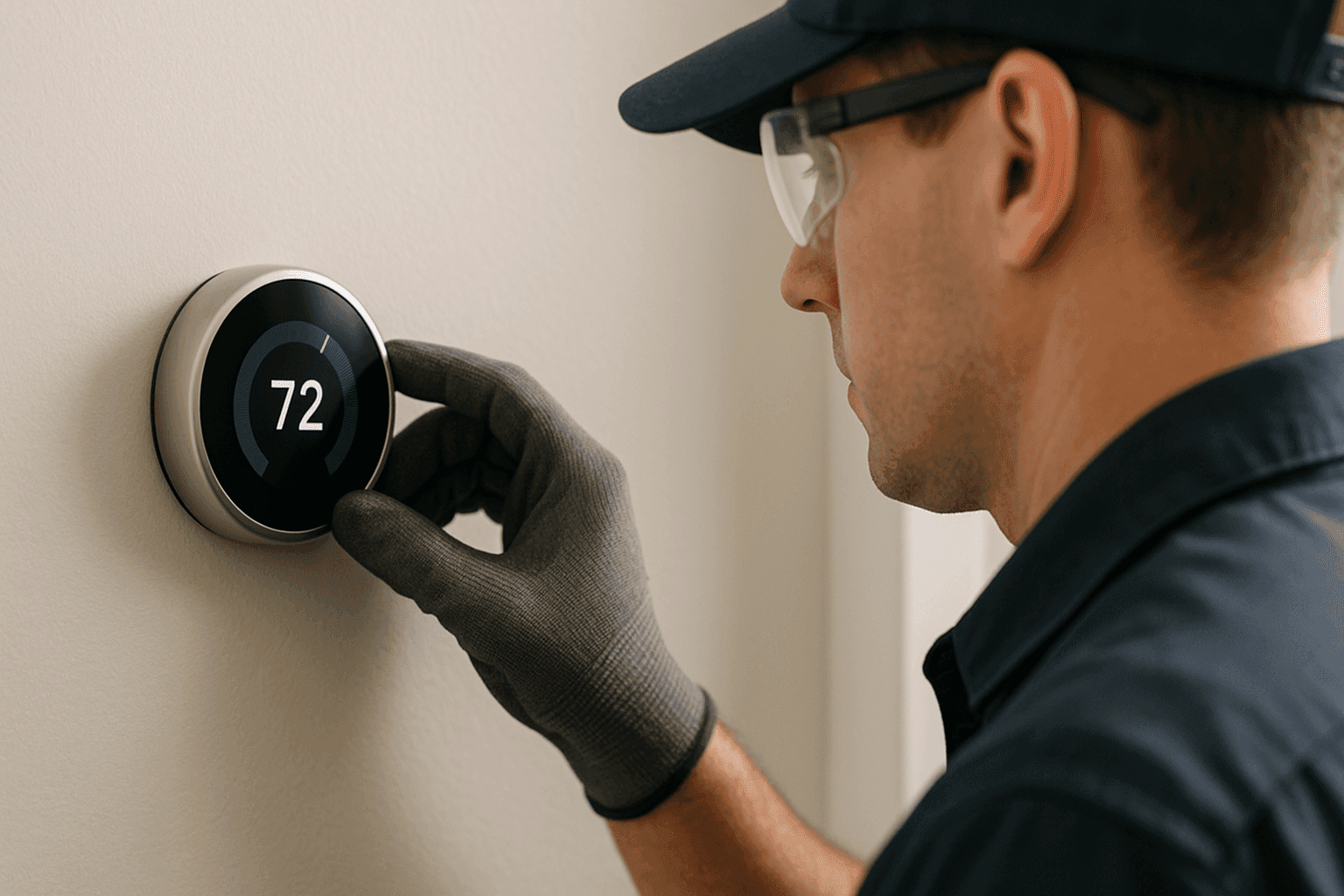
Is your home too cold in the morning, but stuffy by noon? Maybe your energy bill feels higher than it should. The humble thermostat is often the silent hero (or culprit) behind home comfort and efficiency.
At Mavi HVAC, we help homeowners and businesses sort through thermostat confusion every day. The right thermostat can mean the difference between a cozy, efficient space and one that’s always just a little off.
Types of Thermostats
Thermostats come in more flavors than ice cream. Each has its own perks—and its quirks. Let’s break them down:
Manual Thermostats
Think of these as the classic “turn the dial” models. Reliable, sturdy, and simple.
Pros:
- No learning curve—just set and forget.
- Generally inexpensive.
- Fewer parts to break down.
Cons:
- No energy-saving features.
- Requires manual adjustment throughout the day.
- Can lead to inconsistent comfort.
Programmable Thermostats
Imagine setting your home’s climate on autopilot. Programmable thermostats let you create schedules based on your daily routine.
Pros:
- Set it for weekday and weekend schedules.
- Save energy when no one’s home.
- Some models offer multiple daily settings.
Cons:
- Requires setup and programming.
- Older models can be tricky to reprogram.
- Schedules stay the same unless you change them.
Smart Thermostats 🏠
These are the “brains” of climate control. They connect to Wi-Fi, learn your habits, and even let you adjust the temperature from your phone.
Pros:
- Remote control and monitoring via smartphone apps.
- Can learn your schedule and adjust automatically.
- Offer energy use reports and reminders.
- Some models integrate with home assistants (like Alexa or Google Home).
Cons:
- Higher upfront cost.
- Needs a steady Wi-Fi connection.
- Installation can be more complex, especially in older homes.
Compatibility Checks
Before falling for a new thermostat, make sure it “speaks the language” of your HVAC system.
- Check wiring: Older systems may not have the “C-wire” needed for smart thermostats.
- System type: Heat pump? Multi-stage furnace? Not all models support every system.
- Voltage: High-voltage (line voltage) systems need specialized thermostats.
If you’re unsure, an HVAC pro (like Mavi HVAC) can review your setup and recommend the right fit. See our thermostat installation service for more info.
Benefits of Upgrading
Why bother swapping out your old thermostat? Here’s what homeowners and business managers gain:
- Energy Savings: According to the U.S. Department of Energy, you can save up to 10% a year on heating and cooling by dialing back 7–10°F for 8 hours a day with a programmable thermostat.
- Consistent Comfort: No more waking up to a cold house or sweating through the afternoon.
- Remote Control: Adjust temps from the couch—or from another state.
- Maintenance Reminders: Get alerts when it’s time to change filters or schedule service.
- Better Air Quality: Some smart models can trigger Dehumidifiers near you or air cleaners when humidity or pollution spikes.
Upgrade Incentives 💡
- Many utility companies offer rebates for upgrading to ENERGY STAR® smart thermostats.
- Improved home value and appeal for buyers who want modern, efficient systems.
- Potential insurance discounts for homes with smart automation.
Installation and Setup Tips
A thermostat swap might seem simple. Sometimes it is. Other times, it’s like trying to fit a square peg into a round hole. Here’s what you need to know:
Safety First
- Turn off power: Always shut down your HVAC system at the breaker before touching wires.
- Label wires: Take a photo of your old thermostat’s wiring before disconnecting.
- Check for voltage: Only low-voltage systems (24V) are safe for DIY installs.
Professional Installation
- Certified HVAC technicians ensure safe wiring and code compliance.
- We check for compatibility with advanced HVAC systems, like multi-stage furnaces or geothermal units.
- Professional setup means all features work as intended—from filter reminders to integration with Dehumidifiers near you.
Setup Tips
- For programmable models, set schedules that match your real life. Don’t just use the default.
- For smart thermostats, connect to Wi-Fi and enable security features.
- Regularly update the app and firmware for security and new features.
Learn more about installation with our HVAC installation service.
Pros and Cons: At a Glance
- Manual: Simple, but no savings.
- Programmable: Saves energy, but can be rigid.
- Smart: Most flexible and efficient, but pricier and requires tech setup.
Certified Installations & Energy Savings
Why let a pro handle it? Here’s what you get with certified installation from Mavi HVAC:
- Code-compliant wiring (following local electrical and HVAC safety guidelines).
- Proper calibration for accurate temperature sensing.
- Integration with your AC, furnace, or even whole-home IAQ systems.
- Guidance on using your new thermostat for peak efficiency.
A correctly installed and programmed thermostat protects your system—reducing wear, preventing breakdowns, and maximizing comfort.
Selecting the Right Thermostat for Your Needs
How do you decide? Ask yourself:
- Do you want to “set it and forget it,” or control your home from your phone?
- Is your home empty for long stretches during the day?
- Are you planning to upgrade your HVAC system soon?
- Do you want to integrate with air quality systems or smart home devices?
If you’re still not sure, our team can help you weigh your needs and budget.
FAQ: Thermostats
Q: Can I install a smart thermostat myself?
A: Sometimes. If your system has the right wiring and you’re comfortable with basic electrical work, it’s possible. But many homes require an extra wire or adapter—best checked by a certified HVAC installer.
Q: Will a smart thermostat work with my old furnace or AC?
A: Often, yes—but not always. Check compatibility, especially if your system is more than 10–15 years old.
Q: How much can I really save?
A: The Department of Energy says up to 10% per year with proper use. Your results may vary depending on habits and equipment.
Q: Does a new thermostat affect indoor air quality?
A: Indirectly. Some models integrate with Dehumidifiers near you or air cleaners, optimizing both comfort and air quality.
Local & Seasonal Considerations 🌦️
Wherever you live, seasons change—and so do thermostat needs.
- Winter: Program lower temps overnight for savings, but avoid swings that stress your furnace.
- Summer: Allow the house to warm slightly while you’re away.
- Humidity: Pair your thermostat with IAQ systems or Dehumidifiers near you for year-round comfort.
- Extreme climates: Consider Wi-Fi models to make adjustments remotely if you travel.
Stay aware of local building codes and safety standards. The Environmental Protection Agency (EPA) and ENERGY STAR® both provide guidance on efficient thermostat use.
Ready to take control of your comfort—and start saving?
Call Mavi HVAC now — or reach us anytime at 844-448-3453 .