Hood & Exhaust Installation: Compliance, Safety, and Efficiency Best Practices
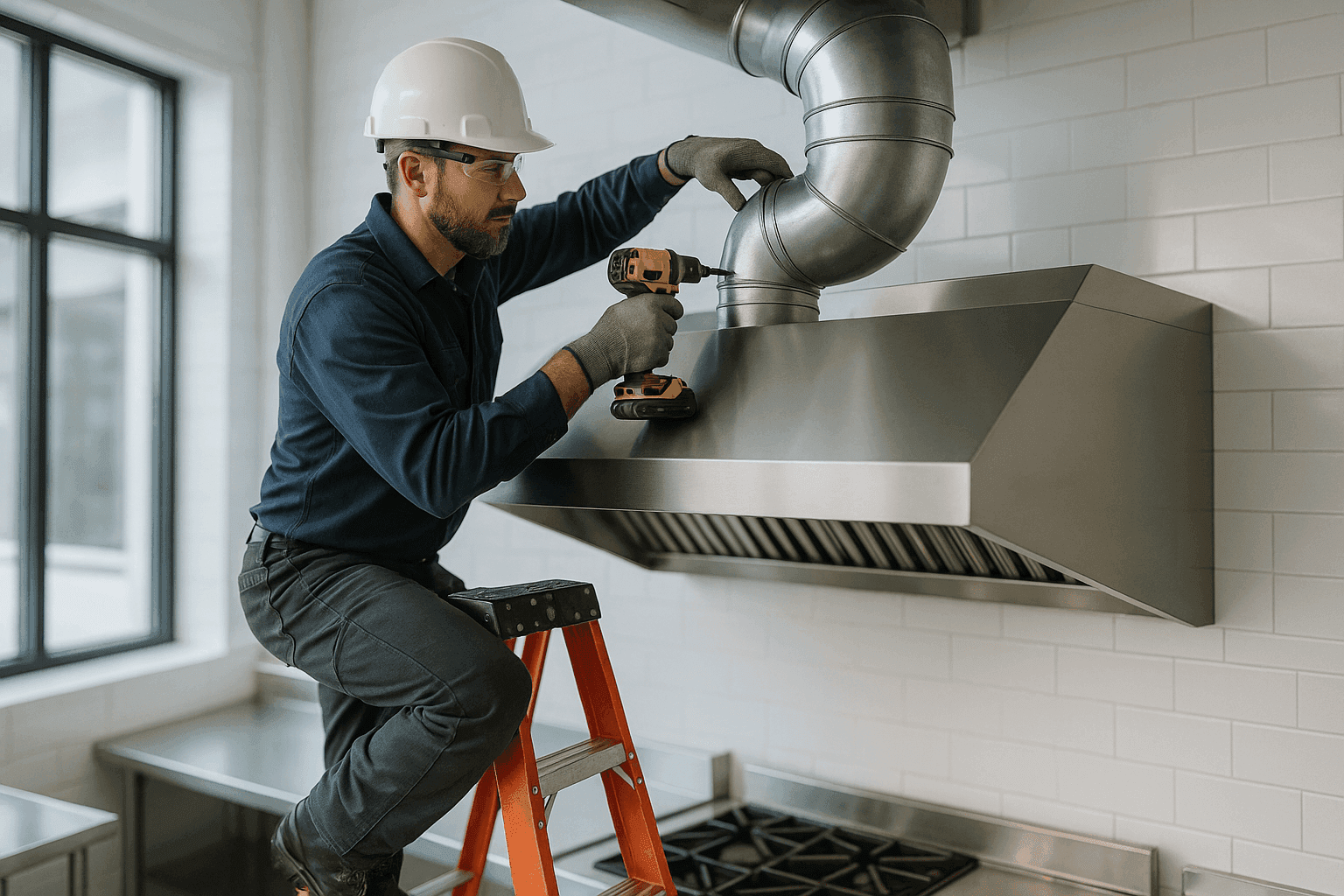
Is your kitchen or workspace filled with smoky air that never seems to clear? Or maybe you’ve noticed grease building up above your cooktop, no matter how much you clean. A properly installed hood and exhaust system isn’t just a luxury—it’s mission-critical for health, safety, and peace of mind.
At Mavi HVAC, we know a well-installed hood and exhaust system is like a reliable heartbeat for your home or business. It keeps everything running clean and steady, day after day. Let’s walk through what you really need to know—no fluff, just practical steps and real standards.
Understanding Exhaust System Codes 🛠️
Exhaust systems do more than just whisk away fumes. They’re a vital link in your building’s safety chain. But with so many codes and regulations, it’s easy to feel lost.
What the Codes Cover
- National Fire Protection Association (NFPA 96): Sets the national standard for ventilation control and fire protection of commercial cooking operations.
- International Mechanical Code (IMC): Outlines ventilation requirements for both residential and commercial spaces.
- Local Building Codes: Always check your city or county’s requirements—these can add extra demands for fire safety, clearances, ductwork, and more.
Why Codes Matter
Imagine your exhaust system as a city highway: If it’s blocked or poorly designed, everything backs up. Codes are there to prevent dangerous “traffic jams” of smoke, heat, and grease, which can lead to fires or poor indoor air quality.
Checklist: Is Your System Up to Code?
- Hood size matches stove or appliance size
- Ductwork is made of approved materials (often sheet metal)
- Proper clearances from combustible materials
- Grease filters in place and accessible
- Fire suppression system (where required)
- Airflow rates meet code minimums
Ignoring codes can mean costly rework—or worse, safety hazards. Always check with a certified installer who understands both national and local requirements.
Safe Installation Practices
Getting it right takes more than a wrench and some duct tape. Safe installation is about details, sequence, and careful measurement.
Key Steps to a Safe Install
- Accurate Placement: Hoods must be centered over appliances and mounted at correct heights (usually 24–30 inches above the cooking surface).
- Secure Mounting: Use appropriate fasteners for wall or ceiling type.
- Duct Sizing and Routing: Smooth, straight ductwork made from heavy-gauge sheet metal keeps airflow strong and reduces fire risk.
- Sealing Joints: All seams and joints must be sealed to prevent leaks—think of it like patching every hole in a garden hose.
- Electrical and Fire Safety: Integrate shut-off switches and, when required, tie into fire suppression systems.
Common Pitfalls to Avoid
- Using flexible or plastic ductwork (never allowed for most hood installations)
- Ignoring proper slope for grease flow
- Undersized ducting that chokes airflow
- Forgetting to install makeup air for larger systems
- Skipping permits or inspections
Professional installers follow a checklist for every project. It’s not just about getting it done—it’s about getting it safe.
Maintaining Efficiency
A great installation is just the beginning. Like a car, your exhaust system needs regular care to stay efficient and safe.
Efficiency Checklist
- Clean grease filters monthly (or more often for heavy use)
- Inspect ductwork for buildup every 6–12 months
- Replace worn gaskets and seals promptly
- Test airflow rates annually
- Schedule professional maintenance to check for hidden issues
Regular upkeep saves money on energy bills and extends the life of your equipment. Plus, it keeps your indoor air quality crisp and healthy—something every family and employee deserves.
Compliance & Safety Quick Checklist
- [ ] Hood size and placement meet code
- [ ] Ductwork is approved material and properly sized
- [ ] All joints are sealed (no leaks)
- [ ] Grease filters are accessible and cleanable
- [ ] Fire suppression in place where needed
- [ ] System has been inspected and approved
Missing any item above? Time to act.
DIY vs. Call a Pro
Installing a hood might look easy on TV, but in reality, it’s like threading a needle in a thunderstorm.
DIY is only safe for basic filter swaps or cleaning. Anything involving ductwork, electrical, or code compliance should be left to professionals. Why? Because certified installers use specialized tools, understand airflow calculations, and know how to spot hazards before they become disasters.
Plus, professional installation is often required by insurance or local law. It’s not just about “doing it right”—it’s about protecting your investment and everyone inside your building.
Want to learn more about proper ventilation? Check out our ventallation service.
What Pros Do On Arrival
When a Mavi HVAC technician steps through your door, here’s what happens:
- Survey the Space: Measure and assess your appliances, room size, and existing venting.
- Check Code Requirements: Confirm local and national code compliance.
- Plan Duct Routing: Choose sheet metal paths that minimize bends and maximize airflow.
- Install with Precision: Secure hoods, run ductwork, seal joints, and connect electrical/fire suppression systems.
- Test and Inspect: Run airflow and safety tests, then explain how your system works.
This methodical approach ensures every box is checked—for safety, efficiency, and peace of mind.
Prevention & Maintenance
Think of maintenance like brushing your teeth: skip it, and problems build up fast.
Pro Tips for Ongoing Care
- Clean filters on a set schedule
- Keep an eye on airflow (listen for odd noises or weak suction)
- Book annual checkups with an HVAC professional
- If you notice smoke backing up or odd odors, call for service right away
Regular maintenance can catch small issues before they turn into big (expensive) headaches.
Looking for more ways to improve your indoor air quality? See our hood and exhaust installation page.
Costs & Time Factors
Cost and timing depend on your setup—but here’s what to expect:
- Simple Residential Install: Usually completed in a single day.
- Commercial or Complex Projects: 2–3 days (or more) for large-scale ducting, custom sheet metal, or fire suppression integration.
- Main Cost Factors: Hood size/type, duct length, sheet metal work, complexity of routing, need for electrical/fire system tie-ins, and local permit fees.
Permits and inspections can add time, but skipping them is never worth the risk.
When It’s an Emergency
If you smell smoke, see sparks, or your exhaust stops working during business hours, it’s not something to “wait and see.” Stop using appliances, evacuate if needed, and call for 24-hour emergency HVAC service immediately.
Mavi HVAC offers prompt, around-the-clock support for urgent repairs. Your safety comes first.
FAQ
Do I need a professional for installation?
Yes. Certified installers ensure your system is safe, efficient, and code-compliant—which is often required by law and insurance.
How often should I clean my hood and exhaust filters?
For most kitchens, monthly cleaning is recommended. Heavy commercial use may require weekly cleaning.
Can I use flexible ducting for my hood?
No. Most codes require rigid sheet metal ductwork for hoods and exhausts to resist fire and maximize airflow.
What’s the biggest mistake in hood installation?
Skimping on duct size or number of elbows, which restricts airflow and increases fire risk.
Local & Seasonal Considerations 🌦️
Colder climates may require insulated ducts to prevent condensation and freezing. In humid regions, regular filter cleaning is even more important to avoid mold growth. Always check with your local building authority or a certified HVAC installer for area-specific rules.
Final Thoughts
A hood and exhaust system is more than a box and a fan—it’s a shield against fire, poor air, and costly repairs. When installed and maintained properly, it works silently in the background, protecting your property and everyone inside.
Ready to upgrade your safety and air quality?
Call Mavi HVAC now — or reach us anytime at 844-448-3453 .