How Often Should You Change Your HVAC Filter? A Simple Guide
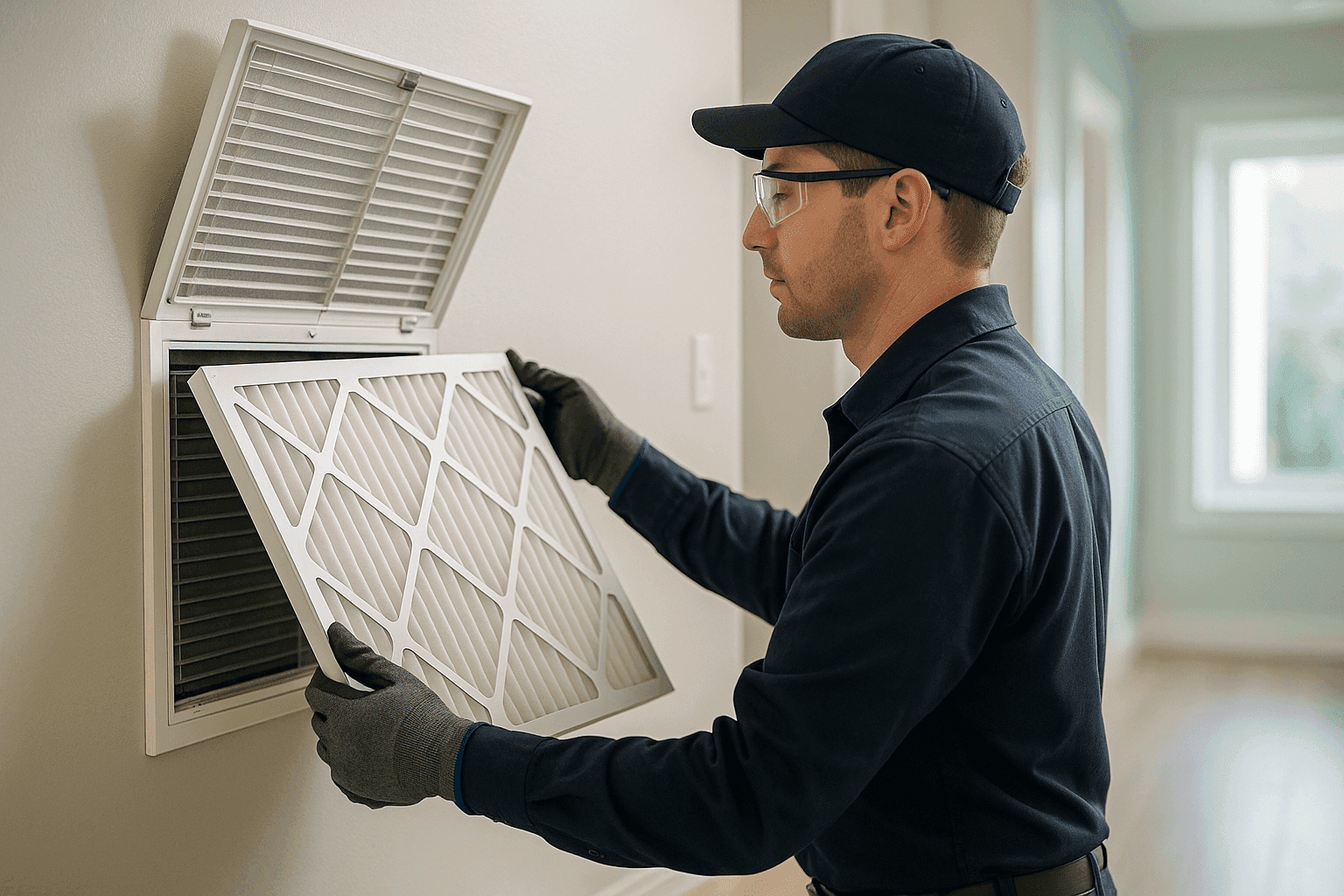
Breathing easy starts with something simple: a clean HVAC filter. But with everything else on your plate, it’s easy to forget this small but mighty task. You might not even notice a problem until your allergies flare up or your energy bills spike.
At Mavi HVAC, we’ve helped countless homeowners and businesses get their air—and their comfort—back on track with a quick filter change. Let’s break down how often you should swap yours, why it matters, and how to do it right.
Why Filter Changes Matter 🛑
Your HVAC filter is more than just a piece of fabric or pleated paper. It’s like the goalie in your indoor air game, blocking dust, pollen, pet hair, and even smaller particles before they can circle through your home or office.
A clogged filter is like a traffic jam for air. Here’s what can happen:
- Restricted airflow: Your system has to work harder, using more energy and risking wear.
- Poor indoor air quality (IAQ): Dust, allergens, and pollutants build up, agitating allergies and asthma.
- Frozen coils or overheating: Blocked airflow can damage key HVAC components.
- Shorter system lifespan: Overworked systems break down faster.
The U.S. Environmental Protection Agency (EPA) and most manufacturers recommend regular filter changes to keep airflow steady and indoor air healthier. That’s not just good advice—it’s essential for homes and businesses alike.
How Often to Change Filters
There’s no magic number for everyone, but here’s what most manufacturers and the EPA suggest:
- 1-inch disposable filters: Change every 1–3 months.
- 3–5-inch media filters: Usually last 6–12 months.
- HEPA and specialty filters: Check the packaging—some last up to a year, but always inspect monthly.
But wait—your schedule might need tweaking. Here’s why:
Factors That Affect Filter Life
- Pets: Have a dog or cat? Hair and dander fill filters fast. Change monthly.
- Allergies or asthma: Sensitive to dust or pollen? Change monthly, year-round.
- High traffic: Lots of guests, employees, or kids? More movement means more airborne particles.
- Renovations: Dust from construction? Change immediately after work is done.
- Location: Areas with lots of pollen or pollution (even “Dehumidifiers near you” zones) need more frequent swaps.
- Fan usage: If your system runs fan mode often, the filter works harder.
Quick Reference Guide
- Standard home, no pets or allergies: Every 2–3 months.
- With pets or sensitive occupants: Every month.
- Commercial spaces: Often monthly, but always check during routine HVAC maintenance.
How to Replace Your Filter
Changing your HVAC filter is as easy as flipping a page in a book. Here’s how you do it:
- Turn off your system: Safety first—switch off heating or cooling.
- Locate the filter: Usually behind a return air grille or inside the furnace/air handler.
- Check the size: Printed on the filter’s edge (e.g., 16x25x1). Match it exactly.
- Remove the old filter: Pull straight out. If it’s gray and dusty, it’s overdue!
- Insert the new filter: Arrows should point in the direction of airflow (toward the blower motor).
- Secure the panel: Make sure everything’s snug and sealed.
- Power up: Turn your HVAC back on and enjoy fresher air.
If you’re not sure where your filter is, or it’s tough to reach, don’t sweat it. Our filters and maintenance team can help.
Types of HVAC Filters
Not all filters are created equal. Let’s break down the basics:
- Fiberglass: Cheap, disposable, good for large particles. Needs frequent changes.
- Pleated: Traps more particles, lasts longer, better for IAQ.
- Electrostatic: Uses static electricity to capture dust. Washable or disposable.
- HEPA: High-Efficiency Particulate Air—captures tiny particles, great for allergy sufferers.
- Carbon: Reduces odors and VOCs, often paired with pleated filters.
Check the Minimum Efficiency Reporting Value (MERV) rating. Higher MERV = finer filtration, but don’t exceed your system’s recommendation—too high can restrict airflow.
Health Impacts of Dirty Filters
A dirty filter does more than slow down your HVAC. It lets in the invisible stuff—mold spores, bacteria, fine dust—that can trigger allergies, asthma, and even headaches.
The EPA reports that indoor air can be 2–5 times more polluted than outdoor air. Regular filter changes are a frontline defense, especially for kids, seniors, and anyone with breathing issues.
If you notice more dust, persistent sneezing, or musty smells, check your filter. It’s a small fix with a big impact.
Practical Tips for Filter Maintenance 🗓️
- Set a reminder: Mark your calendar or set a phone alert for filter checks.
- Stock up: Keep a spare filter or two on hand.
- Inspect monthly: Even if your filter says “3 months,” peek inside monthly—especially during peak seasons.
- Schedule routine HVAC maintenance: Pros will inspect and replace filters as part of the service.
When to Call a Pro
DIY is great, but call Mavi HVAC if:
- You can’t locate your filter.
- The filter is stuck or damaged.
- You see mold, water stains, or odd smells.
- Your system is still struggling after a filter change.
We’ll check your system, suggest the right filter, and make sure everything flows smoothly.
Citing the Pros
We follow guidance from:
- EPA (epa.gov): Air filter and indoor air quality recommendations.
- ASHRAE: American Society of Heating, Refrigerating and Air-Conditioning Engineers.
- Manufacturer guidelines: Always read your HVAC manual for best practices.
Frequently Asked Questions
How do I know if my filter needs changing?
If it looks gray, dusty, or you can’t see light through it, it’s time.
Can I reuse a disposable filter?
No—always replace disposable filters. Only washable filters (usually labeled as such) are reusable.
Does a higher MERV rating mean better air?
Yes, but only up to your system’s limit. Too high can reduce airflow. Check your manual.
Will changing my filter lower energy bills?
Absolutely. Clean filters help your HVAC “breathe” easier, which means less work—and less energy used.
Local & Seasonal Considerations 🌦️
- Spring/Fall: Pollen surges mean check filters monthly.
- Winter: Heating season—watch for trapped dust and pet hair.
- Summer: If you’re running AC nonstop, change more often.
- Construction or wildfire smoke: Check and change immediately after air quality events.
Whether you’re at home or running a business, filter changes are the fastest way to freshen up your air and protect your investment.
Call Mavi HVAC now — or reach us anytime at 844-448-3453 .