How to Improve Indoor Air Quality in Older Homes
Owning an older home is a bit like living with a grandparent. Full of character. Packed with stories. But sometimes, those old bones hide secrets—like musty smells and stubborn dust that just won’t quit. If your air feels stale or you notice lingering odors, you’re not alone.
At Mavi HVAC, we help homeowners and businesses breathe easier in vintage spaces every day. With decades of combined experience, our team knows how to bring older homes up to modern indoor air quality (IAQ) standards—without losing their charm.
Common IAQ Problems in Older Homes 🏚️
Older homes often carry a unique scent—a blend of history, wood, and sometimes, less-welcome elements. Here’s what typically affects the air quality:
- Dust Buildup: Decades of life can leave layers of dust in hidden places. Behind baseboards, inside ductwork, and above ceiling tiles are just a start.
- Mold and Mildew: Leaky basements, attic condensation, and ancient pipes create perfect breeding grounds for mold, which releases spores into the air.
- Outdated Materials: Lead paint, asbestos insulation, and old glues can linger, releasing microscopic particles or gases into your breathing space.
- Drafty Construction: Gaps and cracks mean outside air—and all its pollen and pollution—can sneak in, while indoor air escapes.
With every breath, you’re sharing air with the past. But you don’t have to accept it.
Upgrade and Improvement Options
Let’s turn back the clock on your home’s air.
Duct Cleaning: Clearing the Arteries
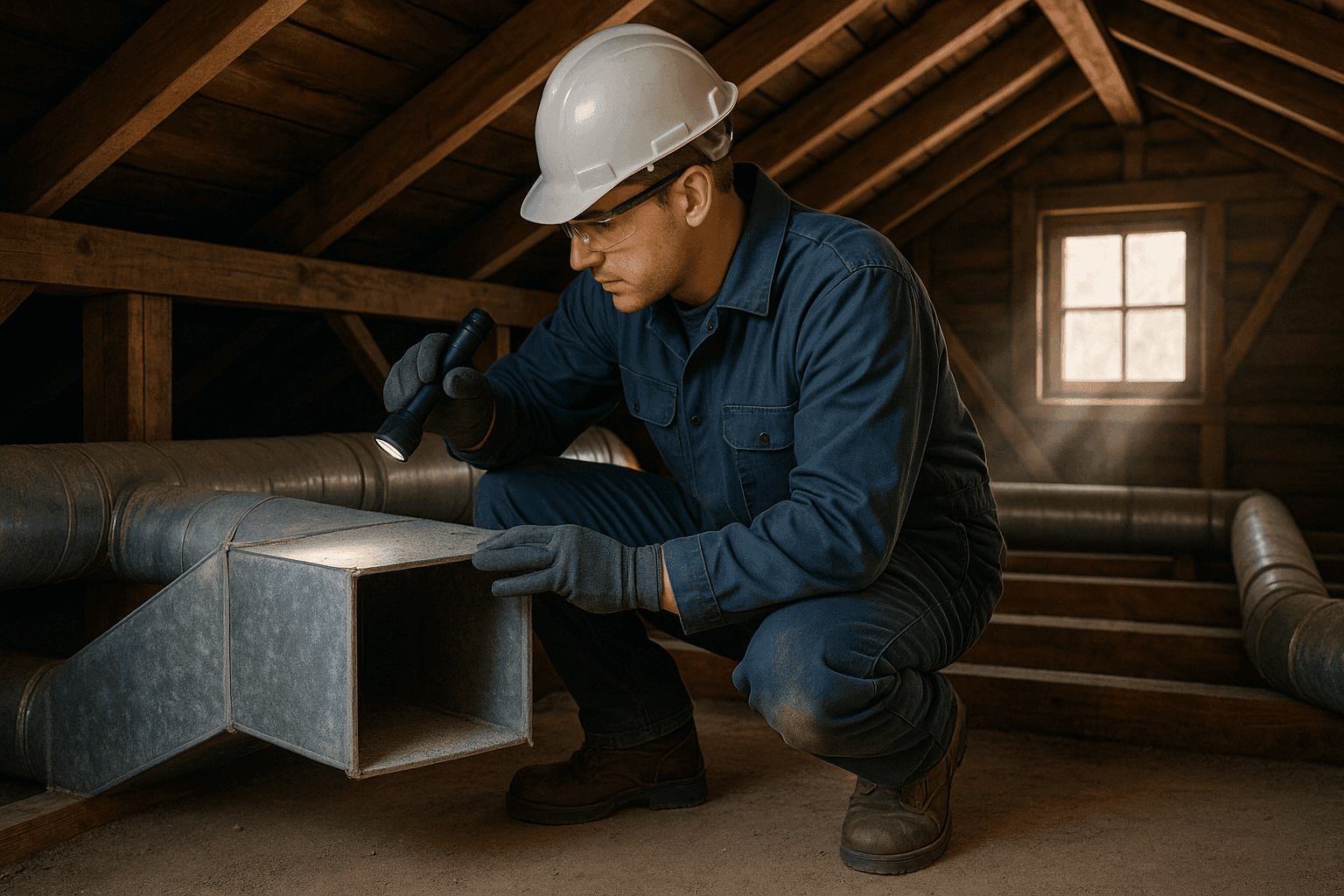
Think of your ductwork as the lungs of your home. In older houses, these “lungs” are often lined with years of dust, pet hair, and even rodent droppings. Professional duct cleaning by certified HVAC technicians removes buildup, improves airflow, and cuts down on allergens.
Tip: The EPA recommends considering duct cleaning if you see visible mold, a pest infestation, or excessive dust coming from your vents.
Filters: Your First Line of Defense
Not all air filters are created equal. Older HVAC systems may use outdated or poorly-fitted filters, letting particles slip by. Upgrading to modern, high-MERV filters—properly sized for your system—can trap finer dust, pollen, and even some bacteria.
- Change filters every 1-3 months (or as recommended).
- Use filters rated MERV 8–13 for most homes. For commercial spaces or allergy-sensitive households, consult an HVAC pro for higher filtration needs.
Dehumidifiers and Humidifiers
Humidity swings are common in older homes. Too much moisture? Mold grows like weeds after a rainstorm. Too little? Dust and static electricity rule the day. Installing a dehumidifier or humidifier can balance your air, making it healthier and more comfortable.
- Aim for 30–50% indoor humidity, as recommended by the CDC.
- Whole-home units connect to your HVAC. Portable options work for smaller spaces.
Air Purifiers and Air Scrubbers
Modern air scrubbers use UV light or ionization to break down bacteria, mold, and volatile organic compounds (VOCs). These are especially helpful if your home’s history includes lead paint, asbestos, or heavy smokers.
Ventilation Upgrades
Many older homes were built before mechanical ventilation was standard. Adding exhaust fans, energy recovery ventilators (ERVs), or simply opening windows (when outdoor air quality is good) helps sweep out stale air and bring in the fresh stuff.
Maintenance Tips: Keep IAQ Modern and Safe
Improving air quality isn’t a one-and-done fix. Like brushing your teeth, it takes regular care.
- Change HVAC filters regularly.
- Schedule annual duct cleaning—especially if you’ve just renovated, or if you notice dust buildup.
- Check for leaks in basements, crawl spaces, and attics; seal and insulate as needed.
- Clean exhaust fans in kitchens and bathrooms.
- Inspect for mold after heavy rains or plumbing leaks.
- Test for radon and carbon monoxide—older homes are more at risk. Both the EPA and CDC recommend using certified detectors.
Set reminders. Make a checklist. Your lungs will thank you.
Quick Safety Checklist ✅
- Are filters clean and properly installed?
- Any musty or earthy smells?
- Visible mold or water stains?
- Vents clear of dust and debris?
- Carbon monoxide and smoke detectors working?
- Signs of pests in attic, basement, or crawl spaces?
- Basement or crawlspace humidity under 50%?
If you answered “no” or “I’m not sure” to any, it’s time for a closer look.
DIY vs. Call a Pro
Some tasks are Saturday projects. Others? Best left to certified HVAC professionals.
DIY:
- Swapping out air filters.
- Wiping vent covers.
- Cleaning bathroom and kitchen exhaust fans.
Call a Pro:
- Duct cleaning (special vacuums and sanitizers required).
- Upgrading or installing HVAC systems, dehumidifiers, or air scrubbers.
- Mold remediation and asbestos handling (both require strict safety protocols).
A certified pro not only gets the job done right—they keep your home safe and up to code.
What Pros Do On Arrival
When Mavi HVAC visits your home or business, here’s what you can expect:
- Full IAQ Assessment: We check filters, test humidity, and measure airflow.
- Visual Inspection: Looking for dust, mold, and outdated or damaged materials.
- Duct and Equipment Testing: Ensuring your HVAC system distributes air evenly and efficiently.
- Recommendations: Based on EPA and ASHRAE standards, we outline practical steps to improve your air quality.
- Professional Cleaning or Upgrades: From duct cleaning to advanced filtration, we implement solutions tailored to your building’s age and needs.
Prevention & Maintenance
Old homes need regular TLC to keep the air fresh.
- Set a filter change reminder every 90 days—or monthly if you have pets or allergies.
- Schedule HVAC tune-ups twice a year (spring and fall).
- Keep gutters clean to prevent leaks and mold.
- Upgrade weatherstripping and insulation to stop drafts.
The best air quality comes from a mix of good habits and professional support.
Costs & Time Factors
Modernizing indoor air quality doesn’t have to empty your wallet—or take forever.
- Filter upgrades: Inexpensive, quick—often under 15 minutes.
- Duct cleaning: Usually a half-day job, depending on house size and duct condition.
- Dehumidifier/humidifier installation: A few hours to a day.
- Air scrubbers/ventilation upgrades: Typically 1–2 days for installation.
Costs depend on your home’s size, condition, and the specific improvements you choose. Always get a written estimate and ask about long-term maintenance needs.
When It’s an Emergency
Sometimes, poor air quality turns urgent.
- Sudden, severe mold outbreaks.
- Smell of gas or burning plastic.
- Carbon monoxide alarms sounding.
- Unexplained illness or breathing trouble.
If you notice any of these, evacuate if needed and call for emergency HVAC service—available 24 hours from Mavi HVAC.
FAQ: Indoor Air Quality in Older Homes
How often should I clean my ducts?
For older homes, every 3–5 years is typical. Sooner if you notice dust, mold, or have done renovations.
Can I just use portable air purifiers?
They help, but they can’t replace whole-home solutions like upgraded filters or duct cleaning.
What’s the best filter for older HVAC systems?
Check your system’s specifications. Most handle MERV 8–13, but older units may need professional assessment before using higher-rated filters.
Is it safe to handle mold or asbestos on my own?
No. Both require specialized training and equipment. Always call a certified professional.
Local and Seasonal Considerations 🍂
Older homes react to each season differently. In spring and fall, pollen and outdoor mold can sneak inside through old windows and doors. Winter brings dry air and sometimes soot from older furnaces. Summer humidity feeds mold growth in basements and attics. Year-round, regular filter changes and humidity control go a long way.
For both residential and commercial spaces, staying ahead of the seasons means healthier air—and fewer surprises.
Ready to bring your older home’s air up to modern standards? Whether you need indoor air quality solutions, duct cleaning, or just honest advice, Mavi HVAC is here to help.
Call Mavi HVAC now — or reach us anytime at 844-448-3453 .