Humidifiers 101: How to Choose, Use, and Maintain for Healthier Air
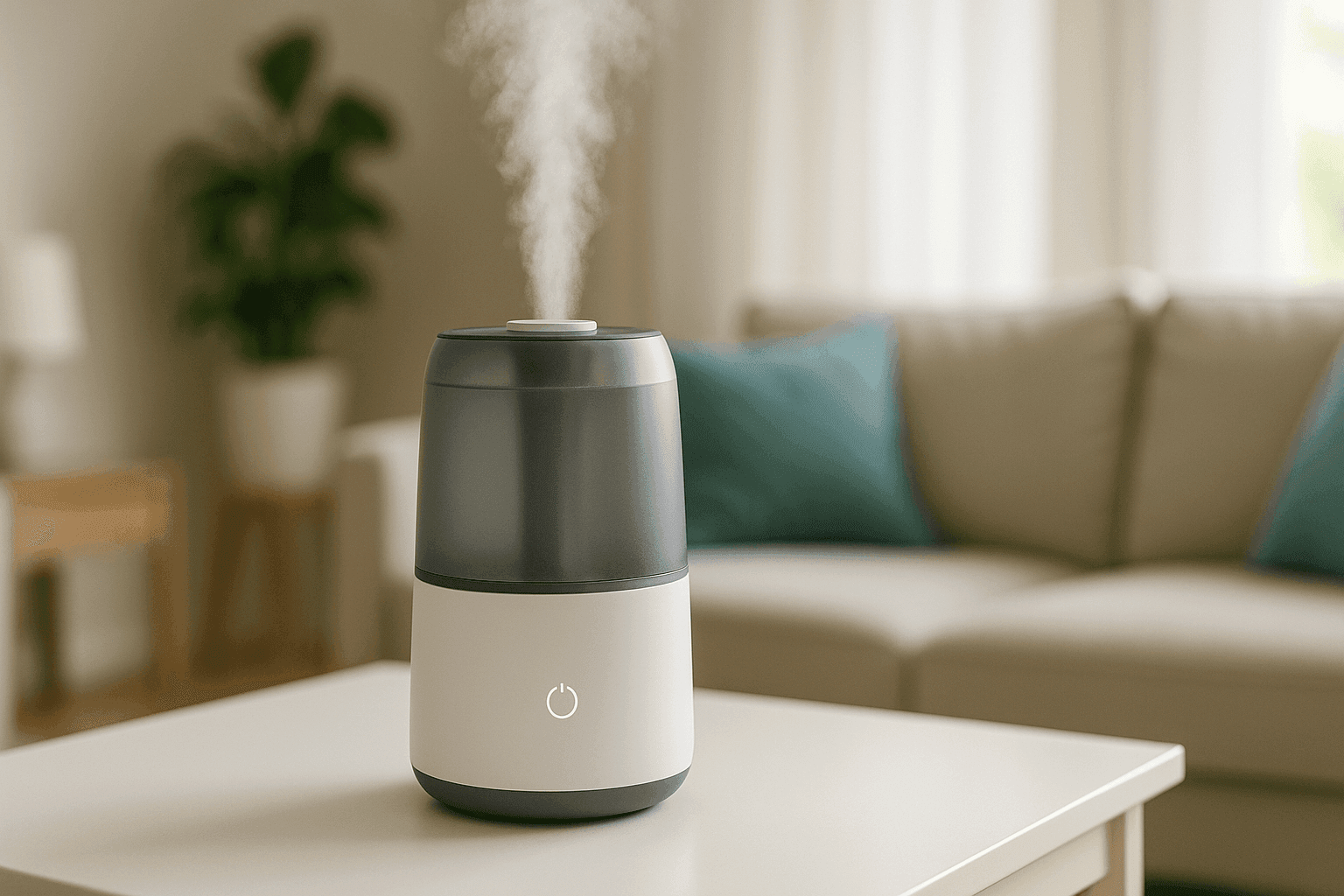
Is the air in your home or business leaving you parched, with static shocks or dry skin? You’re not alone. When winter rolls in or air conditioners run nonstop, indoor air can get desert-dry. Too little moisture isn’t just uncomfortable—it can impact your health and even damage wood floors or musical instruments.
At Mavi HVAC, we help folks just like you reclaim comfort and protect their spaces. A well-chosen humidifier is a simple tool that can make a world of difference.
Benefits of Humidifiers
Think of a humidifier as a gentle rain cloud for your home or office—restoring balance when the air gets thirsty. The right humidity level (ideally 30–50% per the Environmental Protection Agency) keeps your environment healthy and inviting.
- Easier breathing: Dry air can irritate sinuses and worsen allergies.
- Comfort: Fewer static shocks, softer skin, and less chapped lips.
- Protection: Wood furniture and floors crack less, and even houseplants thrive.
- Healthier air: Proper humidity helps limit airborne viruses and dust, improving overall indoor air quality.
But too much humidity? That’s another story. Excess moisture can invite mold and dust mites. That’s why balance—and regular IAQ testing—is so important.
Types of Humidifiers 🌫️
Choosing a humidifier is a bit like shopping for shoes—there’s no perfect fit for everyone. Here’s a breakdown of the main types you’ll find near you:
1. Evaporative Humidifiers
Classic and reliable. These use a wick filter and fan to add moisture. They’re self-regulating—if the air is too humid, they slow down.
- Best for: Average rooms, families, offices.
- Maintenance: Replace filters regularly.
2. Ultrasonic Humidifiers
A modern favorite. They use high-frequency vibrations to create a cool mist.
- Best for: Quiet bedrooms, nurseries.
- Watch out: Use distilled water to prevent white dust.
3. Steam Vaporizers
These heat water to create steam, which cools before release.
- Best for: Killing germs, large open spaces.
- Caution: Hot steam can be risky around kids or pets.
4. Whole-House Humidifiers
Installed directly into your HVAC system—out of sight, out of mind.
- Best for: Consistent comfort through entire homes or commercial spaces.
- Professional installation recommended.
How to Choose the Right Humidifier
Before you buy, ask:
- Room size: Small units work for bedrooms; larger spaces need larger models or whole-house options.
- Noise level: For nurseries or bedrooms, go for quieter models.
- Ease of cleaning: Removable tanks and simple parts make life easier.
- Water type: Hard water? Look for models with built-in filters, or plan to use distilled water.
Remember, the right humidifier should fit your space and lifestyle—not just your budget.
Proper Use and Maintenance 🧼
Just like a coffee maker, a humidifier needs regular care. Otherwise, it can become a breeding ground for bacteria or mold.
Daily Best Practices
- Empty and refill the tank with fresh water every day.
- Wipe surfaces to keep slime and film at bay.
- Monitor humidity: Use a hygrometer. Keep it between 30–50%.
Weekly Cleaning Checklist
- Unplug and disassemble the unit.
- Wash the tank with mild soap and water.
- Remove mineral buildup with a mixture of white vinegar and water.
- Rinse thoroughly to avoid any lingering cleaners.
- Dry parts before reassembling.
Safety Reminders
- Only use manufacturer-approved disinfectants.
- Replace filters as directed in your manual.
- Never let water sit stagnant for days.
For more on cleaning, reference the Centers for Disease Control’s guidelines on humidifier hygiene.
When to Call for Professional Help
Sometimes, a humidifier problem runs deeper—strange noises, leaking water, or persistent musty smells. Or maybe you’re looking to upgrade to a whole-house system. That’s where Mavi HVAC can help.
We offer humidifier installation and maintenance, plus indoor air quality testing if you’re not sure what’s in your air. If you notice signs of mold or health issues, don’t wait—get a pro on site.
Health & Safety Guidelines
Improper use of humidifiers can do more harm than good. According to the EPA and CDC:
- Over-humidification can lead to mold and dust mites.
- Clean units weekly to avoid bacteria and white dust.
- Never use tap water in ultrasonic models without filtration.
If anyone in your home has allergies or asthma, stay extra vigilant with maintenance and air quality checks.
Frequently Asked Questions
How often do I need to clean my humidifier?
Daily water changes and weekly cleanings are best. Don’t let water sit for long—think of it like a forgotten cup of coffee.
Can I use essential oils in my humidifier?
Only if your model specifically says so. Most humidifiers aren’t designed for oils and could break or become unsafe.
What’s the best humidity level for health?
Between 30% and 50%, according to the EPA. Too low, and your nose and throat feel dry. Too high, and mold can develop.
Are whole-house humidifiers worth it?
For large homes or buildings, yes! They provide consistent comfort and need less day-to-day attention. Installation should be done by an HVAC professional.
Seasonal Considerations
Humidity needs change with the seasons. In winter, heated air is extra dry—humidifiers work overtime. In summer, you may need a dehumidifier instead. Regular IAQ testing helps you keep things just right, year-round.
The Bottom Line
A quality humidifier isn’t just a comfort upgrade—it’s an investment in your health and home. With the right care and maintenance, you’ll breathe easier and feel better every season.
Ready to take control of your indoor air quality? Mavi HVAC is here to help with humidifiers, IAQ testing, and all your HVAC needs.
Call Mavi HVAC now — or reach us anytime at 844-448-3453 .