Boost Your HVAC's Lifespan: Best Practices for Preventive Maintenance
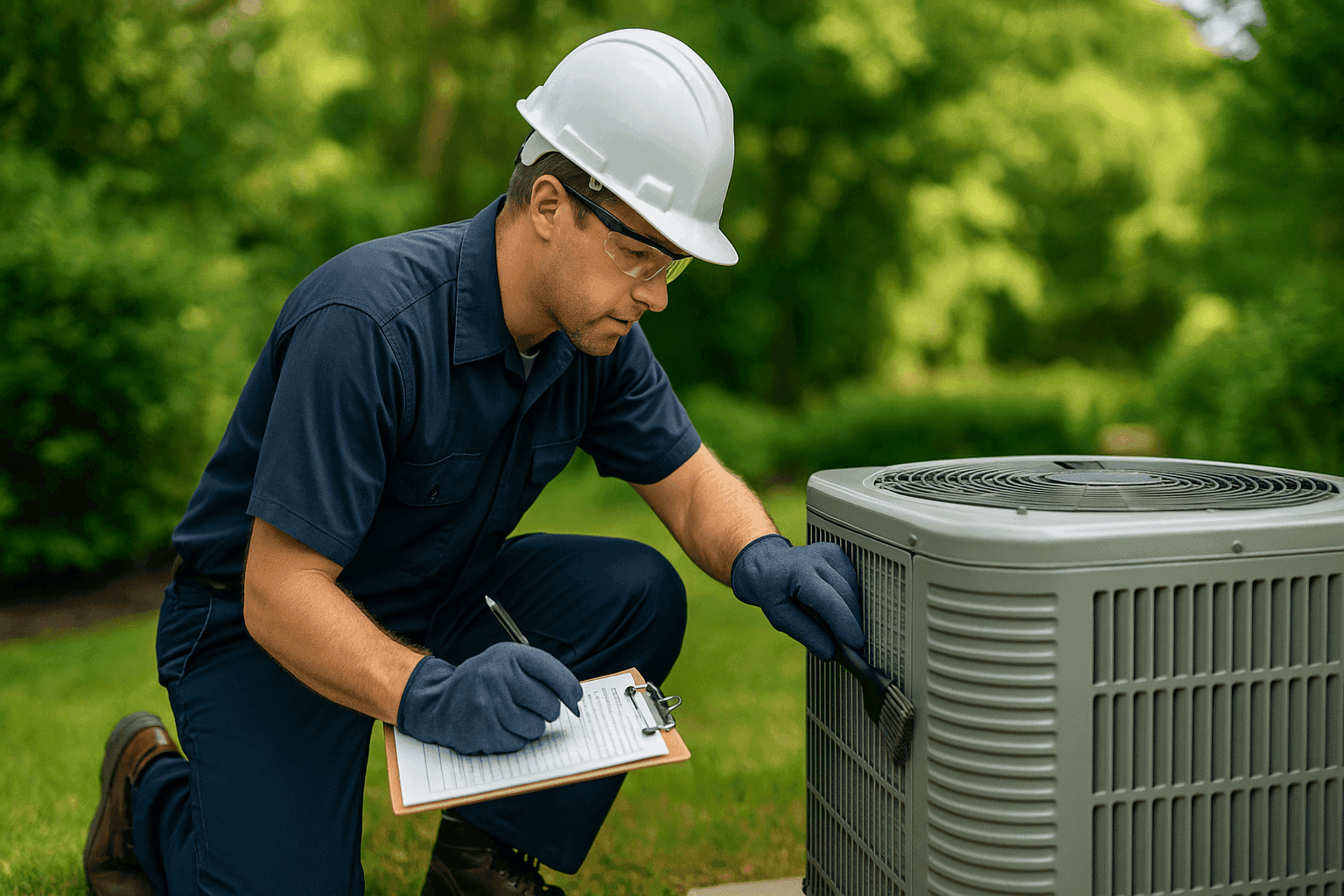
When your HVAC system is running smoothly, it’s easy to forget it’s even there. But just like a car needs regular oil changes, your heating and cooling equipment needs some TLC to keep it humming along for years.
At Mavi HVAC, we’ve seen it all—from clogged filters to neglected coils and unnoticed leaks. The good news? Most breakdowns and sky-high bills are preventable. Let’s talk about how you can make your system last, breathe easier indoors, and save money along the way.
Why Preventive Maintenance Matters 🛠️
Ever heard the saying “An ounce of prevention is worth a pound of cure?” Nowhere is that truer than with HVAC systems. Preventive maintenance isn’t just a nice-to-have; it’s the backbone of reliable comfort at home and work.
- Efficiency drops fast when dust, debris, or worn parts build up.
- Small issues—like a rattling belt or dirty filter—can snowball into major repairs.
- Regular checks help maintain indoor air quality. That means fewer allergens, less dust, and a safer space for everyone.
According to ASHRAE (American Society of Heating, Refrigerating and Air-Conditioning Engineers), maintaining your system regularly not only extends its lifespan but also keeps your energy bills in check. For homeowners and business owners alike, that’s a win-win.
Best Practices for Longevity
Think of your HVAC like a marathon runner. With the right care, it can go the distance. Here’s how to keep yours in top shape:
1. Replace or Clean Filters
- Change filters every 1–3 months (or more often if you have pets, allergies, or construction nearby). Check your model’s manual for specifics.
- Dirty filters block airflow, making your system work harder—shortening its life and raising energy costs.
- If you need help choosing the right filter, see our filters service.
2. Schedule Professional Maintenance
- Book professional HVAC maintenance at least twice a year—once before cooling season, once before heating season. Commercial systems may need quarterly service.
- A qualified technician will inspect electrical connections, lubricate moving parts, clean coils, check refrigerant, and test safety controls. Details are outlined by the U.S. Department of Energy.
3. Keep Outdoor Units Clear
- Trim back shrubs, grass, and debris at least two feet around outdoor condensers.
- Don’t stack anything on top of or against your unit—airflow is key.
4. Check Thermostats and Controls
- Test your thermostat’s accuracy once a season.
- Consider upgrading to a programmable or smart thermostat for improved efficiency.
5. Watch Humidity Levels
- Too much or too little humidity strains HVAC equipment. Dehumidifiers and humidifiers near you can help balance indoor comfort.
6. Mind the Ducts
- Leaky or dirty ducts waste energy and can introduce dust and allergens.
- Have ducts inspected and cleaned every few years, especially after renovations or if you notice reduced airflow.
7. Listen and Look
- Unusual noises, short cycling, or inconsistent temperatures are red flags.
- Don’t ignore puddles, ice, or rust around your system.
Signs Your System Needs Attention ⚠️
Your HVAC may not have a “Check Engine” light, but it will send signals when something’s off. Watch for:
- Rising energy bills with no change in usage
- Weak or uneven airflow
- Strange odors—burning, musty, or chemical smells
- Frequent on-off cycling
- Unusual noises: banging, grinding, or squealing
- Excess dust or humidity in your space
If you notice any of these, it’s time to call in the pros for an AC maintenance or tune-up.
Simple Habits for Everyday Care
- Vacuum vents and registers monthly. Blocked vents make your system work extra hard.
- Keep interior doors open for better airflow throughout your home or office.
- Check your thermostat’s batteries annually.
- Never block airflow with furniture, rugs, or boxes.
Professional Service Intervals
- Residential HVAC: Twice a year (spring and fall)
- Commercial HVAC: Quarterly or as recommended by your building’s system and hours of operation
- Filter replacement: Every 1–3 months
- Duct cleaning: Every 3–5 years, or after major renovations
- Humidifier/dehumidifier checks: Annually
Consult your equipment’s manual for manufacturer guidelines—many systems require documented maintenance for warranty coverage.
Manufacturer-Backed Recommendations
Almost every leading HVAC manufacturer—Carrier, Trane, Lennox, and others—recommends routine maintenance. According to ENERGY STAR, annual system tune-ups and timely filter changes can improve efficiency by 15% or more.
Following these guidelines isn’t just about comfort. It’s about protecting your investment and breathing healthier air year-round.
When to Call a Professional
DIY is great for small tasks, but some jobs need a trained eye:
- Electrical issues (sparks, tripped breakers)
- Refrigerant leaks
- Motor or compressor problems
- Persistent humidity or air quality issues
If you’re ever unsure, it’s safer—and usually cheaper—to call Mavi HVAC before a small problem grows.
FAQ: Preventive Maintenance
How long should my HVAC system last?
With regular care, most systems last 15–20 years, sometimes longer.
Does maintenance really pay off?
Yes. According to the U.S. Department of Energy, preventive maintenance can reduce breakdowns by up to 95% and lower energy bills.
Is filter replacement that important?
Absolutely. Dirty filters are the #1 cause of HVAC inefficiency and breakdowns.
How do I know if my system is under warranty?
Check your manufacturer’s documentation. Many require proof of regular maintenance.
Seasonal & Local Considerations
Climate plays a big role. In humid areas, regular dehumidifier checks are a must. Cold climates call for fall furnace tune-ups and air balancing before winter. If you run your AC year-round, schedule extra filter changes and keep an eye on refrigerant levels.
Final Thoughts
Your HVAC system works hard for you—day and night, hot or cold, rain or shine. With a few simple habits and regular checkups, you’ll enjoy years of comfort and healthy air, and avoid costly surprises.
Ready to schedule your next maintenance?
Call Mavi HVAC now — or reach us anytime at 844-448-3453 .