HVAC Maintenance: Year-Round Checklist for Homeowners & Businesses
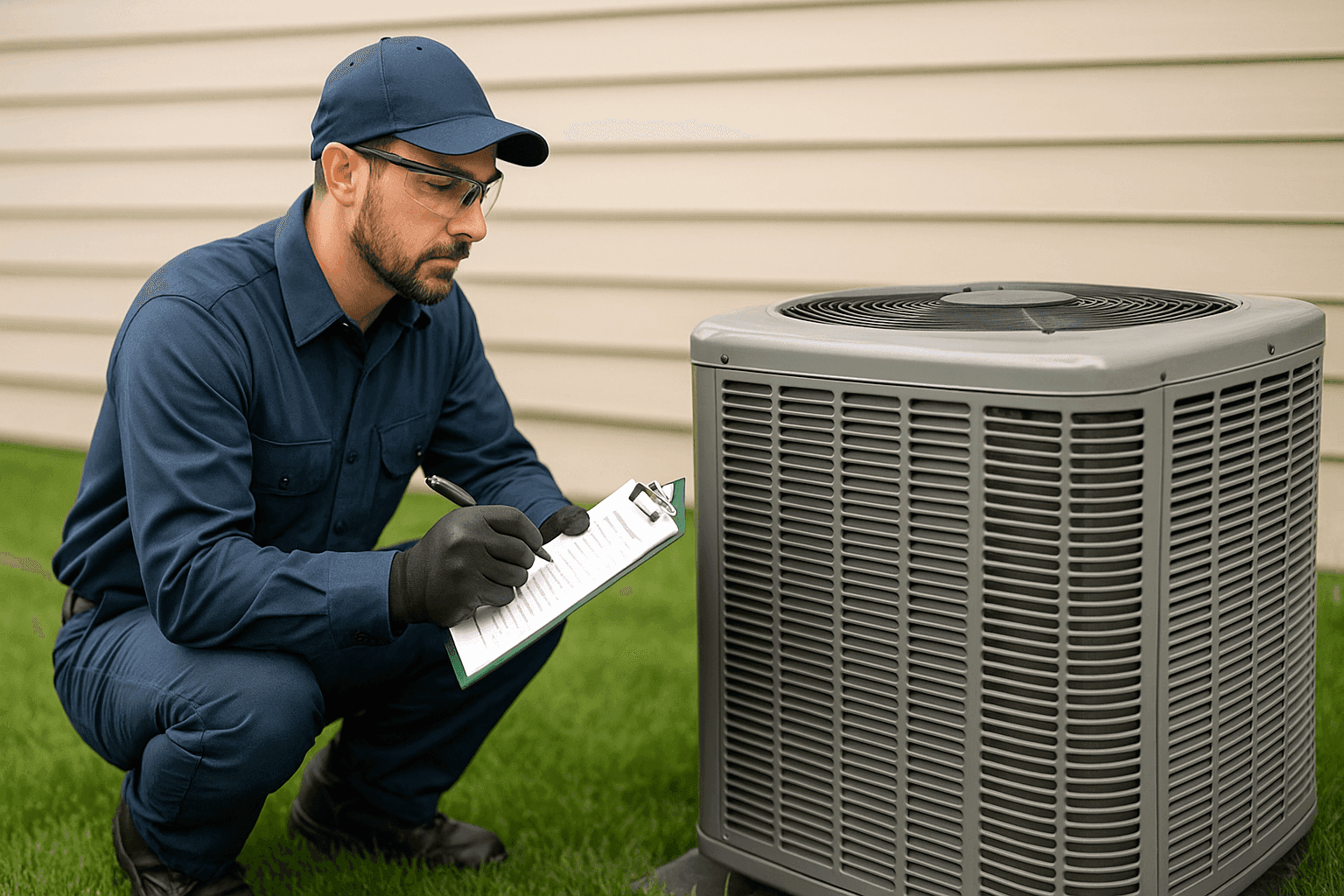
Keeping your home or business comfortable isn’t a “set it and forget it” job. Just like a car, your HVAC system needs regular attention to run smoothly and safely. A little care in the right season can save you from big frustrations down the road.
At Mavi HVAC, we help property owners stay ahead with simple, practical steps. Whether you’re a homeowner or managing a commercial building, this year-round checklist has you covered.
Spring/Summer Maintenance Tasks 🌱
When the days get longer and the air gets heavy, your cooling system becomes the star of the show. Don’t wait for the first heatwave to find out something’s wrong! Here’s what needs attention:
Spring & Summer HVAC Checklist
- Change or clean air filters (every 1-2 months). A clogged filter is like breathing through a straw.
- Inspect and clear AC condensate drain lines to prevent water leaks and musty odors.
- Check thermostat settings for accuracy and comfort.
- Clean outdoor condenser coils (gently remove debris, leaves, and dirt).
- Inspect refrigerant lines for visible wear, cracks, or insulation loss.
- Test run your AC before hot weather hits. Listen for odd noises.
- Trim plants and clear debris within two feet of your outdoor unit for proper airflow.
- Inspect ductwork for visible leaks, disconnections, or damage.
- Check Dehumidifiers near you and empty or clean water reservoirs.
Why It Matters
Dust, pollen, and moisture can sneak into your system and make it work harder. These steps help lower your energy bills, improve indoor air quality, and prevent mid-summer breakdowns.
Professional Tune-Up: What to Expect
Certified HVAC technicians from Mavi HVAC do more than just a quick glance. During a spring or summer hvac-maintenance visit, we:
- Test system controls and safety switches.
- Check refrigerant levels and pressure.
- Tighten electrical connections (loose wires can cause system failure).
- Lubricate moving parts to reduce friction and wear.
- Calibrate thermostats for accuracy.
According to the U.S. Department of Energy, regular tune-ups can improve system efficiency by up to 15%.
Fall/Winter Maintenance Tasks 🍂
When the air turns crisp, your heating system steps up. Don’t wait for the first freeze to find out your furnace is struggling.
Fall & Winter HVAC Checklist
- Replace or clean furnace filters—same rule as summer: every 1-2 months.
- Check and test carbon monoxide detectors for safety.
- Inspect heating vents and registers for blockages or dust buildup.
- Clean and inspect the blower assembly (call a pro for this).
- Check pilot light or ignition system on older furnaces.
- Examine flue pipes and venting for rust, gaps, or blockages.
- Test your thermostat—make sure it responds quickly.
- Inspect insulation on refrigerant and heating lines.
- Test humidifiers—clean or replace water panels as needed.
- Schedule annual heating-maintenance before the first cold snap.
Why It Matters
A neglected heating system can fill your home with dust or, worse, carbon monoxide. Small actions now prevent emergency repairs when you need heat most.
What Professional Service Includes
When Mavi HVAC technicians arrive for a winter tune-up, you can expect:
- A thorough safety inspection (in line with International Mechanical Code standards).
- Testing for carbon monoxide leaks.
- Cleaning burners and ignition systems.
- Checking gas pressure and connections.
- Reviewing system startup and shutdown cycles.
Our certified techs spot issues early—saving you time, money, and worry.
Signs Your System Needs Service
Don’t wait for a total breakdown. Your HVAC system gives warning signs when it needs help:
- Strange noises: Banging, hissing, or screeching aren’t normal.
- Unusual smells: Musty, burning, or rotten egg odors signal a problem.
- Weak airflow: Could be a clogged filter, duct leak, or failing blower.
- Uneven temperatures: One room’s a sauna, another’s an icebox? Time to check the system.
- Rising utility bills: If costs spike without explanation, your system could be straining.
- Frequent cycling: Short, repeated on/off cycles wear parts out quickly.
If you notice these, it’s time to call for professional service before things escalate.
Benefits of Professional HVAC Tune-Ups
A certified technician brings more than a toolbox. With years of training, they spot hidden issues, keep your system compliant with safety codes, and ensure optimal performance.
Benefits of professional tune-ups include:
- Longer system life: Well-maintained units last years longer.
- Lower repair costs: Small problems get fixed before they turn expensive.
- Better air quality: Clean systems mean less dust, pollen, and allergens.
- Energy savings: Efficient systems use less power, lowering bills.
- Peace of mind: Know your family or business is safe and comfortable.
DIY vs. Professional Service
Changing a filter? That’s a great DIY task. But when it comes to electrical checks, refrigerant levels, or gas lines, it’s best to leave it to certified pros. DIY fixes can void warranties, risk safety, and miss problems hiding beneath the surface.
Still, you can:
- Keep outdoor units clear of debris.
- Regularly check your thermostat.
- Listen and look for visible issues.
But for tune-ups, repairs, and anything involving electricity or gas, call a licensed technician.
Quick Safety Checklist
- Turn off power before inspecting or cleaning your system.
- Never try to repair refrigerant or gas lines yourself.
- Ensure carbon monoxide detectors are working year-round.
- Keep vents and registers clear—never block them with furniture or rugs.
- If you smell gas or see sparks, evacuate and call for emergency service.
Following these basics keeps everyone safe—every season.
Costs & Time Factors
The time and cost for HVAC maintenance can vary. Most tune-ups take 1–2 hours per unit for a professional visit. Costs depend on your system’s age, size, and any special features (like Geothermal or Whole-House Fans).
Remember, regular maintenance is far less expensive than emergency repairs or full system replacements. The U.S. Environmental Protection Agency recommends at least annual service for best results.
When It’s an Emergency
Certain HVAC problems can’t wait:
- No heat or cooling during extreme weather.
- Electrical burning smells or visible sparks.
- Gas leaks (rotten egg smell).
- Water leaks near your unit or ceilings.
- Carbon monoxide alarms sounding.
If you face these, call for 24 Hour Emergency Service immediately. Your safety comes first.
Frequently Asked Questions
How often should I schedule HVAC maintenance?
Ideally, twice per year—once in the spring (cooling) and once in the fall (heating). If you have heavy usage or allergies, more frequent filter changes are wise.
Do I really need professional service if everything seems to work?
Yes. Many issues hide until it’s too late. Professional inspections catch worn parts, electrical hazards, and airflow problems early.
What’s the best filter for my system?
Look for filters with a MERV rating recommended by your manufacturer. Higher isn’t always better—too dense can restrict airflow. Ask your technician for guidance.
Will regular maintenance really lower my bills?
Yes. Well-maintained systems run more efficiently, using less energy. The U.S. Department of Energy confirms that regular maintenance keeps costs down and comfort up.
Local & Seasonal Considerations
If you live in a humid climate, dehumidifiers and regular condensate drain checks are crucial. In dry regions, humidifiers protect your air quality and comfort. Commercial buildings may require more frequent duct cleaning and IAQ Testing.
Always check with your local building codes or the International Mechanical Code for specific safety and maintenance requirements.
Ready for Reliable Comfort?
Every season brings new demands for your HVAC system. With regular care and the help of certified professionals, you’ll enjoy a safer, healthier, and more comfortable space—year-round.
Call Mavi HVAC now — or reach us anytime at 844-448-3453 .