HVAC Repair or Replace: How to Decide and What Factors Matter
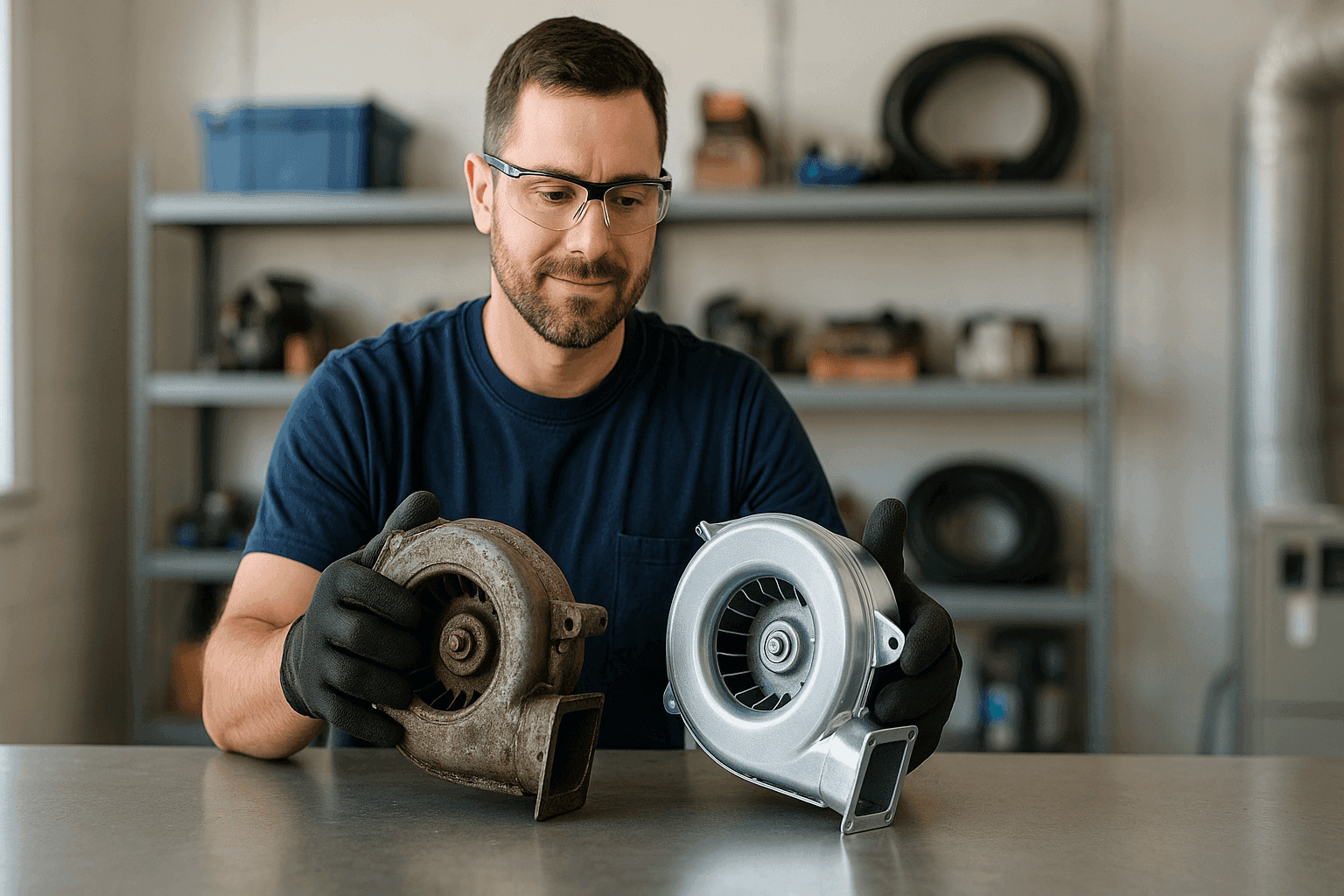
Feeling a chill that just won’t quit, or is your air conditioner wheezing on its last breath? Deciding whether to repair or replace your HVAC can feel as tough as choosing between patching a leaky roof or building a new one. At Mavi HVAC, we’ve helped thousands of homeowners and businesses weigh the options—and get back to comfort quickly.
Let’s break down the real-world factors you need to consider before calling it quits on your old system.
When to Repair Your HVAC
Sometimes, the answer is simple—like patching your favorite jeans instead of shopping for new ones. Repairing your HVAC is often the right move if:
- Your system is under 10 years old.
- You haven’t had frequent breakdowns or major repairs.
- The issue is minor, like a faulty thermostat, worn-out capacitor, or a clogged filter.
- Your energy bills haven’t spiked.
- The system still heats or cools effectively.
Think of it like fixing a squeaky hinge: if the rest of the door is solid, there’s no need to replace it. This is especially true for newer systems or when you’ve invested in regular hvac-maintenance.
Signs That Lean Toward a Simple Repair
- Odd noises that just started (rattling, humming, or clicking).
- A sudden drop in airflow or uneven temperatures.
- Thermostat won’t communicate with your system.
- Visible ice on outdoor coils or lines.
If the fix is quick, affordable, and doesn’t feel like déjà vu from last season, repair is likely your best bet.
When to Replace Your HVAC
Every system has its sunset. If yours feels more like a relic than a reliable companion, replacement may be on the horizon. Here’s when to seriously consider it:
- System age: Over 12–15 years old (most systems retire around this time).
- Frequent repairs: If you’re calling for service more than once a year.
- Rising costs: Major components failing—like compressors or heat exchangers.
- Energy bills climbing: Noticeable increase despite regular maintenance.
- Uneven comfort: Hot/cold spots, humidity issues, or poor air quality.
Think of this like driving an old car that keeps overheating—you could swap out parts, but eventually, a new ride is the smarter investment.
Big Red Flags
- Repairs cost more than half the price of a new system.
- Your system uses outdated refrigerants (like R-22, now phased out by EPA guidelines).
- You want modern features—like smart thermostats, zoning, or improved indoor air quality.
Upgrading now can pay off in comfort, reliability, and efficiency. Plus, it’s a chance to improve your home or business with features like Dehumidifiers near you, advanced filtration, or whole-house fans.
Key Decision Factors 🛠️
Let’s dig into the nuts and bolts. These are the key factors Mavi HVAC pros weigh during a service call:
1. System Age
- Under 10 years: Most parts are still available, and modern systems are built to last.
- 10–15 years: Evaluate repair history and energy efficiency.
- Over 15 years: Replacement is often the wise long-term move.
2. Cost of Repairs
- As a rule of thumb: If a repair is more than 50% the cost of a new system, consider replacing.
- Factor in warranty coverage—older systems usually have expired warranties.
3. Energy Efficiency
- New systems can cut energy use by 20–40%.
- Look for SEER (Seasonal Energy Efficiency Ratio) or AFUE (Annual Fuel Utilization Efficiency) ratings.
- Lower bills and smaller carbon footprint—good for your wallet and the planet.
4. Comfort and Air Quality
- Can your current system keep every room comfortable?
- Does it control humidity, filter dust, or help with allergies?
- Newer systems offer better air balancing and filtration.
5. Availability of Parts
- Replacement parts for older units may be hard to find—or expensive.
- Outdated refrigerants are no longer produced, making repairs tricky.
6. Safety
- Cracked heat exchangers or failed wiring can pose serious hazards.
- Compliance with local building codes and National Fire Protection Association (NFPA) guidelines is a must.
Decision Checklist
Before deciding, ask yourself:
- How old is my system?
- How often has it needed repairs?
- Are my energy bills creeping up?
- Does my HVAC keep every room comfortable?
- Is indoor air quality a problem?
- Am I planning to stay in this property long-term?
If you answered “yes” to several, a replacement may be your best bet.
The Value of Expert Diagnostics
There’s no substitute for a professional eye. At Mavi HVAC, our technicians use diagnostic tools—like refrigerant gauges, airflow meters, and electrical testers—to see what’s really happening under the hood.
We’ll explain the pros and cons of each option in plain language: cost, comfort, safety, and future risk. No pressure, just facts—so you can make a confident decision.
When to Repair: Pros and Cons
Pros:
- Lower upfront cost.
- Quicker fix for minor issues.
- Less disruption to your day.
Cons:
- May be a temporary solution if the system is old.
- Could lead to more frequent repairs.
- Energy efficiency may still be lower than new models.
When to Replace: Pros and Cons
Pros:
- Long-term peace of mind.
- Improved comfort, air quality, and efficiency.
- Access to the latest tech and features.
Cons:
- Higher initial investment.
- Installation may take extra time.
- May require updates to electrical or ductwork.
Quick Safety Checklist 📝
Before you decide, make sure you’re safe:
- Turn off power to the HVAC before inspecting.
- Check for strange odors (burning, gas smell).
- Look for water leaks or pooling.
- Listen for loud banging, hissing, or popping.
- If you suspect carbon monoxide (furnace), leave the area and call for help.
Always follow manufacturer instructions and local safety codes. The U.S. Consumer Product Safety Commission has clear guidelines for safe home HVAC operation.
DIY vs. Call a Pro
Some things you can check on your own:
- Change air filters—monthly for most homes.
- Ensure vents and registers are open and unblocked.
- Reset circuit breakers if the system won’t start.
But for electrical issues, refrigerant leaks, or anything involving gas lines, it’s time to call a pro. Licensed HVAC technicians are trained to handle dangerous components and ensure your repairs or installation meet code.
What Pros Do On Arrival
When a Mavi HVAC technician arrives, here’s what you can expect:
- Visual inspection of all system components.
- Testing for airflow, voltage, refrigerant levels, and safety controls.
- Diagnosis using specialized meters and sensors.
- Clear explanation of findings and options—repair, maintenance, or replacement.
Our priority is clarity. No technical overwhelm, just the facts.
Prevention & Maintenance
Want to avoid the repair-or-replace dilemma for as long as possible? Here’s what helps:
- Schedule annual hvac-maintenance for cleaning, tune-ups, and safety checks.
- Change filters regularly.
- Keep outdoor units clear of debris, leaves, and snow.
- Use a programmable thermostat to reduce strain.
Preventive steps can extend the life of your system and help you spot small problems before they become big headaches.
Costs & Time Factors
- Repair: Minor fixes (like thermostats or capacitors) can be done in a day. Larger repairs may take longer if parts must be ordered.
- Replacement: Usually 1–3 days, depending on system complexity and ductwork needs.
- Costs: Vary by system size, brand, and local codes. Always get a detailed estimate so you know what’s included.
Remember, investing in efficiency can pay you back over time with lower energy bills and fewer emergencies.
When It’s an Emergency 🚨
Some problems can’t wait:
- No heat during freezing temps.
- AC failure during extreme heat.
- Carbon monoxide alarms.
- Flooding from a failed unit.
- Electrical burning smell.
In these cases, call for 24-hour emergency HVAC service right away. Your safety comes first.
FAQ
How long does a typical HVAC system last?
Most systems last 12–15 years with good maintenance. Some well-cared-for units can go 20 years, but efficiency drops over time.
Is it worth repairing an old furnace or AC?
If repairs are minor and the system is under 10 years old, yes. For older units or major breakdowns, replacement is often more cost-effective.
What’s better for air quality: repair or replace?
New systems offer advanced filters, air scrubbers, and IAQ options. If allergies or dust are a problem, an upgrade may help.
Can I get more out of my old system with maintenance?
Absolutely. Regular maintenance—filter changes, coil cleaning, and tune-ups—can extend system life and improve efficiency.
Local and Seasonal Considerations
Extreme weather—whether bitter cold or blazing heat—puts extra strain on your system. In some climates, seasonal humidity can also wreak havoc. Consider adding Dehumidifiers near you or whole-house fans for year-round comfort. Schedule major upgrades in the off-season for better availability and pricing.
Stay alert for local code changes: newer systems may be required to meet higher efficiency or safety standards.
We know the repair-or-replace decision isn’t easy. But with the right info—and a team that explains every step—you’ll feel in control, not overwhelmed.
Call Mavi HVAC now — or reach us anytime at 844-448-3453 .