Mini-Splits vs. Central AC: Which Cooling System Is Right for You?
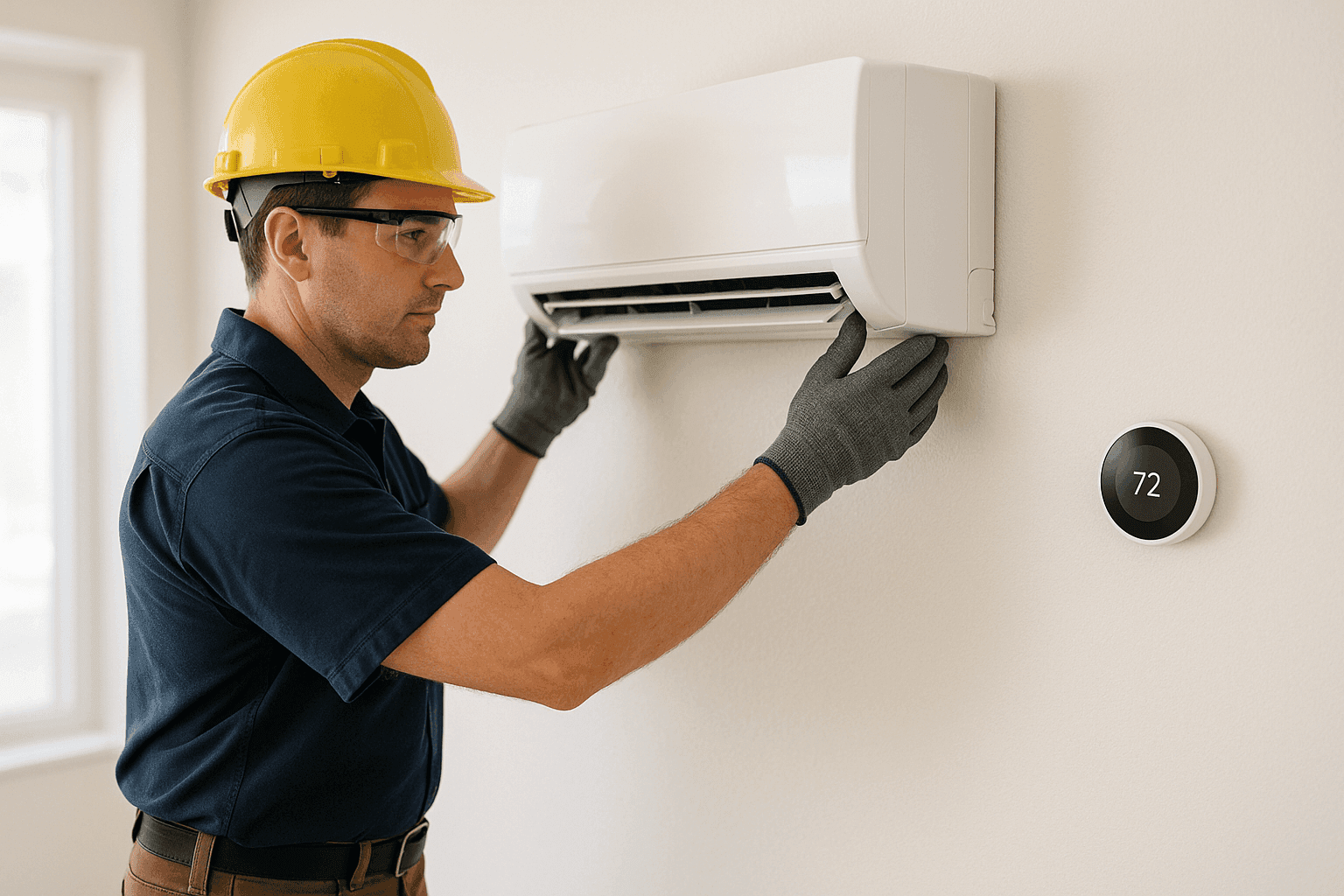
Sweating through another summer or shivering in a cold office? Choosing the right cooling system can make all the difference, whether you’re running a busy household or keeping your business comfortable for clients and staff. At Mavi HVAC, we know every space is unique—and so are its needs.
You’ve heard about mini-splits. You’ve lived with central AC. But which is better for you, your energy bill, and your peace of mind? Here’s a clear, practical guide to help you find the right fit.
How Mini-Splits Work
Mini-splits, also called ductless air conditioners, are like having a thermostat for every room. They consist of two main parts: an outdoor compressor and one or more indoor air-handling units. Instead of pushing air through ducts, they deliver cool (or warm) air right where you need it—no maze of vents required.
What makes mini-splits stand out?
- Zone control: Cool or heat specific rooms, not the whole building.
- No ducts: Great for older homes, additions, or places where ductwork is a headache.
- Energy-efficient: Less energy lost since there’s no duct leakage.
- Flexible installation: Indoor units mount on walls, ceilings, or floors.
Imagine each room in your house having its own personal cloud of perfect air. That’s the mini-split experience.
Installation:
Mini-splits usually require a small hole in the wall for the conduit. The outdoor and indoor units are linked by refrigerant tubing and wiring. A certified HVAC technician will size, place, and install the system according to safety codes—following guidelines from groups like the Air Conditioning Contractors of America (ACCA).
Efficiency:
Because they don’t use ducts, mini-splits can save up to 30% on cooling costs, according to the U.S. Department of Energy.
Maintenance:
- Clean or replace filters monthly.
- Schedule annual professional checkups.
- Keep outdoor units free of debris.
Central AC: Pros and Cons 🏠
Central air conditioning is the classic, whole-building solution. One large unit cools (and sometimes heats) air at a central point, then pushes it through a network of ducts to every room.
The upside:
- Consistent comfort: Set the thermostat and enjoy even temperatures everywhere.
- Low profile: Only vents and the thermostat are visible indoors.
- Works with existing ducts: Perfect if you have a forced-air furnace or prior central AC.
The tradeoffs:
- Ductwork required: Installation is trickier—and pricier—if you don’t already have ducts.
- Energy loss: Up to 30% of energy can vanish through leaky or uninsulated ducts (EPA).
- Less zoning: Harder to control temperatures room-by-room.
Installation:
Central AC installation is best handled by licensed HVAC professionals. It involves sizing the system (using Manual J calculations per ACCA standards), placing evaporator coils and air handlers, and integrating everything with your ductwork.
Efficiency:
Modern central ACs are much more efficient than older models (look for ENERGY STAR® and high SEER ratings), but ducts can still waste energy if not maintained.
Maintenance:
- Change or clean filters every 1–3 months.
- Annual inspections for refrigerant levels, coils, and ducts.
- Duct cleaning every few years, if necessary.
Choosing What’s Best for You ❓
No cooling system is one-size-fits-all. To pick the best solution for your property, weigh these key factors:
Your Space
- Existing Ducts: If you have them, central AC may be simpler. No ducts? Mini-splits mean less renovation.
- Size & Layout: Open floor plans suit central AC. Multiple small rooms or additions? Mini-splits shine.
- Aesthetics: Mini-split units are visible inside. Central AC hides everything but vents.
Efficiency & Comfort
- Want to control temps room by room? Mini-splits win.
- Care most about even cooling everywhere? Central AC is built for that.
Budget & Costs
- Upfront Cost: Mini-splits are often cheaper if you lack ducts. Central AC can cost more to install from scratch.
- Operating Cost: Mini-splits typically use less energy, especially for partial-home cooling.
Maintenance
- Both systems need regular filter changes and annual checkups.
- Mini-splits need indoor unit cleaning; central ACs require duct care.
Other Considerations
- Allergies or Air Quality: Both systems improve indoor air, especially when paired with Mavi HVAC’s Filters, [Dehumidifiers near you], or IAQ Testing.
- Backup Power: Consider generator installation for uninterrupted comfort.
Cost Breakdown
Every home and business is unique, but here’s a general cost comparison:
Mini-Splits:
- Lower installation cost if you don’t have ducts.
- Lower monthly energy bills for zone-cooling.
- Individual room units can add up if cooling a large property.
Central AC:
- Higher upfront cost if ducts are needed or need repair.
- More affordable for large, open spaces.
- Duct maintenance adds periodic expenses.
Pro Tip:
Rebates and incentives may be available for high-efficiency systems. Check with your local utility or Energy Star®.
Installation, Efficiency, and Maintenance
Installation
- Always use certified HVAC technicians. Proper sizing and safe installation matter—poor setup can mean costly repairs or even safety hazards.
- For mini-splits, placement is key: indoor units must be clear of obstructions, and outdoor units need airflow.
- For central AC, well-sealed and insulated ducts prevent energy loss.
Efficiency
- Choose models with high SEER (Seasonal Energy Efficiency Ratio) ratings.
- Program thermostats for schedules and savings.
- Pair with good insulation and weather-stripping for best results.
Maintenance
- Change filters often—monthly is best during high-use seasons.
- Schedule annual system checks.
- Clean outdoor units (remove leaves, dust, debris).
Find more on regular care with our AC Maintenance and AC Repair services.
FAQ
Can I install a mini-split or central AC myself?
Professional installation is recommended for both. HVAC systems involve electrical, refrigerant, and code compliance. DIY mistakes can lead to leaks, inefficiency, or danger.
Which system lasts longer?
With proper maintenance, mini-splits and central AC units both last 12–20 years. Mini-splits may outlast central ACs due to fewer moving parts—especially when serviced regularly.
Are mini-splits noisy?
Mini-splits are typically quieter than window ACs and many central systems. The loudest part (compressor) sits outside, and indoor fans run quietly.
What about heating?
Many mini-splits double as heat pumps, providing year-round comfort. Central ACs can be paired with furnaces or heat pumps for complete climate control.
Local and Seasonal Considerations
- High humidity? Consider Dehumidifiers near you to boost comfort and system efficiency.
- Frequent storms or outages? Pair your system with Generator Maintenance and Installation.
- Allergy season? Mavi HVAC offers Air Scrubbers and advanced Filters for cleaner air.
The Bottom Line
Mini-splits offer flexible, energy-smart comfort—especially for homes or businesses without ducts or with varied cooling needs. Central AC delivers whole-building cooling, perfect for larger, open spaces with existing ductwork. Both need professional installation and regular care.
Still have questions or ready for a personalized recommendation?
Call Mavi HVAC now — or reach us anytime at 844-448-3453 .