How to Prevent HVAC Breakdowns During Extreme Heat Waves
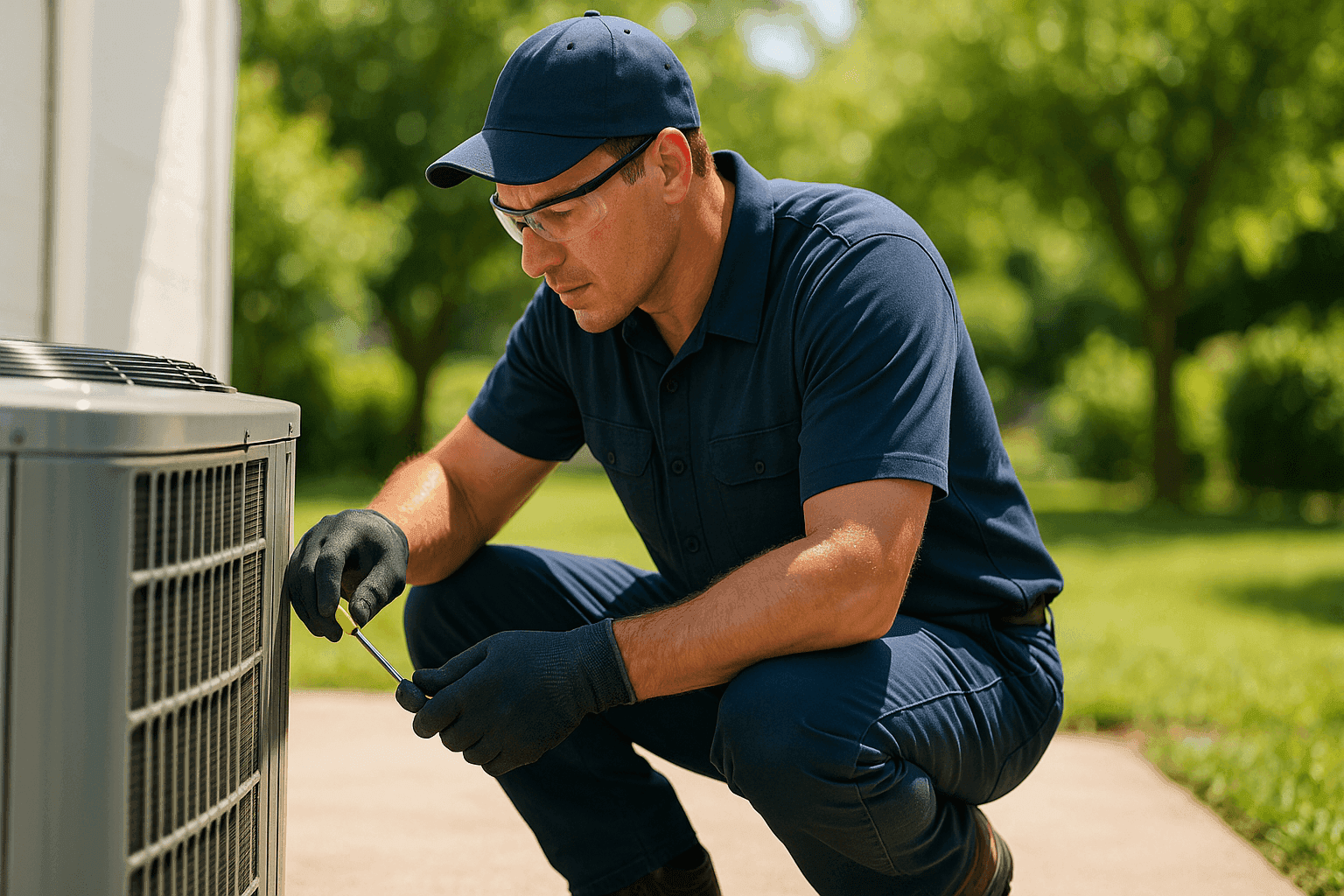
When the sun blazes and temperatures soar, your HVAC system becomes the heart of your comfort—sometimes even your safety. But heat waves don’t just test your patience. They push air conditioners, filters, and every moving part to the edge.
At Mavi HVAC, we know the frustration of a failing AC at the peak of summer. The house gets sticky. The office grinds to a halt. That’s why we’re sharing straightforward, actionable steps to keep breakdowns at bay and your cool intact.
Why ACs Fail in Heat Waves ☀️
Think of your HVAC system as a marathon runner. In average weather, it jogs along, keeping pace. But during a heat wave, it’s sprinting—day and night. Strain builds up. Even minor issues can snowball.
Here’s why breakdowns spike when it’s hottest:
- Continuous Operation: Your system never gets a breather. This can overheat motors and stress electrical parts.
- Clogged Filters: More use means filters trap more dust. Less airflow = more work and higher risk of freezing coils or overheating.
- Refrigerant Issues: Tiny leaks become big problems when your AC is running nonstop. Low refrigerant means poor cooling and system damage.
- Dirty Coils: Outdoor units get blanketed in dirt. That makes it harder to release heat, forcing the system to work even harder.
Industry sources like the American Society of Heating, Refrigerating and Air-Conditioning Engineers (ASHRAE) highlight that most summer failures trace back to missed maintenance—simple things that spiral out of control.
Preventive Maintenance Tips
Don’t wait until your AC throws in the towel. Here’s how to bulletproof your system before the next heat wave hits:
Your Rapid-Readiness Checklist
- Change filters every 30–60 days. More often if you have pets or allergies. Dirty filters suffocate your system.
- Clear debris from outdoor units. Leaves, grass, and dust can smother your condenser. Keep a two-foot clearance all around.
- Check thermostat settings. Programmable thermostats prevent overworking. Set higher when away.
- Schedule a professional tune-up. Annual or seasonal maintenance from a certified technician can catch hidden issues.
- Inspect ductwork for leaks. Cool air escaping into crawl spaces is wasted energy—and money.
- Test your system early. Don’t wait for the first 90°F day. Run your AC before peak season.
For more on ongoing maintenance, visit our AC Maintenance page.
Filter Focus
A clean filter is your AC’s best friend. It’s the difference between a gentle breeze and a clogged artery. Not sure what filter you need? Ask about “Dehumidifiers near you” or our Filters service for expert guidance.
Emergency Response Steps
Sometimes, breakdowns still happen. Don’t panic—follow this plan:
Immediate Actions If Your AC Quits
- Turn off the system. Prevent further damage and overheating.
- Check your electrical panel. A tripped breaker is a quick fix.
- Inspect the thermostat. Batteries dead? Settings bumped?
- Look for ice. If you see frost on the unit, let it thaw with the system off.
- Call Mavi HVAC. Describe what happened—we’ll prioritize your emergency.
Keep your home safe by using ceiling fans and closing blinds until help arrives. If you’re running a generator, follow all National Fire Protection Association (NFPA) safety codes.
Why Timely Filter Changes and Tune-Ups Matter
It’s easy to let filter swaps slide. But dirt chokes your system. Imagine breathing through a thick scarf on a hot day—your AC feels the same way. Frequent tune-ups catch small hiccups before they snowball into breakdowns or costly repairs.
Regular maintenance isn’t just about comfort. The Environmental Protection Agency (EPA) notes that indoor air quality plummets when HVAC systems are neglected. That’s bad news for your health, too.
DIY vs. Call a Pro
Some tasks are simple. Others need a licensed technician.
DIY (Safe for Homeowners):
- Change filters
- Clean debris from around the condenser
- Check and adjust thermostat settings
- Replace thermostat batteries
Call a Pro For:
- Refrigerant checks or top-ups (requires certification)
- Electrical or wiring issues
- Annual tune-ups and deep cleaning
- Duct cleaning and air balancing
Professional service means your system meets manufacturer and safety standards—no guesswork, no risking your warranty.
What Pros Do on Arrival
When a Mavi HVAC technician arrives, you can expect:
- A thorough inspection of all electrical connections
- Refrigerant level check and pressure test
- Cleaning of condenser and evaporator coils
- Testing system controls and thermostat calibration
- Inspection for signs of wear or potential failures
We use guidelines from ASHRAE and manufacturer recommendations to ensure reliable, safe repairs.
Prevention & Maintenance: Your Summer Survival Plan
- Book annual maintenance. Don’t wait for trouble.
- Join a planned service schedule. Many breakdowns are preventable.
- Upgrade aging systems. Old units struggle under pressure and are less energy-efficient.
- Ask about air balancing. Even cooling prevents system overwork.
If allergies or humidity are a concern, consider add-ons like whole-house dehumidifiers or IAQ testing.
Costs & Time Factors
Maintenance costs less than emergency repairs—every time. Here’s what to expect:
- Routine tune-up: Usually takes 1–2 hours.
- Filter changes: Just a few minutes, more often in heavy-use months.
- Emergency repairs: Depend on the issue, but expect at least a couple hours for diagnostics and repair.
Investing in maintenance saves on energy bills and avoids expensive, last-minute repairs.
When It’s an Emergency
Some issues can’t wait:
- Loud, strange noises or burning smells
- System completely unresponsive
- Water leaks or ice buildup
- High humidity, poor indoor air quality
Our team is available with 24 hour emergency service. When in doubt, power down and call for help.
FAQ
1. How often should I replace my AC filter during summer?
Every 30–60 days—or sooner if you notice dust buildup or have pets.
2. Can I run my AC nonstop during a heat wave?
It’s safe, but not ideal. Give it breaks when possible, and use ceiling fans to help.
3. What’s the most common cause of AC breakdowns in summer?
Clogged filters and lack of professional maintenance.
4. Is it worth upgrading to a newer system?
If your unit is over 10 years old or constantly needs repairs, an upgrade can save energy and stress.
Local/Seasonal Considerations
Heat waves are tough on everyone—but especially on older systems or those in homes with poor insulation. If you have frequent humidity issues, consider dehumidifiers or a home energy audit. For those in areas with wildfire smoke or heavy pollen, filters should be checked even more regularly.
Remember: a little prep now means a lot more comfort when you need it most.
Call Mavi HVAC now — or reach us anytime at 844-448-3453 .