Seasonal Storms and HVAC: How to Prepare and Protect Your System
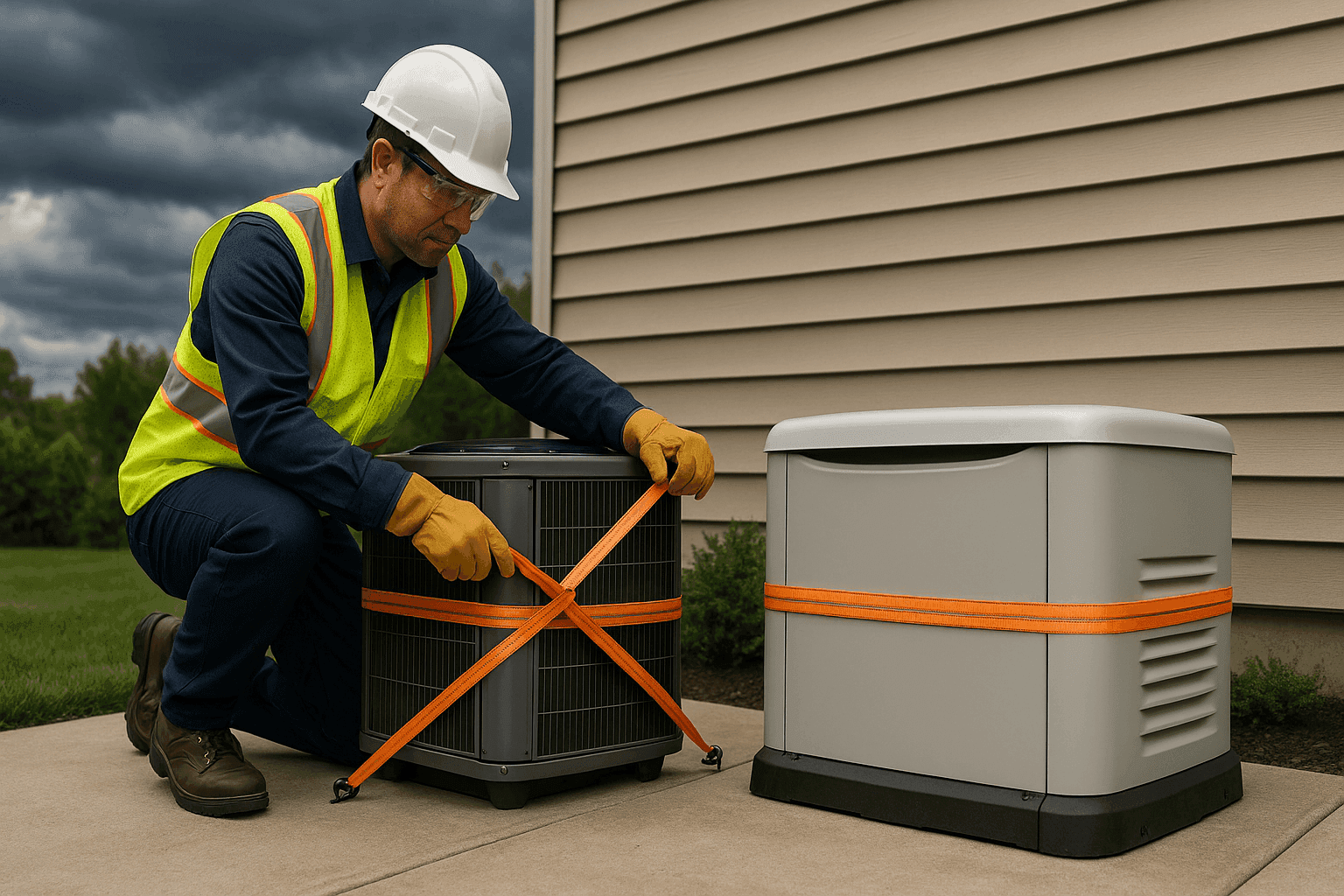
Storm season can turn your safe haven upside down in a flash. Rain pounds, trees fall, and the power flickers—suddenly, your HVAC feels like it's on the front lines. At Mavi HVAC, we've seen firsthand how weather can push your comfort systems to the limit.
You’ve invested in a reliable HVAC, maybe even a backup generator and indoor air quality upgrades. But storms don’t care. That’s why a quick plan, a little know-how, and the right support can be the difference between a peaceful recovery and a costly mess.
Why Storm Preparation Matters 🌧️
Think of your HVAC system like the heart of your home or business. When a storm rolls in, it’s not just rain and wind outside—it’s a direct hit to your comfort, safety, and even your indoor air quality.
Here’s why prepping matters:
- Flooding can submerge outdoor AC units and furnace components.
- Lightning strikes threaten sensitive electronic controls and thermostats.
- High winds send debris flying—clogging condensers, smashing vents, or blocking exhausts.
- Power outages leave you without heating or cooling when you need it most, putting extra strain on generators.
- Humidity spikes can lead to mold growth, especially if your dehumidifiers or air scrubbers are offline.
The National Fire Protection Association (NFPA) and the Department of Energy both warn about increased fire and electrical risks during storms. Taking action before the forecast turns ugly buys you peace of mind.
Steps to Protect HVAC and Generators
Storms don’t send invites. But you can be ready. Protecting your systems isn’t complicated—it’s about steady habits and a checklist you can trust.
Before the Storm Hits
- Secure outdoor units: Remove loose items (patio furniture, toys, tools) near your AC or generator.
- Cover critical equipment: Use manufacturer-approved covers for outdoor condensers. Never wrap in plastic or restrict airflow.
- Check sump pumps and drains: Clear debris so water flows away from HVAC and electrical systems.
- Test your generator: Run a quick cycle to ensure it starts smoothly. Schedule generator maintenance if you notice any issues.
- Shut down HVAC if flooding is likely: If your area floods, turn off the system at the breaker to avoid electrical shorts.
- Inspect surge protection: Make sure your HVAC and generator are connected to a working surge protector.
- Change or clean filters: Storms kick up dust and pollen—starting with a fresh filter helps air quality bounce back.
During the Storm
- Avoid using major equipment: If lightning is intense or flooding begins, keep your HVAC and generator powered down.
- Monitor for water ingress: Check basements, attics, and crawl spaces for leaks.
- Listen for alarms: Carbon monoxide and smoke detectors are your first line of defense.
After the Storm Passes
- Inspect outdoor units: Look for debris, standing water, or visible damage.
- Wait for the all-clear: Only restore power to HVAC and generator when you’re sure it’s safe.
- Check for unusual noises or smells: Turn off and call for help if you sense anything off.
- Schedule a post-storm AC maintenance visit for a thorough checkup.
- Change filters again: It’s a small cost that pays big returns for indoor air quality.
Emergency Response Tips 🚨
When the skies clear, it’s tempting to flip everything back on. But a little patience and a sharp eye can prevent much bigger problems.
If You Suspect Damage
- Turn off power at the breaker before inspecting any equipment.
- Do not touch wet or submerged units. Wait for a professional.
- Document everything: Photos help with insurance claims.
When to Call for 24-Hour Emergency Service
- Water has entered your furnace, AC, or electrical panel
- You smell gas or burning
- The generator fails to start during an outage
- No heating or cooling and the weather is dangerous (extreme heat or cold)
Visit our 24-hour emergency service page, or call us immediately.
Why Professional Inspections and Surge Protection Matter
DIY is great for changing filters and picking up sticks. But storms aren’t the time for guesswork.
Professional inspections:
- Reveal hidden damage (corroded wires, shorted boards, blocked exhausts)
- Check refrigerant lines for leaks after wind or hail
- Verify generator transfer switches and fuel lines are safe
Surge protection:
- Protects sensitive controls in modern HVAC units
- Prevents costly damage from power spikes (per National Electrical Code guidelines)
- Should be installed by a licensed technician
Actionable Checklists
Pre-Storm
- Clear yard debris and secure loose items
- Test generator and top off fuel
- Change HVAC and generator filters
- Confirm surge protectors are working
- Shut down systems if flooding is likely
During Storm
- Monitor for leaks, alarms, or odd smells
- Avoid using major appliances
- Stay safe indoors
Post-Storm
- Inspect units from a distance
- Restore power only when safe
- Listen for strange sounds
- Book a professional inspection
Minimizing Downtime and Costly Repairs
A little prep goes a long way. Neglecting storm prep often means:
- Longer waits for emergency repairs
- More expensive fixes (water-damaged components, fried circuit boards)
- Extended downtime—tough for both families and businesses
Routine maintenance, like our regular AC maintenance and generator checkups, shortens repair times and keeps costs predictable.
Frequently Asked Questions
Will my warranty cover storm damage?
Most warranties don’t cover flooding, lightning strikes, or power surge damage. Regular maintenance records can help with insurance claims.
Can I use a generic tarp to cover my AC?
Don’t. Use only covers designed for your unit. Improper covering can trap moisture and cause rust or mold.
How soon after a storm can I use my HVAC?
Wait until you’ve visually inspected the unit, ensured it’s dry, and checked for any obvious damage. When in doubt, call a professional.
Do I need a surge protector for every system?
It’s wise. HVAC, generators, and even smart thermostats benefit from surge protection. Ask your technician about whole-home units.
Local and Seasonal Considerations 🌪️
Storm risks change with the seasons. Spring brings heavy rains and flooding. Summer storms knock out power and spike humidity. Fall winds scatter leaves and debris into vents and fans. Winter ice can snap branches onto outdoor units.
Dehumidifiers and humidifiers near you can help balance indoor air quality after storms, especially in areas with high moisture or sudden dry spells.
Final Thoughts
Seasonal storms don’t have to mean disaster for your HVAC, generator, or indoor air quality. A little preparation, a checklist, and a trusted partner can keep your systems running smoothly—no matter what Mother Nature throws your way.
Call Mavi HVAC now — or reach us anytime at 844-448-3453 .