Signs Your HVAC System Needs Immediate Attention
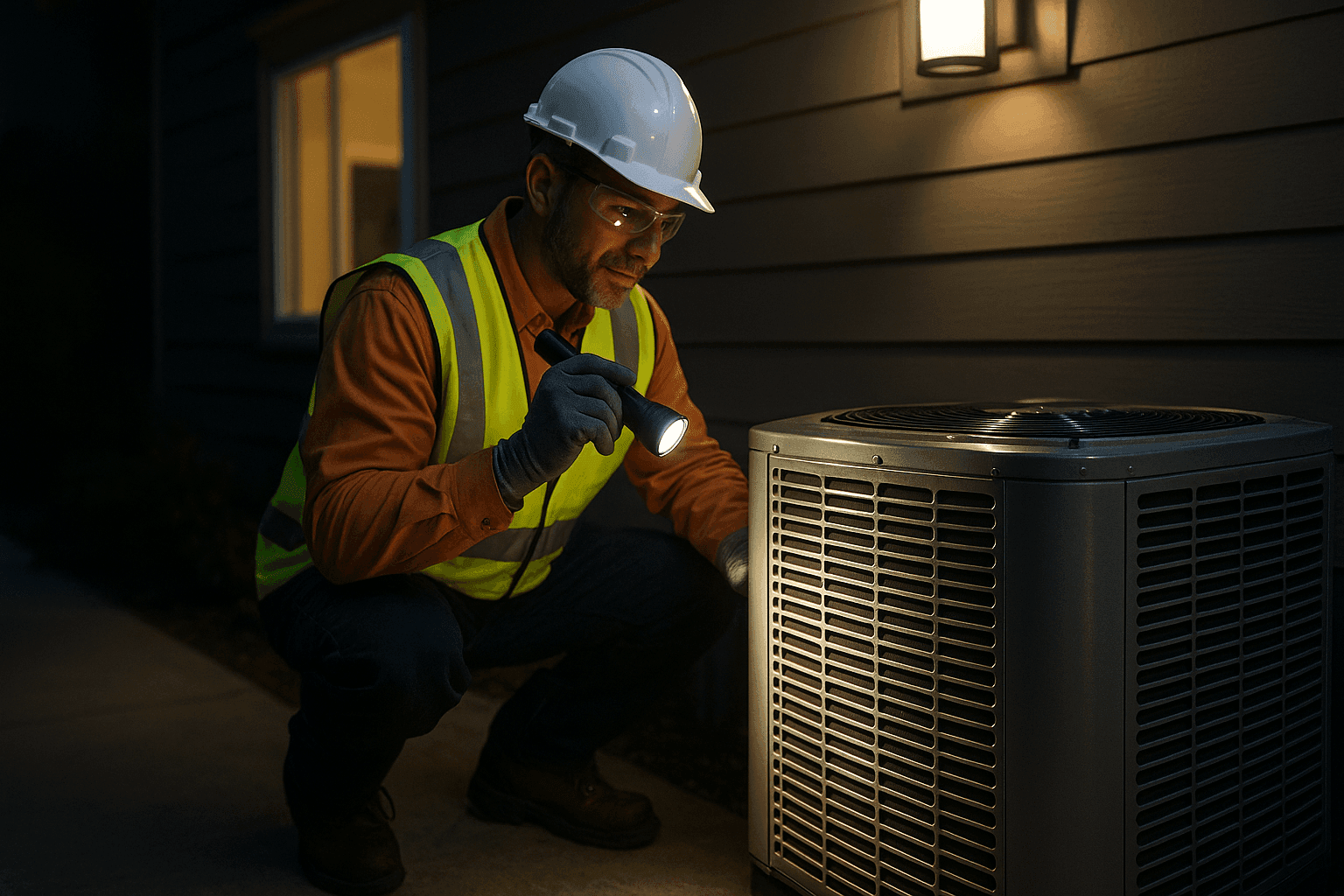
When your home or business starts feeling less comfortable, it’s easy to hope the problem fixes itself. But ignoring strange HVAC symptoms is like turning up your car radio to drown out a bad engine noise—you might miss a warning sign that needs urgent attention.
At Mavi HVAC, we help families and businesses spot the early signs of trouble. Acting fast keeps you safe, protects your investment, and can save you from bigger headaches down the road.
Top Signs of HVAC Trouble 🚨
Your HVAC system rarely fails without warning. Here’s what to listen, smell, and look for:
1. Unusual Noises
- Grinding, banging, or screeching: These aren’t just quirky quirks. They’re cries for help from moving parts, worn bearings, or loose components.
- Constant clicking or buzzing: Electrical issues can spark these sounds. Don’t ignore them—faulty relays or wiring can become fire hazards.
2. Strange Odors
- Burning or smoky smells: When your system smells hot, shut it off and call for help. This could mean an electrical short, overheating motor, or dust burning off an unused furnace.
- Musty or moldy air: That wet basement smell? It could be mold in your ducts or a sign you need Dehumidifiers near you.
- Rotten egg scent: If you smell this near a gas furnace, evacuate immediately and call emergency services. It’s a sign of a gas leak.
3. Poor Performance
- Weak airflow: When vents barely breathe, your system may have a clogged filter, failing blower motor, or blocked ductwork.
- Short cycling: If your furnace or AC turns on and off rapidly, it’s working too hard—or something’s broken.
- Sky-high energy bills: Sudden spikes often point to hidden HVAC issues draining efficiency.
4. Moisture or Leaks
- Water pooling near equipment: Leaking condensate lines, frozen coils, or blocked drains can cause water damage and mold.
5. Thermostat Problems
- Inaccurate readings or no response: If your thermostat isn’t talking to your system, you may lose comfort control entirely.
Immediate Steps to Take
Caught something off? Here’s what to do before help arrives:
- Turn off your HVAC system if you notice burning smells, electrical sounds, or visible smoke.
- Check your filters—dirty filters can choke airflow and cause overheating. For guidance, see our filters service page.
- Inspect your breaker panel. Tripped breakers could signal electrical trouble.
- Ventilate the area if you smell gas, and leave the building. Safety first.
- Avoid DIY fixes on electrical or gas components. These aren’t weekend projects—certified technicians are essential.
Why Fast Action Matters
Waiting to address HVAC problems is like ignoring a warning light on your dashboard. Minor issues can quickly morph into major breakdowns, leading to:
- Costlier repairs—small fixes escalate fast.
- Safety risks—fire, electrical hazards, and carbon monoxide leaks.
- Worsening air quality—mold, dust, and allergens thrive in poorly maintained systems.
- Lost comfort—sweltering summers and freezing winters aren’t just uncomfortable—they’re dangerous, especially for kids or elderly family members.
According to the National Fire Protection Association, heating equipment is a leading cause of home fires in the U.S. (NFPA Heating Safety Report, 2023). Quick action can save more than just money—it protects lives.
What To Do Right Now
If any of these warning signs sound familiar, don’t wait until your system fails completely. For urgent issues, Mavi HVAC offers 24-hour emergency service to keep your home or business safe, day or night.
Practical Prevention Tips
- Change filters every 1–3 months—dirty filters are the #1 cause of breakdowns.
- Schedule annual maintenance for both heating and cooling systems.
- Test your thermostat every season.
- Watch for leaks—a dry mechanical room is a healthy one.
- Get regular duct cleaning if you notice dust, allergies, or musty smells.
When It’s an Emergency
Some problems need same-day service:
- No heat in winter or no AC during a heat wave
- Gas, burning, or electrical smells
- Unexplained moisture around HVAC equipment
- Unresponsive system and breaker won’t reset
If you’re ever unsure, err on the side of caution. Safety codes, including International Residential Code (IRC) and National Electrical Code (NEC), require prompt attention to electrical and gas issues.
FAQ
How often should I replace my HVAC filters?
Most homes need filter changes every 1–3 months, but check monthly—especially if you have pets or allergies.
Can I run my HVAC if it’s making noise?
If you hear loud banging, screeching, or electrical buzzing, turn it off. Running it risks further damage or safety hazards.
Why does my system smell musty?
Mold or bacteria in your ducts, drain pans, or filters could be the culprit. Professional duct cleaning and Dehumidifiers near you help keep air fresh.
Is emergency HVAC repair expensive?
Costs depend on the problem, time of day, and parts needed. Emergency service may be higher after hours, but fast fixes can prevent major repairs later.
Local & Seasonal Considerations
- Summer: AC failures and heat waves can quickly turn dangerous. Stay alert for weak cooling and rising humidity.
- Winter: Furnace breakdowns risk frozen pipes and unsafe temperatures. Listen for changes in heat output and odd smells.
- Spring/Fall: Great times for preventive maintenance. Catch small issues before the seasons change.
Mavi HVAC is here for your home or business—rain, shine, heat, or cold.
Call Mavi HVAC now — or reach us anytime at 844-448-3453 .