The True Cost of AC Installation: What Homeowners and Businesses Should Budget
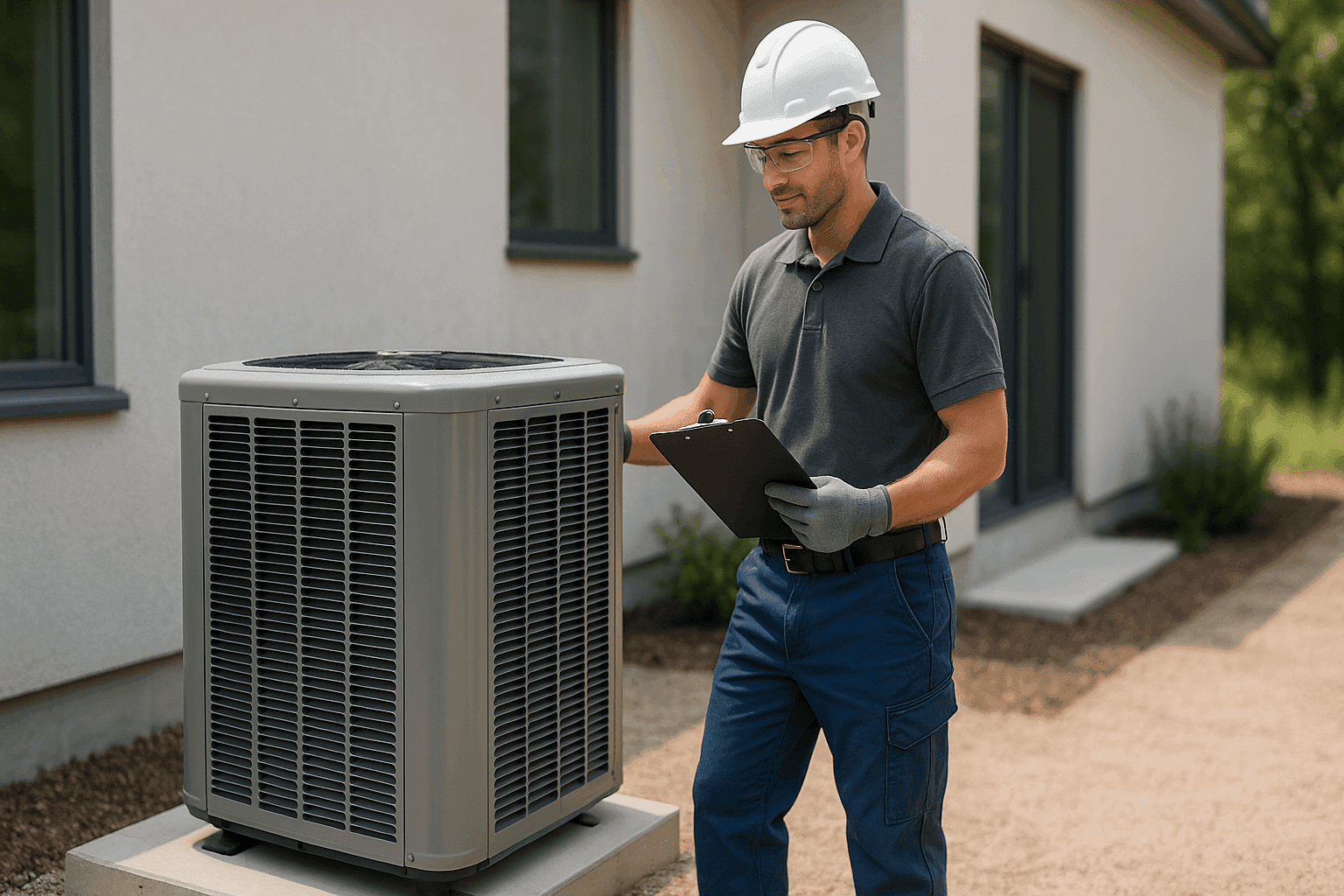
Sweaty afternoons. Sleepless nights. That first heatwave has a way of showing you just how much your home or business needs reliable air conditioning. But when it comes time to finally install—or replace—your AC, the price tag can feel like a mystery. Why does it cost so much? Where does your money really go?
At Mavi HVAC, we believe in straight talk and real answers. Let’s break down what you’re really paying for in an AC installation, what factors swing the price, and how to budget so there are no nasty surprises. Whether you’re a homeowner or running a business, a little knowledge now can save you a lot of sweat later.
AC Installation Cost Breakdown 🧾
Air conditioning isn’t just about the unit itself. It’s a layered process, with each step carrying its own cost. Here’s what usually makes up the final bill:
Equipment
- The AC system: Central air, ductless mini-splits, heat pumps—costs vary widely. High-efficiency models often cost more upfront but can save on utility bills.
- Thermostats: Smart thermostats or programmable models may come as an extra line item.
- Add-ons: Options like air scrubbers, dehumidifiers, or advanced filters improve indoor air quality but add to the total.
Labor
- Certified installation: Skilled technicians ensure your system is up to code and running safely. This isn’t just plugging something in—it’s careful, technical work.
- Removal of old equipment: Hauling away and disposing of outdated units takes time and muscle.
- Duct adjustments: Upgrading, sealing, or modifying existing ductwork may be required for optimal performance.
Site Preparation
- Electrical upgrades: Your panel might need a boost to handle the new system.
- Concrete pads or supports: Outdoor units need a stable, level base.
- Permits and inspections: Local codes often require both, and fees can add up.
Add-Ons & Upgrades
- Zoning systems: Control different rooms separately for better comfort.
- IAQ solutions: Air scrubbers, humidifiers, and dehumidifiers near you can be included for custom comfort.
Factors That Affect Price
Why do two houses—or two businesses—get wildly different AC installation quotes? It’s usually about these factors:
Size & Layout
A sprawling building needs a bigger unit. High ceilings, open floor plans, and sun exposure all matter. Undersizing leads to poor cooling, oversizing wastes energy.
Type of System
Central air, mini-splits, geothermal, or something else? Each has unique equipment and installation needs. For example, mini-splits are flexible for homes without ducts but require precise placement.
Ductwork Condition
No ducts? Old, leaky ducts? Duct cleaning, sealing, or total replacement can be a significant line item. According to the U.S. Department of Energy, leaky ducts can waste up to 30% of cooling energy.
Energy Efficiency
Higher SEER (Seasonal Energy Efficiency Ratio) units cost more upfront but can lower monthly bills for years to come.
Local Codes & Permits
Permitting costs vary by city and county, and code requirements can mean extra work—or peace of mind that everything’s safe and legal.
Labor & Timing
Rush jobs, after-hours installs, or peak-season demand may increase labor costs. Emergency installs or 24-hour service often come at a premium.
Tips for Accurate Budgeting 💡
No one likes sticker shock. Here’s how to budget for your AC installation with eyes wide open:
- Get a detailed, line-by-line quote. Don’t settle for “ballpark” numbers.
- Ask about warranties. Quality installations by certified professionals, like the team at Mavi HVAC, often come with manufacturer and labor warranties. These matter if something goes wrong.
- Prioritize code compliance. Cutting corners on permits or safety checks can cost more in the long run.
- Plan for maintenance. AC maintenance and filter changes are small costs that protect your investment.
- Factor in future add-ons. Want to add a dehumidifier or air scrubber later? Mention it upfront for proper system sizing.
The Value of Certified Installation
Think of your AC install like a car build. The fanciest engine won’t go far with loose bolts or missing parts. Certified HVAC installers bring:
- Safety: Following building codes protects your property and family.
- Warranty coverage: Most manufacturers require professional installation for the warranty to be valid.
- Efficiency: Proper sizing and setup save energy and money.
Frequently Asked Questions
How long does AC installation take?
Most residential installs take a day; commercial projects or jobs needing ductwork may take longer.
Can I install my own AC?
DIY is tempting, but AC installation involves refrigerant handling, electrical work, and code knowledge. It’s not just risky—it can void warranties.
Is a more expensive AC always better?
Not always. The right size and features for your space matter more than price alone.
What’s the lifespan of a new AC?
With regular maintenance, most modern systems last 12–20 years.
Local and Seasonal Considerations
In many regions, AC installers are busiest in late spring and early summer. If you wait for the first heatwave, you may face delays—or pay more. Schedule early if you can. Also, consider your area’s humidity, air quality, and local energy codes when planning your install.
Conclusion
AC installation is a big investment, but knowing where your money goes can help you budget smart and breathe easy. At Mavi HVAC, we know every detail matters—from choosing the right system to making sure it’s installed safe and sound.
Call Mavi HVAC now — or reach us anytime at 844-448-3453 .