Ventilation 101: How Proper Venting Improves Health and Comfort
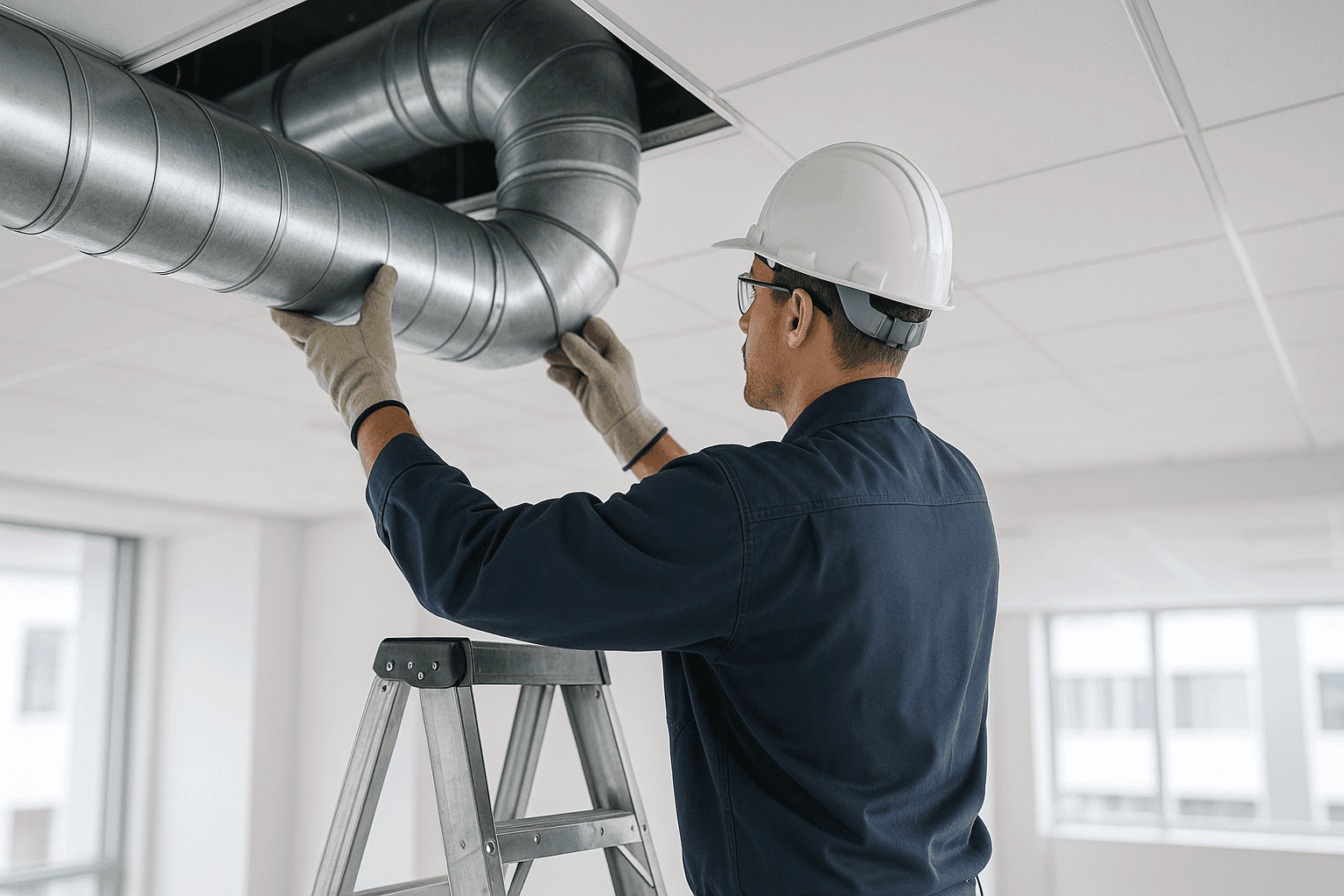
Ever feel like your air is heavy, stuffy, or just plain stale? You’re not alone. Poor ventilation can turn any home or business into a place where dust, moisture, and unseen pollutants linger. At Mavi HVAC, we know the air you breathe matters—whether it’s in your living room or the breakroom.
Proper venting isn’t just about comfort. It's about protecting your health and the spaces where you spend your time. Let’s break down why ventilation is so vital, what systems exist, and how you can tell when your building needs a breath of fresh air.
Why Ventilation Matters 🛑
Imagine your property as a pair of lungs. Without steady airflow, things get stagnant. Moisture builds up, odors hang in the air, and allergens multiply. The result? Breathing becomes more challenging, and comfort slips away.
The American Society of Heating, Refrigerating and Air-Conditioning Engineers (ASHRAE) and the EPA agree: proper ventilation is essential for reducing airborne contaminants, controlling moisture, and improving overall indoor air quality. This isn’t just about comfort—it’s about health. Poor ventilation has been linked to headaches, fatigue, asthma, and even long-term respiratory problems.
Ventilation Benefits at a Glance
- Reduces mold and mildew growth
- Clears out indoor pollutants and allergens
- Regulates humidity for better comfort
- Helps your HVAC system run more efficiently
- Keeps odors from settling in
Types of Ventilation Systems
The right system is like the perfect breeze—subtle, steady, and just what you need. Here are the main types you’ll find in homes and businesses:
Natural Ventilation
Think windows, doors, and vents. This method lets outdoor air sweep through your space, carrying out stale air. It’s energy-efficient, but it relies on weather and building design.
Mechanical Ventilation
Powered by fans and ducts, mechanical systems move air whether or not the wind is blowing. Examples include:
- Exhaust fans in kitchens or bathrooms
- Whole-house fans
- Heat Recovery Ventilators (HRVs) and Energy Recovery Ventilators (ERVs)
Balanced Ventilation
These systems bring in fresh air while exhausting stale air at the same rate. This approach keeps pressure even—and is especially important in airtight or modern buildings.
Spot Ventilation
Targeted solutions for specific areas, like range hoods, bathroom fans, or local exhaust systems. They tackle high-moisture or high-pollutant zones.
Want to take it further? Consider advanced options like air scrubbers, dehumidifiers, or air balancing to fine-tune your comfort.
Signs You Need Better Ventilation
How do you know your building is gasping for air? Watch for these warning signs:
- Lingering odors (cooking, cleaning, or musty smells)
- Foggy windows or condensation on glass
- Mold or mildew stains on walls or ceilings
- Persistent dust buildup, even after cleaning
- Family or staff experiencing more allergies or respiratory problems
- Feeling tired, groggy, or headache-prone indoors
- HVAC systems running constantly or unevenly
If you spot any of these, your property could benefit from improved ventallation and indoor air quality solutions.
Actionable Improvement Tips for Homes and Businesses
Whether you’re a homeowner or manage a commercial building, small changes make a big difference.
Simple Steps to Start
- Open windows regularly (weather permitting)
- Use exhaust fans when cooking or showering
- Change HVAC filters every 1–3 months
- Keep vents and registers clear of furniture and obstructions
Step Up Your Ventilation Game
- Schedule regular HVAC and duct maintenance
- Install a whole-house fan or energy recovery ventilator
- Consider dehumidifiers near you if excess moisture is a problem
- Upgrade to smart thermostats for better control
For Businesses
- Conduct routine indoor air quality testing
- Ensure ventilation meets local code and OSHA requirements
- Clean and inspect commercial hood and exhaust systems
- Balance airflows in large or multi-zone spaces
What the Pros Look For
Professional HVAC technicians do more than just peek at your filters. They:
- Measure airflow rates and pressure across vents
- Inspect ductwork for leaks or blockages
- Test humidity and pollutant levels
- Recommend solutions based on building codes (ASHRAE Standard 62.1/62.2)
- Evaluate the need for air scrubbers or advanced filtration
Their trained eyes spot what most miss—protecting your investment and your health.
Prevention & Maintenance
A well-ventilated building is low-maintenance, but not no-maintenance. Here’s how to keep things running smoothly:
- Replace filters on schedule (monthly for most systems)
- Clean exhaust fans and range hoods twice yearly
- Inspect attic and crawlspace vents for obstructions
- Book annual HVAC checkups, including duct cleaning and air balancing
- Check seals around windows and doors for air leaks
Regular care keeps the air fresh and extends the life of your equipment.
Costs & Time Factors
Ventilation fixes come in all sizes. Some take an afternoon; others are a bigger project.
- Filter changes: 10 minutes and minimal cost
- Exhaust fan upgrades: 1–2 hours, moderate cost
- Duct cleaning: Half a day, variable cost by size
- Air balancing or whole-house solutions: Varies—expect several hours to a full day
Remember, the cost of ignoring ventilation problems often shows up as higher energy bills or costly repairs down the road.
When It’s an Emergency
Some ventilation issues need urgent attention:
- Sudden, severe mold growth
- Carbon monoxide alarms going off
- Major water leaks affecting ducts or vents
- HVAC system failure during extreme weather
If you experience these, don’t wait. Call for 24 hour emergency HVAC service right away.
FAQ
How often should I have my ventilation system checked?
At least once a year for most systems. Commercial buildings or homes with allergy concerns may need more frequent inspections.
Can poor ventilation really make people sick?
Yes. The CDC and EPA note that inadequate airflow can lead to “sick building syndrome,” causing headaches, fatigue, and breathing issues.
What’s the fastest way to improve indoor air quality?
Open windows for cross-ventilation and run exhaust fans. For longer-term improvement, schedule a professional evaluation.
Are there codes or standards for ventilation?
Yes. ASHRAE Standard 62.1 (commercial) and 62.2 (residential) provide ventilation guidelines. Local codes may also apply—check with your HVAC professional.
Local and Seasonal Considerations
Climate plays a big part in ventilation needs. In humid areas, dehumidifiers and balanced systems fight mold. In dry climates, humidifiers and filtered fresh air are key. Seasonal pollen? Extra filtration helps keep sneezes at bay. Always adjust your system to the season and region.
Fresh air shouldn’t be a luxury. If you think your home or business might need a ventilation boost, don’t wait for problems to get worse—act today.
Call Mavi HVAC now — or reach us anytime at 844-448-3453 .