Whole-House Fans: Cooling, Ventilation, and Energy Savings Explained
Does your home feel stuffy even with the air conditioning running? Or maybe your business is facing high electricity bills just to keep things comfortable. You’re not alone. Many property owners are searching for a smarter way to keep cool, breathe better air, and lower those monthly energy costs.
At Mavi HVAC, we've seen how a whole-house fan can transform living and working spaces. Let’s break down what these fans do, how they stack up against air conditioning, and what you need to know before adding one to your building.
How Whole-House Fans Work
Picture this: it’s evening, the outside air has cooled, but inside your home it’s still holding onto the day’s heat. Instead of cranking the AC, a whole-house fan acts like a giant lung for your building—pulling in fresh, cooler air from outside, and pushing out the stale, hot air through attic vents.
Here’s how it happens:
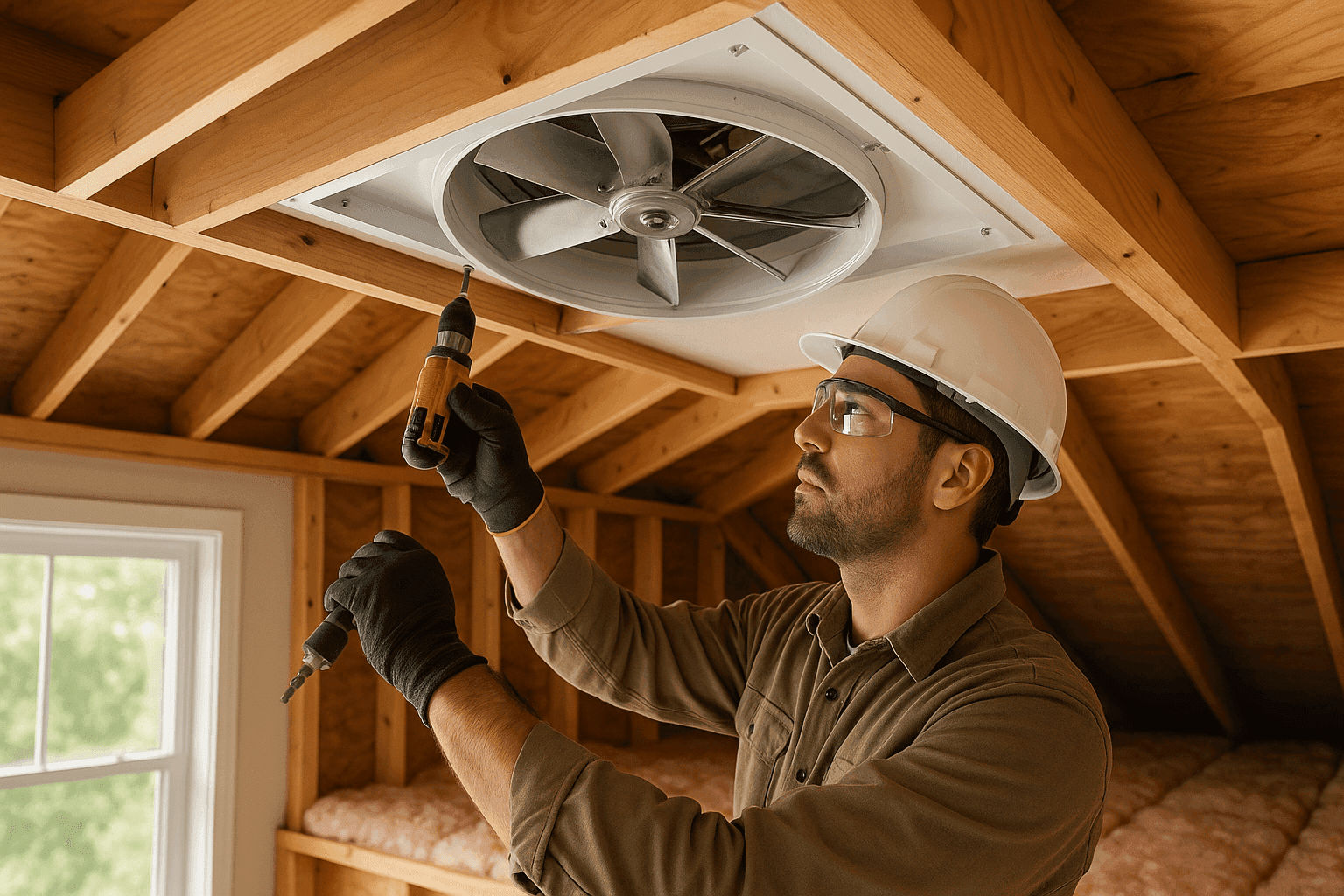
- The fan is installed in the ceiling, usually in a central hallway.
- When turned on, windows are opened throughout the house or office.
- The fan draws cool outdoor air in through the windows and pushes warm, trapped air up and out through attic vents.
The result? Fast relief and a complete air refresh—often in just minutes.
Whole-house fans work best when the outdoor temperature is lower than indoors. They’re not just about cooling, but also about improving air quality and ventilation. For families with allergies or businesses with high occupancy, that’s a real game-changer.
Benefits Compared to AC
Air conditioning is like a refrigerator for your home—powerful, but energy-hungry. Whole-house fans, on the other hand, are like opening every window at once, only much more effective.
Here’s why many homeowners and business managers consider making the switch:
- Significant Energy Savings: Whole-house fans use a fraction of the electricity that central AC systems demand. According to the U.S. Department of Energy, these fans can cut cooling costs by up to 90% in some climates.
- Improved Ventilation: They don’t just recirculate air—they replace it. That’s a huge boost for indoor air quality, especially when paired with our ventallation and air-balancing services.
- Fast Cooling: The breeze is immediate. On a mild evening, you’ll feel cooler in seconds, not hours.
- Quieter Operation: Modern whole-house fans are designed for low noise. Think of a gentle whoosh, not a roaring jet engine.
But, they’re not for every situation. When humidity is high or outdoor air is smoky or polluted, you’ll want to keep windows closed and stick to your AC system—or use a dehumidifier. (If you’re searching “Dehumidifiers near you,” Mavi HVAC can help.)
Installation and Care 🛠️
Installing a whole-house fan is more than just making a hole in the ceiling and plugging in a box. Safety, code compliance, and performance all matter.
Professional Installation Steps
- Assessment: We measure attic space, roof venting, and electrical load to ensure your home or business is a good fit.
- Sizing: Bigger isn’t always better. The fan must match your building’s size for proper air-balancing.
- Electrical and Structural Work: Professional installation ensures the fan is safely wired and doesn’t compromise your attic or ceiling.
- Sealing and Venting: Correct vent sizing is crucial. Insufficient vents can cause pressure problems and reduce effectiveness.
- Testing: Once installed, we test for air leaks, fan balance, and noise.
Tip: California Title 24 and the International Residential Code (IRC) offer clear guidelines on attic ventilation and electrical safety. Certified HVAC technicians keep your system up to code.
Routine Maintenance
- Clean the fan blades and housing every season.
- Check attic vents for blockages.
- Listen for unusual noises—a sign it’s time for service.
- Inspect wiring annually, especially in older homes.
Real-World Performance: Energy, Noise, and Ventilation
Let’s talk numbers for a second. A typical whole-house fan uses about 200–700 watts—about the same as a few light bulbs. Compare that to a central AC unit, which often pulls 2,000–5,000 watts. Over a hot summer, that adds up to real savings.
Noise levels are another plus. Older fans had a reputation for being loud. Not anymore. Today’s models, when professionally installed and maintained, run quietly. You’ll notice the breeze before you hear the fan.
Ventilation is where these fans shine. They provide a full air change in as little as 3–6 minutes for most homes. That means odors, heat, and even some airborne particles are swept away—leaving your space fresh.
Is a Whole-House Fan Right for You?
Whole-house fans work best in climates where evenings cool down. If your area sees hot, humid nights or lots of outdoor air pollution, you may need a different solution or a hybrid setup with AC and a dehumidifier.
Commercial spaces like shops, offices, or gyms can benefit too, especially when paired with smart controls and regular air-balancing.
What to Expect During Installation
- Assessment and Quote: We’ll look at your attic, vents, and electrical panel.
- Installation Day: Most jobs finish in half a day. Larger or older buildings may take longer.
- Testing and Walkthrough: We show you how to use and maintain your new fan.
Practical Tips for Owners
- Run your fan during cooler parts of the day—usually early morning or late evening.
- Open windows in rooms where you want the most airflow.
- Close windows if outdoor air is smoky, dusty, or humid.
- Don’t forget attic insulation—this helps keep heat out during the day.
Frequently Asked Questions
Will a whole-house fan replace my air conditioner?
Not entirely. On cooler days and nights, it can. During extreme heat or humidity, you’ll want both options.
Is it safe to install in an older home?
Yes, with professional assessment. Older homes may need upgraded wiring or additional attic vents.
Does it affect indoor air quality?
Positively, as long as outdoor air is clean. Whole-house fans quickly remove stale, polluted, or stuffy indoor air.
How often should I service my fan?
At least once a year—ideally before cooling season starts.
Seasonal and Local Considerations 🌤️
If you live in a region with cool evenings and dry summers, you’ll get the most from a whole-house fan. In more humid climates, consider pairing your system with a dehumidifier or using it alongside your central HVAC system.
Local building codes may require specific vent sizes or electrical protections. Our team at Mavi HVAC always installs in line with the latest codes and manufacturer recommendations.
Thinking about a whole-house fan? Want to know if it’s a smart addition for your home or business? Call Mavi HVAC now — or reach us anytime at 844-448-3453 .