Winterizing Your HVAC System: Essential Steps for Cold Weather
When winter barrels in, your hvac system becomes the unsung hero of comfort—and safety. Frosty nights shouldn’t mean frozen pipes, surprise breakdowns, or scrambling for "Dehumidifiers near you" at midnight.
At Mavi HVAC, we help homes and businesses get ready for whatever winter throws at them. Here’s how you can winterize your hvac system—using steps that meet professional standards and keep your warranties intact.
Why Winterize Your HVAC? 🧊
A hvac system is like a shield against winter’s chill. But every shield needs upkeep.
- Frozen coils can crack, burst, or flood your space.
- Neglected filters clog up, making your system work harder (and costing you more).
- Poorly maintained heating equipment risks carbon monoxide leaks—a silent and deadly threat.
Manufacturers and safety codes (ASHRAE, EPA, and local building guidelines) recommend regular seasonal maintenance. In fact, skipping winterization can void warranties you rely on.
Your comfort is on the line, but so is your investment.
Winterization Checklist
Think of this list as your hvac’s winter coat. Some tasks you can handle yourself. Others are best left to professionals.
For Homes
- Change or clean all filters. Dirty filters choke airflow—check monthly.
- Inspect and clear outdoor vents, AC units, and exhausts of debris, ice, or snow.
- Test your thermostat. Is it reading room temperature accurately?
- Seal windows, doors, and visible duct gaps to stop precious heat escaping.
- Switch ceiling fans to run clockwise—pushing warm air down.
- Cover outdoor AC condensers, but never wrap them too tightly (trapped moisture is trouble).
- If you use a humidifier or dehumidifier, set optimal levels (30–50% humidity).
For Businesses
- Schedule a professional hvac maintenance inspection before peak cold hits.
- Ask for an air balancing check to ensure even heating across large spaces.
- Review building automation or smart thermostat schedules.
- Change commercial-grade filters and check make-up air units.
- Inspect exhaust hoods, kitchen fans, and rooftop units; clear all snow and ice.
- Ensure emergency power generators and heating backups are operational.
Emergency Freeze Prevention 🚨
Extreme cold can strike fast. One bitter night can freeze pipes or crack heat exchangers. Reduce risk with these proactive steps:
- Let faucets drip overnight in cold snaps (keeps water moving).
- Open cabinet doors under sinks to share warm air with pipes.
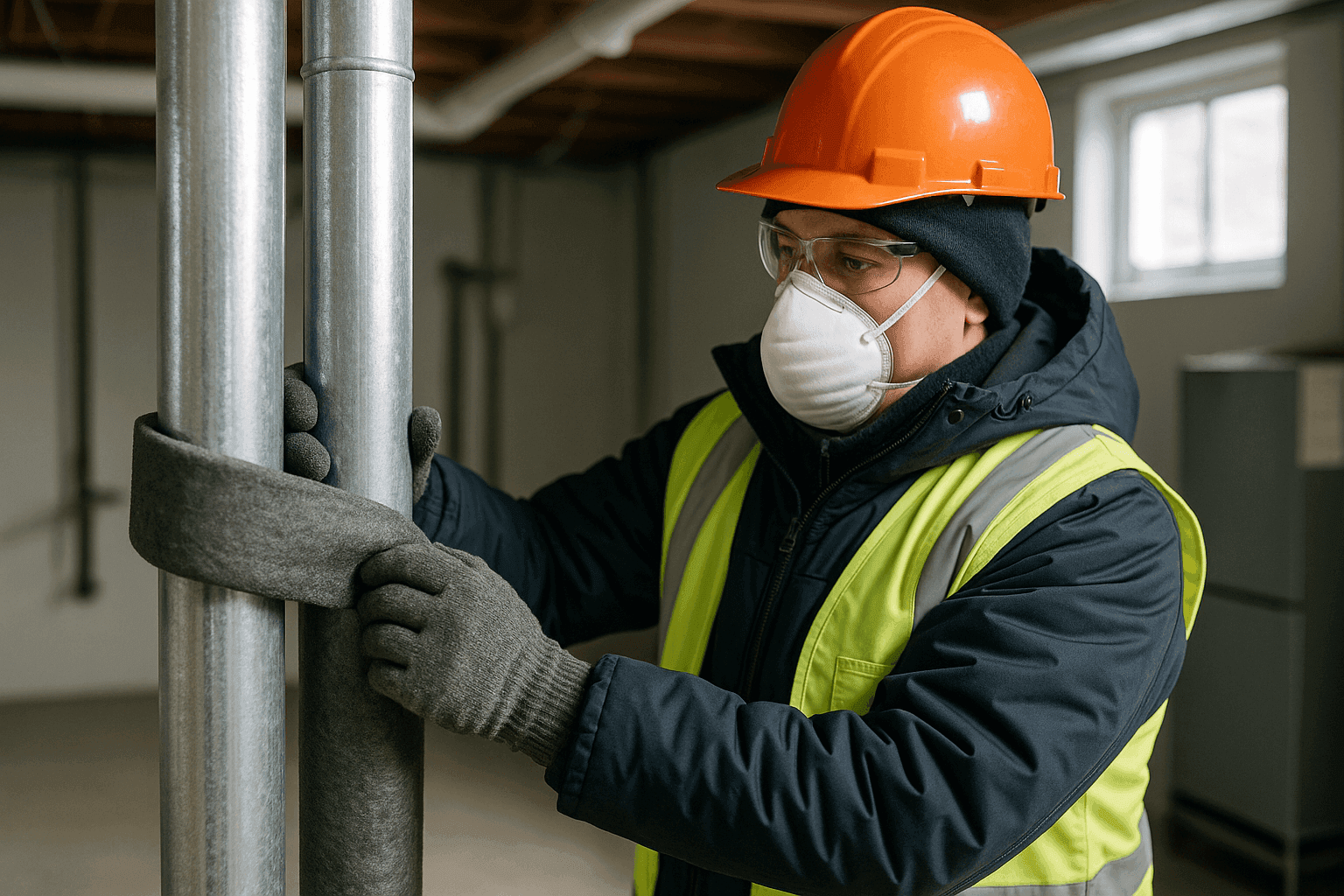
- Insulate exposed ductwork and water lines in unheated areas.
- Install freeze sensors or smart thermostats with low-temp alerts.
- For critical spaces (like server rooms), ask about mini-splits or radiant heating for redundancy.
If your system stops or you smell gas, evacuate and call professionals immediately. Safety first.
Filters: The First Line of Defense
Don’t underestimate a clean filter. It’s the gatekeeper for your entire hvac system. A clogged filter is like trying to jog with a sock over your mouth—not fun, and not effective.
- Residential: Change or clean every 1–3 months.
- Commercial: Check more frequently, especially in high-traffic or dusty areas.
See our filters service page for more on filter types and maintenance tips.
Heating Maintenance: Protecting What Matters
Routine heating maintenance is more than just a tune-up—it’s about catching small problems before they become frozen disasters.
- Inspect heat exchangers for cracks or rust.
- Test all safety controls and carbon monoxide detectors.
- Lubricate moving parts and tighten electrical connections.
- Clean burners, pilot assemblies, and ignition systems.
Professional maintenance supports your warranty and keeps your system running efficiently.
Professional Standards & Warranty Requirements
Most major manufacturers (like Trane, Carrier, Lennox) require documented seasonal maintenance for warranty coverage. Follow guidelines from:
- ASHRAE (American Society of Heating, Refrigerating and Air-Conditioning Engineers)
- EPA (Environmental Protection Agency)
- Local building code authorities
Keep records of all visits, filter changes, and repairs.
Practical Tips for Every Property
- Listen: Strange noises? Don’t ignore them. Rattles, bangs, or persistent cycling can signal trouble.
- Look: Watch for water pooling, ice buildup, or scorched wiring.
- Smell: A burning odor or rotten egg smell? Shut down and call for help right away.
- Plan: Schedule annual maintenance in early fall. Emergency appointments spike after the first freeze.
When to Call Mavi HVAC
DIY can only go so far. Call us if:
- Your system won’t start or keeps shutting off.
- Airflow is weak, noisy, or smells odd.
- You see water leaks, ice, or frequent filter clogs.
- Your energy bills suddenly spike.
- You want to make sure your system is up to code.
Emergency Freeze Prevention
Be ready for the worst. Our 24-hour emergency service means help is always near, but prevention is the best defense. Install backup generators and keep critical areas heated.
Frequently Asked Questions
How often should I replace my furnace filter in winter?
Most homes: every 1–3 months. Businesses: check monthly or more often if conditions are dusty or high-traffic.
Do I really need professional hvac maintenance every year?
Yes. It’s recommended by manufacturers and required by most warranties. A pro can spot issues you can’t see.
What’s the best humidity level for winter?
Aim for 30–50%. Too dry and you get static shocks; too damp and you risk mold or window condensation.
Is it safe to cover my outdoor AC unit?
Yes, but only with a breathable cover—never with plastic or anything airtight.
Local and Seasonal Considerations
Whether you’re in a drafty old house or a sprawling office park, winter hits hard. Have your system checked before the coldest months. If you use whole-house fans, make sure they’re sealed and off until spring.
Remember, every property is unique. Building codes and climate can affect your needs. If you’re not sure what your hvac system requires, ask Mavi HVAC for personalized advice.
No one wants a surprise breakdown when the mercury drops. Winterizing your hvac system is a smart, practical way to protect your comfort and investment—at home or at work.
Call Mavi HVAC now — or reach us anytime at 844-448-3453 .